
Category Archives: Blog

Signs Your Roof Needs Immediate Replacement

Your roof rarely fails overnight. In most cases, it gives clear warnings long before major damage happens. The problem is that many homeowners ignore these signals until water leaks, mold growth, or structural issues become impossible to avoid. Understanding the signs you need roof replacement can help you act early, protect your property, and avoid far more expensive repairs later.

At Home Makeover Pro, one of the most common situations we see is homeowners spending money on repeated repairs when the roof has already reached the end of its lifespan. A few missing shingles or a small leak may not seem urgent, but underlying damage can spread quickly beneath the surface.

This guide explains the most important roof damage warning signs, what causes them, and how to determine whether repairs are enough or if a full replacement is the smarter long-term investment. You’ll also find practical roof inspection tips, expert insights, and common mistakes homeowners should avoid.

Why Roof Problems Should Never Be Ignored

A roof does much more than keep rain out. It protects insulation, ceilings, electrical systems, framing, and even indoor air quality. Once roofing materials begin to fail, moisture can enter hidden areas of the home and create damage that is difficult and expensive to repair.

Many homeowners delay action because the roof still “looks okay” from the ground. However, roofing systems often deteriorate internally before exterior problems become obvious.

Common causes of roof deterioration include:

  • Age-related wear
  • Harsh weather exposure
  • Poor attic ventilation
  • Improper installation
  • Moisture retention
  • Repeated repairs over time
  • Severe storm events

Recognizing early roof damage warning signs gives homeowners more control over costs and prevents emergency situations.

Roof Aging – When Your Roof Has Reached the End of Its Life

One of the clearest signs you need roof replacement is simple roof aging. Every roofing material has a lifespan, and once that lifespan is exceeded, the system becomes increasingly unreliable.

Typical Roof Lifespans

  • Asphalt shingles: 20–30 years
  • Architectural shingles: 25–35 years
  • Metal roofing: 40–70 years
  • Clay tiles: 50+ years
  • Wood shakes: 20–40 years

Even if your roof appears intact, aging materials lose their waterproofing ability over time.

Warning Signs of Roof Aging

Curling or Buckling Shingles

When shingles begin curling at the edges or buckling in the middle, it often means prolonged moisture exposure and heat damage have weakened them.

Granule Loss

If you notice large amounts of granules in gutters or downspouts, your shingles are deteriorating. Granules protect against UV rays, and once they wear away, shingles age rapidly.

Faded or Uneven Appearance

Uneven coloration may indicate sections of the roof are aging at different rates, especially if past repairs were done inconsistently.

Frequent Repairs

A roof needing repeated patchwork is often no longer cost-effective to maintain.

Sagging Areas

Sagging may indicate trapped moisture or structural weakening underneath the roofing system.

Experienced contractors often recommend replacement instead of repair once a roof enters its final years because repairs become temporary solutions rather than long-term fixes.

Leaking Roof Problems That Signal Serious Damage

A leaking roof is one of the most obvious and urgent signs of roofing failure. Unfortunately, leaks are often misunderstood. By the time water appears inside your home, the damage may already be extensive beneath the roofing layers.

Common Signs of Roof Leaks

  • Water stains on ceilings
  • Damp attic insulation
  • Mold or mildew smell
  • Bubbling paint
  • Peeling drywall
  • Dripping during rainfall
  • Warped ceilings

Hidden Damage Caused by Leaks

Many homeowners only focus on visible water stains. However, roof leaks can also cause:

  • Wood rot
  • Electrical hazards
  • Insulation damage
  • Mold growth
  • Structural weakening
  • Increased energy bills

Real-World Example

A homeowner noticed a small ceiling stain near a hallway light fixture and assumed it was minor condensation. Months later, a professional inspection revealed rotted roof decking across a large section of the home caused by slow water intrusion.

This is why early detection matters.

Practical Roof Inspection Tips for Leaks

Here are several useful roof inspection tips homeowners can follow safely:

  • Check attic spaces after heavy rain
  • Look for sunlight entering through roof boards
  • Inspect ceilings for discoloration
  • Examine insulation for dampness
  • Monitor musty odors indoors
  • Check around chimneys and vents

Even a small leak deserves professional evaluation because moisture spreads far beyond the visible entry point.

Missing Shingles and Surface Damage

Why Missing Shingles Matter

Missing shingles expose the underlayment and roof decking directly to rain, sunlight, and wind. Even one missing section can allow water penetration during storms.

Shingles may detach because of:

  • Strong winds
  • Aging adhesive strips
  • Improper installation
  • Storm damage
  • Impact from debris

How to Spot Shingle Damage

Cracked Shingles

Temperature fluctuations can cause shingles to crack over time.

Lifted Shingles

Shingles that no longer lie flat are vulnerable to wind uplift and water intrusion.

Bare Patches

Visible dark patches often indicate missing protective granules.

Uneven Roof Lines

Sections of uneven roofing may signal hidden structural deterioration.

When Repairs Are No Longer Enough

If damage is isolated to one small area, repairs may work. However, widespread shingle failure across multiple sections usually indicates systemic roof deterioration.

Many older roofs also suffer from discontinued shingle styles, making matching repairs difficult and visually inconsistent.

Storm Damage Can Destroy Roofing Faster Than You Think

Severe storm damage is one of the leading causes of sudden roof replacement needs.

Even if the roof appears intact immediately after a storm, hidden damage can weaken materials significantly.

Types of Storm Damage

Wind Damage

Strong winds can loosen shingles, lift flashing, and expose vulnerable roof layers.

Hail Damage

Hail impacts create bruising that weakens shingles and shortens roof lifespan.

Heavy Rain Damage

Persistent moisture can infiltrate compromised areas.

Fallen Debris

Tree branches and debris can puncture roofing materials and decking.

Roof Damage Warning Signs After a Storm

  • Loose shingles in the yard
  • Dented flashing or vents
  • Granules accumulating in gutters
  • Water spots indoors
  • Visible punctures
  • Sagging roof sections

Important Roof Inspection Tips After Storms

After severe weather:

  • Inspect the property from the ground
  • Photograph visible damage
  • Check attic spaces for moisture
  • Schedule a professional inspection quickly
  • Avoid walking on damaged roofs

Storm damage often worsens if left untreated because compromised materials continue deteriorating with each rainfall.

Structural Problems That Mean Immediate Roof Replacement

Some roofing issues are cosmetic. Others indicate serious structural concerns requiring urgent action.

Sagging Rooflines

A sagging roof often points to:

  • Water-damaged decking
  • Compromised rafters
  • Excessive moisture retention
  • Structural instability

This is one of the most serious signs you need roof replacement.

Rotting Roof Deck

Roof decking weakens when exposed to long-term moisture. Soft or spongy areas may indicate internal decay.

Daylight Through Roof Boards

If sunlight enters attic spaces through roof boards, water can enter as well.

Excessive Moss Growth

Moss traps moisture against roofing materials and accelerates deterioration.

Mold and Indoor Moisture Issues

Persistent roof leaks can create unhealthy indoor environments and affect air quality.

Energy Bill Increases Linked to Roof Failure

Many homeowners never connect rising energy costs to roof deterioration.

Damaged roofing systems often allow:

  • Heat loss during winter
  • Excess heat infiltration during summer
  • Poor attic ventilation
  • Moisture buildup affecting insulation performance

If your HVAC system struggles to maintain indoor comfort, the roof may be contributing to the problem.

Older roofs with failing ventilation systems can dramatically reduce energy efficiency.

Common Mistakes Homeowners Make With Roof Problems

Understanding what not to do is just as important as recognizing roof damage warning signs.

Ignoring Minor Leaks

Small leaks often become major structural problems.

Delaying Inspections

Waiting too long allows hidden damage to spread.

Choosing Cheap Temporary Repairs

Low-cost patch jobs may only delay necessary replacement.

Walking on the Roof Without Experience

Improper foot traffic can worsen damage and create safety hazards.

Focusing Only on Exterior Appearance

A roof can look acceptable from the street while serious deterioration exists underneath.

Expert Roof Inspection Tips From Industry Professionals

Routine inspections help homeowners identify roofing issues before emergencies develop.

Seasonal Roof Inspection Tips

Spring

  • Check for winter storm damage
  • Inspect gutters
  • Look for loose shingles

Summer

  • Monitor attic heat buildup
  • Inspect flashing around vents

Fall

  • Remove leaves and debris
  • Check drainage systems

Winter

  • Watch for ice dam formation
  • Monitor interior moisture

Professional Inspection Checklist

Roofing professionals typically evaluate:

  • Shingle condition
  • Flashing integrity
  • Ventilation systems
  • Roof decking
  • Chimney seals
  • Drainage performance
  • Structural stability

Routine inspections can extend roof lifespan and help homeowners budget for future replacement.

How to Know When Replacement Is Better Than Repair

Many homeowners ask the same question:
“Can this roof still be repaired?”

The answer depends on several factors.

Replacement Is Often Better When:

  • The roof is near the end of its lifespan
  • Damage affects multiple sections
  • Leaks keep returning
  • Structural issues exist
  • Repairs become frequent
  • Storm damage is widespread

Repeated repairs on an aging roof often cost more over time than a properly installed replacement system.

A full replacement also improves:

  • Energy efficiency
  • Home value
  • Weather protection
  • Curb appeal
  • Long-term peace of mind

Choosing the Right Time for Roof Replacement

Timing matters when planning roof replacement.

Best Times for Roofing Projects

  • Mild spring weather
  • Early fall conditions
  • Dry seasonal periods

Emergency replacement may still be necessary after severe damage regardless of season.

Signs You Should Act Immediately

Do not delay replacement if you notice:

  • Active water intrusion
  • Structural sagging
  • Extensive storm damage
  • Large missing roof sections
  • Persistent mold growth

Fast action can prevent secondary interior damage.

Conclusion

Your roof protects everything beneath it, yet many homeowners overlook serious warning signs until major problems develop. Recognizing the early signs you need roof replacement can help prevent structural damage, costly repairs, and ongoing water intrusion.

From roof aging and missing shingles to severe storm damage and a persistent leaking roof, every warning sign deserves careful attention. The longer roofing issues remain unresolved, the more expensive and disruptive they become.

Following practical roof inspection tips and scheduling professional evaluations regularly can help homeowners make informed decisions before emergencies occur.

At Home Makeover Pro, we always encourage homeowners to think long-term. A properly installed replacement roof not only protects your property but also improves comfort, efficiency, and overall peace of mind for years to come.

FAQs

How do I know if my roof needs replacement?

If your roof has leaks, missing shingles, sagging areas, or is over 20 years old, it may need replacement. Frequent repairs are also a major warning sign.

Can a leaking roof be repaired?

Small leaks can sometimes be repaired. But if leaks keep returning or water damage is widespread, replacing the roof is often the better long-term solution.

What are common roof damage warning signs?

Common signs include cracked shingles, water stains on ceilings, granules in gutters, mold growth, and visible storm damage.

How often should I inspect my roof?

Homeowners should inspect their roof at least once a year and after major storms to catch problems early and avoid costly repairs.

Does storm damage always require roof replacement?

Not always. Minor storm damage may only need repairs. However, severe wind, hail, or water damage can weaken the entire roof system and require replacement.

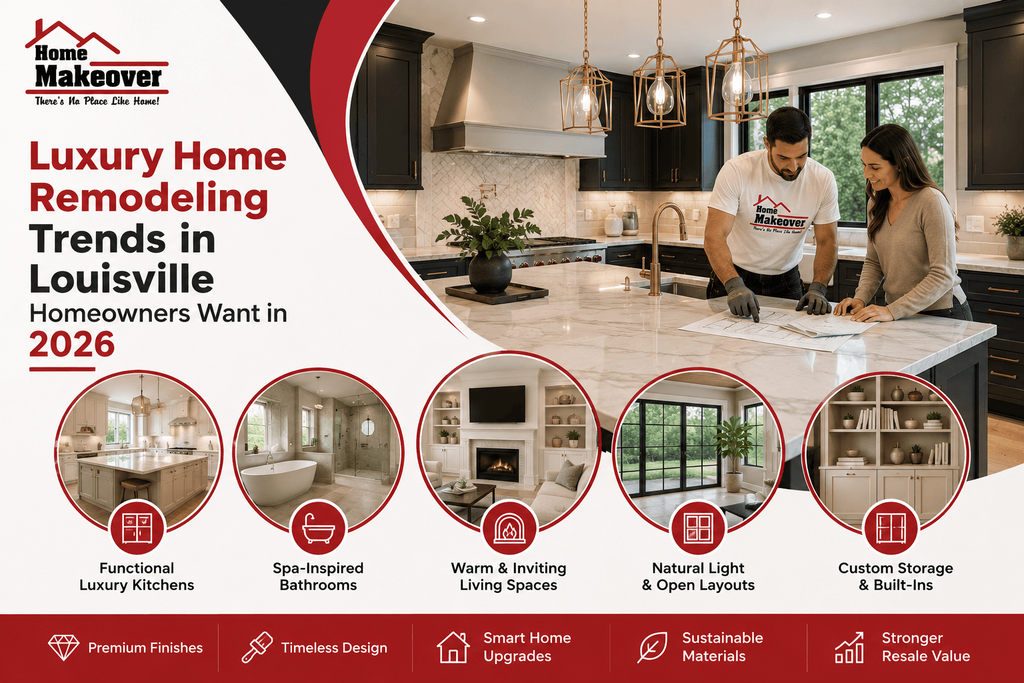
How Much Does Home Remodeling Cost in Louisville in 2026?

Planning a home remodel in 2026? One of the first questions homeowners ask is simple: how much will it actually cost? The reality is, home remodeling cost in Louisville can vary widely depending on the scope, materials, and planning approach.

Surprises often come from choices set months ahead of any building work starting. It is not mystery prices that trip people up – rather, it is how many moving parts hide inside each decision. What seems small at first can shift the whole budget sideways.

Nowadays, renovation costs respond strongly to inflation, access to materials, or workforce shortages. Comfort matters more to homeowners, so do practical layouts along with lower energy use – leading many to adjust their original project size.

This guide breaks down real-world costs, practical insights, and what to expect when budgeting for a remodel. With experience-driven input from professionals like Home Makeover, you’ll get a clearer picture of how to plan effectively and avoid costly surprises.

Understanding Home Remodeling Costs in Louisville

The home renovation cost in Louisville depends on several key factors, including project size, complexity, and material choices.

Average Cost Ranges (2026 Estimate)

While every project is unique, typical ranges include:

  • Minor renovations: $15,000 – $40,000
  • Mid-range remodels: $40,000 – $100,000
  • Major renovations: $100,000 – $300,000+

Right now, what workers cost, what supplies run, and how much people want things shape these numbers in Louisville. Not every city moves like this one does – here it sticks close to those three pieces. Most people fixing up homes usually land right in the middle – tackling several updates at once, simply because it makes sense when you want results without paying crews twice.

One thing shaping remodel prices in 2026 is how smoothly materials move through supply lines – when delays hit, costs shift. Contractor schedules matter too, since their workload changes with seasonal demand peaks and dips.

Remodel Cost Breakdown by Project Type

Kitchen Remodeling

Kitchen renovations are among the most popular—and expensive.

Typical costs:

  • Basic update: $20,000 – $40,000
  • Mid-range remodel: $40,000 – $80,000
  • High-end renovation: $80,000+

Costs increase with custom cabinetry, premium appliances, and layout changes.

In real-world scenarios, shifting a sink slightly – or sticking in an island – ramps up expenses fast, thanks to hidden changes needed for water lines and wiring. Costs climb not just from materials, but from the work behind walls too.

Bathroom Renovation

Bathrooms offer strong return on investment but vary based on size and finishes.

Typical costs:

  • Small bathroom: $10,000 – $25,000
  • Mid-range: $25,000 – $50,000
  • Luxury remodel: $50,000+

Upgrades such as walk-in showers, custom vanities, and high-end fixtures can quickly push costs higher, especially when waterproofing and tiling complexity increase.

Whole-Home Renovation

A full remodel significantly increases the house remodel budget in Louisville.

Typical costs:

  • $100,000 to $300,000+

This includes structural changes, electrical upgrades, and complete interior transformations.

Home Makeover often recommends phased remodeling for homeowners looking to manage large-scale costs more efficiently while maintaining quality across all areas.

Key Factors That Affect Renovation Pricing

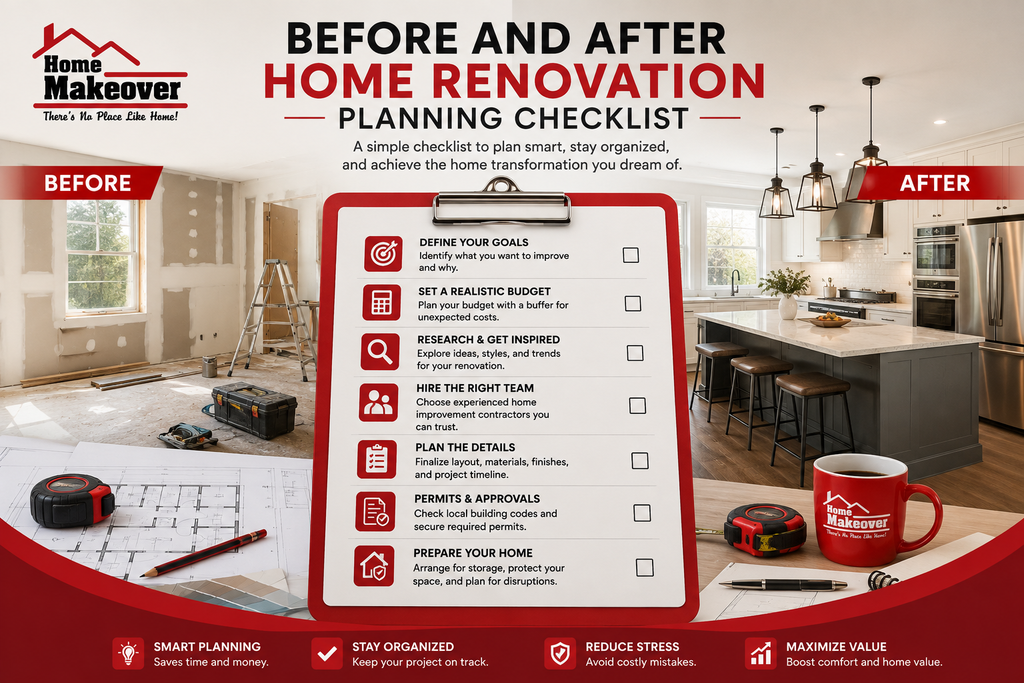
Renovation Planning

Proper renovation planning is one of the biggest cost influencers.

Poor planning often leads to:

  • Budget overruns
  • Project delays
  • Design inconsistencies

Projects that begin with clear timelines, defined scopes, and realistic expectations tend to run smoother and avoid costly mid-project changes.

Material Selection

Material choices significantly impact renovation pricing.

Examples:

  • Standard vs premium flooring
  • Stock vs custom cabinetry
  • Basic vs designer fixtures

A small upgrade in materials can increase costs by 20–40%, especially when multiplied across an entire home.

Labor and Contractor Quote

Labor is a major component of any contractor quote.

Costs depend on:

  • Project complexity
  • Contractor expertise
  • Timeline requirements

Working with experienced professionals like Home Makeover ensures transparency in quotes and reduces unexpected expenses caused by incomplete or unclear pricing.

Structural Changes

Altering room configurations, like shifting pipes or knocking down partitions, often leads to much higher expenses.

These modifications require:

  • Engineering assessments
  • Permits
  • Additional labor

From experience, structural changes are one of the most underestimated cost drivers in remodeling projects.

Remodel Estimate — What Homeowners Often Miss

Looking at a remodel quote, most people pay attention to what they can see right away.

However, hidden expenses often include:

  • Permit fees
  • Waste removal
  • Temporary living arrangements
  • Design revisions
  • Utility upgrades

Midway through a project, pressure on finances usually appears when forecasts overlook hidden expenses. Factoring in known and unforeseen charges creates a more grounded projection.

Home Makeover emphasises detailed estimates to help clients avoid budget surprises during construction.

Real-World Scenario — Budget vs Reality

A person living in Louisville decided to update their kitchen. The project was expected to cost $50,000.

Initial plan included:

  • Cabinet replacement
  • New countertops
  • Updated flooring

What changed:

  • Electrical upgrades were required
  • Plumbing needed relocation
  • Material choices were upgraded

Final cost: ~$75,000

Often, things unfold this way. Even minor adjustments mid-project tend to shift the total renovation expense – particularly if several enhancements arrive at once.

Practical Tips to Manage Your Remodeling Budget

Set a Realistic Budget

Avoid underestimating costs. Always include a contingency buffer of 10–20% to handle unexpected changes.

Prioritise High-Impact Areas

Focus on spaces that provide the most value, such as kitchens and bathrooms, before expanding to other areas.

Get Detailed Contractor Quotes

Compare multiple quotes and ensure they include all cost components, timelines, and potential variations.

Avoid Last-Minute Changes

Midway design shifts pile on expenses, sometimes stalling timelines. A single tweak mid-build can ripple through schedules, slowing everything down.

Plan in Phases

When funds are tight, breaking the work into phases helps keep costs in check.

Home Makeover often guides homeowners through phased remodeling strategies to maintain financial flexibility and reduce stress.

Common Mistakes Homeowners Make

Underestimating the Budget

Later on, money gets tight when plans stay vague because most people skip careful preparation at home.

Choosing Based Only on Price

Low-cost contractors may lead to higher long-term expenses due to poor workmanship and rework.

Ignoring Permit Requirements

Skipping permits can result in legal issues, fines, and costly corrections in the future.

Over-Customising

Custom-built layouts often raise expenses while making building more difficult, even when simpler options would work just fine.

Expert Advice — How to Control Remodeling Costs

From industry experience, professionals consistently recommend:

  • Plan every detail before starting
  • Choose materials wisely
  • Work with experienced contractors
  • Monitor progress regularly
  • Stay flexible but avoid unnecessary changes

By following clear guidelines, Home Makeover keeps work on track without overspending, meeting what clients actually want. Efficiency grows when every choice supports both budget and vision – results stay grounded in real needs rather than assumptions.

The Future of Remodeling Costs in Louisville

In 2026, remodeling costs continue to be influenced by:

  • Material price fluctuations
  • Labor demand
  • Supply chain factors
  • Energy-efficient upgrades

Homeowners are increasingly investing in:

  • Smart home features
  • Sustainable materials
  • Energy-efficient systems

Though first costs rise with these changes, benefits usually follow over time – lower expenses plus stronger resale appeal. A heavier price today can mean lighter bills tomorrow while boosting what the home is worth.

Plan Smart, Spend Wisely

Understanding home remodeling cost in Louisville is not just about numbers, it’s about planning, decision-making, and execution. Starting strong often means planning deeply – this brings smoother outcomes, less stress, later gains. When redoing one space or reshaping every corner of a house, guidance from seasoned experts shifts the whole process. It changes how things unfold.

Reality takes shape when plans meet steady hands. Home Makeover walks beside those rebuilding their spaces, offering clear guidance shaped by real work done before. Ideas gain form without losing grip on schedule, expense, or craftsmanship. Each step forward stays grounded in what actually happens onsite, not promises made too soon.

FAQ Section

1. What is the average home remodeling cost in Louisville in 2026?

The average cost ranges from $40,000 to $100,000 for mid-range projects, while larger renovations can exceed $200,000 depending on scope and materials.

2. What factors most affect renovation pricing?

Key factors include material selection, labor costs, project complexity, and structural changes. Planning also plays a major role in controlling expenses.

3. How accurate are contractor quotes?

Quotes are accurate when detailed properly. However, unexpected issues or design changes can increase costs during the project.

4. Should I renovate all at once or in phases?

Phased renovation is often more manageable financially and allows better control over budget and planning.

5. How can I reduce remodeling costs without compromising quality?

Focus on essential upgrades, avoid unnecessary customisation, and work with experienced contractors who provide transparent pricing and efficient execution.

Roof Replacement vs Roof Repair Cost Guide

Older roofs push focus past what you can see right now toward choices coming up. When wear sets in, fixing bits here or starting fresh both come into play. Quick repairs might seem enough, yet lasting strength could need different building parts altogether. Waiting too long fades as an option once frame condition checks matter more. One path stands clear – patch some sections – or begin again from nothing.

For homeowners evaluating a roof replacement cost in Indiana, the decision can feel overwhelming. Costs vary widely, and choosing the wrong option can lead to repeated expenses or long-term structural issues. This guide breaks down real-world scenarios, cost factors, and expert insights to help you decide with confidence.

Understanding the Difference Between Roof Repair and Roof Replacement

Figuring out what each choice really means comes first, only then should you look at price differences.

Roof Repair

Roof repair focuses on fixing specific issues, such as:

  • Missing or damaged shingles
  • Minor leaks
  • Flashing problems
  • Small sections of structural damage

Most of the time, if the roof stays in decent shape, fixing it means lower costs, quicker work. Still, how well things go relies heavily on whether the frame holds strong through large sections.

Roof Replacement

A fresh setup begins by tearing off the old roof before putting up a completely different system. While the prior structure comes down, a brand-new assembly takes its place directly on the framing. This includes:

  • Tear-off of old materials
  • Inspection of decking
  • Installation of underlayment and new roofing materials

When fixing things gets too expensive, firms such as Home Makeover step in to help people decide what comes next.

Roof Replacement Cost in Indiana — What to Expect

The roof replacement cost in Indiana depends on several variables, but most homeowners can expect a significant investment compared to repairs.

Typical Cost Factors:

  • Roof size and pitch
  • Material type (asphalt, metal, tile)
  • Labor costs
  • Accessibility
  • Existing roof condition

A typical re-roofing job using asphalt shingles can differ greatly in price; yet clarity about cost components brings insight into material resilience. Long-term performance often reflects how well layers resist weathering over time. Protection upgrades become evident when examining underlayment quality and installation precision.

Home Makeover often emphasises that while replacement costs are higher upfront, they can eliminate recurring repair expenses.

Roof Repair Cost in Indiana — A Practical Breakdown

If your roof damage is localised, repair may be the more economical option.

Common Repair Costs Include:

  • Shingle replacement
  • Leak patching
  • Flashing repair
  • Minor structural fixes

The roof repair cost in Indiana is typically much lower than replacement, making it appealing for short-term solutions.

Real-world insight:

Homeowners who address small issues early often avoid larger, more expensive problems later.

Roofing Cost Factors That Influence Your Decision

Roofing prices depend on several things worth knowing first. A clearer picture comes when those details are laid out simply.

Key Considerations:

Age of the Roof

  • Under 10–15 years: Repairs are usually sufficient
  • Over 20 years: Replacement is often more practical

Extent of Damage

  • Localized damage → repair
  • Widespread wear → replacement

Weather Exposure

Indiana’s climate can accelerate wear due to storms, snow, and temperature changes.

Energy Efficiency

New roofs often improve insulation and reduce energy costs.

Before suggesting an approach, experts such as Home Makeover assess every aspect carefully. Yet each consideration plays a role in shaping their guidance.

Material Pricing — How It Impacts Overall Cost

Material selection plays a major role in both repair and replacement costs.

Common Roofing Materials:

  • Asphalt shingles – Affordable, widely used
  • Metal roofing – Durable, higher upfront cost
  • Tile roofing – Long-lasting but expensive

What to Consider:

  • Lifespan of the material
  • Maintenance requirements
  • Energy efficiency

Insight:

Initial savings often come from selecting lower-cost materials, yet these choices might lead to higher expenses over time because of repeated maintenance needs.

Affordable Roof Replacement Cost in Indiana Guide

Spending less on a new roof in Indiana? It is not about skipping steps. Picking the right materials makes the real difference. Even tight budgets can include solid quality, if decisions come with care. Planning ahead holds everything together.

Practical Strategies:

  • Get multiple estimates from roofing contractors 
  • Choose mid-range materials for durability and cost balance
  • Schedule work during off-peak seasons
  • Address issues early to avoid structural damage

Home Makeover often helps homeowners plan replacements in phases, making the investment more manageable.

Roofing Contractors in Indiana — Why the Right Choice Matters

The quality of workmanship directly impacts both cost and long-term performance.

What to Look For:

  • Licensed and insured contractors
  • Transparent pricing and detailed estimates
  • Proven experience with similar projects
  • Strong local reputation

Starting fresh with seasoned teams such as Home Makeover means fixes and swaps get handled right off the bat. One wrong move early on can unravel everything – here, it doesn’t happen. Getting things fixed properly at once comes down to who you trust; firms like this make sure of it.

Roof Installation in Indiana — What the Process Looks Like

If you choose a replacement, understanding the process helps set expectations.

Typical Steps:

  1. Initial inspection and roofing estimate
  2. Material selection
  3. Removal of old roofing
  4. Structural inspection
  5. Installation of new system
  6. Final inspection and cleanup

The entire process usually takes a few days, depending on the size and complexity of the project.

Real-World Scenario — Repair vs Replacement Decision

A homeowner in Indiana noticed recurring leaks and opted for multiple repairs over two years.

Outcome:

  • Total repair costs added up significantly
  • Underlying structural issues went unnoticed
  • Eventually required full replacement

After consulting Home Makeover:

  • A complete replacement was done
  • Long-term issues were resolved
  • Energy efficiency improved

Lesson:

Sometimes, repeated repairs cost more than replacing the roof earlier.

The Most Common Mistakes Homeowners Make

Avoid these mistakes when deciding between repair and replacement:

Delaying Necessary Work

Small issues can escalate into major structural damage.

Choosing the Cheapest Option

Low-cost fixes may not address underlying problems.

Ignoring Professional Advice

Experienced contractors provide insights based on real conditions.

Not Getting a Detailed Roofing Estimate

Lack of clarity leads to unexpected costs.

Overlooking Material Quality

Short-term savings can result in long-term expenses.

Expert Tips for Making the Right Decision

Based on real industry experience:

  • Always start with a professional inspection
  • Compare repair vs replacement over a 5–10 year period
  • Consider your long-term plans for the home
  • Factor in energy efficiency benefits
  • Work with trusted professionals

A strategic approach helps you avoid unnecessary expenses and ensures long-term value.

Repair or Replace — How to Decide

Here’s a simple way to evaluate:

Choose Repair If:

  • Damage is minor and localised
  • Roof is relatively new
  • Budget is limited

Choose Replacement If:

  • Roof is nearing end of lifespan
  • Damage is widespread
  • Repairs are becoming frequent

Home Makeover often advises homeowners to think beyond immediate costs and consider long-term performance.

Make a Cost-Effective Roofing Decision

Deciding between repair and replacement comes down to understanding both immediate costs and long-term value. While repairs may seem cheaper upfront, they are not always the most cost-effective solution over time. If your roof is aging or experiencing repeated issues, investing in a replacement can provide better protection, improved energy efficiency, and peace of mind. Working with experienced professionals like Home Makeover ensures that your decision is based on accurate assessments and practical insights, not guesswork.

FAQs

1. When should I repair instead of replace my roof?

Repairs are suitable when damage is minor and the roof is still in good overall condition.

2. How long does a roof replacement take?

Most residential roof replacements take 1–3 days, depending on complexity and weather conditions.

3. Are repairs a long-term solution?

Repairs can be effective short-term, but repeated issues may indicate the need for replacement.

4. How do I get an accurate roofing estimate?

Schedule a professional inspection with experienced contractors who can assess damage, materials, and labor requirements in detail.

Step by Step New Home Construction Process by Home Makeover

Building a home from the ground up is exciting, but it can also feel overwhelming if you don’t understand what happens at each stage. Many homeowners jump in with a vision but quickly face delays, budget overruns, and decision fatigue simply because the custom home building process in Indiana isn’t clearly mapped out from the beginning.

That’s where a structured, experience-driven approach makes all the difference. With the right planning and guidance, your project moves from concept to completion with fewer surprises and better outcomes. 

This guide breaks down the real-world new home construction steps, combining practical insight with professional expertise, just like the approach followed by Home Makeover.

Understanding the Custom Home Building Process in Indiana

Home building starts long before ground is broken – think of it as a chain where every link must hold. Skip a step, trust won’t fix what planning missed. One phase feeds into the next, only when each piece lands right does the whole thing stand. The home building guide most professionals follow includes:

  • Planning and design
  • Budget alignment
  • Permits and approvals
  • Construction execution
  • Final inspections and handover

Step by step, Home Makeover keeps things clear so people understand each move. Why it happens matters just as much as what happens. Clarity runs through every part of the process. People see what comes next without confusion. Knowing the reason behind choices makes all the difference. Each stage unfolds with openness built in. Understanding grows because details are shared plainly.

Planning the Home Construction Process

Buildings stand tall because someone thought ahead first. Before any material hits the site, decisions shape how things move, what they need, and whether they work at all.

What This Stage Involves:

  • Defining your goals (layout, size, lifestyle needs)
  • Selecting land or evaluating an existing plot
  • Working with architects and designers
  • Initial cost estimation

Real-World Insight

A house owner jumped straight into remodeling, ignoring sun angles and room direction. Out came steep power bills and dim interiors. Careful layout choices prevent such problems down the line. That is precisely when Home Makeover steps in early, talking through every detail before lifting a tool.

Budgeting — Setting Realistic Expectations

Budgeting means matching plans to what actually happens – numbers meet truth here. Not just listing amounts, but seeing where things really stand together.

Key Budget Components:

  • Land costs
  • Design and architectural fees
  • Construction materials and labor
  • Permits and inspections
  • Contingency (usually 10–15%)

Practical Tip

Surprises pop up, so stay ready for extra expenses. When storms hit, prices shift, or plans change – each one slows things down. Real work rarely goes exactly as drawn on paper. A transparent budgeting approach, like the one used by Home Makeover, helps prevent financial stress midway through construction.

Contractor Selection — Choosing the Right Partner

One of the most critical decisions in the custom home building process in Indiana is contractor selection. The wrong choice can lead to delays, poor workmanship, and communication breakdowns.

What to Look For:

  • Proven experience in residential builds
  • Clear communication style
  • Transparent pricing
  • Portfolio of completed projects

Common Mistake

Most times, picking whoever charges least means corners get cut or extra fees show up down the line. A crew you can rely on, such as Home Makeover, brings steady oversight along with clear responsibility throughout the job.

Permit Process — Navigating Approvals

Most people don’t think much of permits – still, they shape how fast things move.

What’s Required:

  • Building permits
  • Zoning approvals
  • Environmental considerations
  • Utility connections

Why It Matters

Permits skipped or botched might bring penalties, holdups, or abrupt halts to construction work. With years behind them, crews such as Home Makeover move smoothly through red tape – meeting rules while keeping timelines on track.

Construction Timeline — What to Expect

Most custom houses move through similar steps, even if schedules differ. A clear picture of the new home construction steps makes it easier to know what to expect.

Typical Phases:

  1. Site Preparation – Clearing, grading, and excavation
  2. Foundation Work – Pouring concrete and structural base
  3. Framing – Building the structure and layout
  4. Roofing & Exterior – Weatherproofing the home
  5. Plumbing, Electrical, HVAC – Core system installations
  6. Interior Finishes – Drywall, flooring, cabinetry
  7. Final Touches – Painting, fixtures, landscaping

Real-World Scenario

Later arrival of supplies might shift entire timelines. Because of this, timing matters just as much as teamwork with vendors. Staying ahead happens when plans include room for surprises. Home Makeover builds steps that help work flow without stopping.

Practical Tips for a Smooth Construction Journey

Even with the best plan in place, the execution phase is where most projects succeed or fall apart. Small oversights during construction can quickly turn into costly delays or rework. Based on real-world experience, staying proactive, informed, and organized throughout the process makes a significant difference in both the outcome and your overall experience.

  • Communicate regularly with your builder

Misunderstandings often lead to costly changes. Consistent communication helps ensure that expectations stay aligned, especially when decisions need to be made quickly. Regular check-ins also allow you to catch small issues before they escalate into bigger problems.

  • Avoid last-minute design changes

They can disrupt timelines and budgets. Changes during construction often require rework, additional materials, and revised scheduling. Finalizing decisions early helps maintain momentum and keeps the project on track.

  • Visit the site periodically

It helps you stay informed and involved. Seeing progress firsthand gives you better clarity on how plans are being executed. It also allows you to ask timely questions and address concerns before they affect later stages.

  • Document everything

Keep records of decisions, approvals, and changes. Having a clear paper trail reduces confusion and protects you in case of disputes. It also ensures everyone involved is working from the same information.

Common Mistakes Homeowners Should Avoid

Many challenges in the construction process don’t come from technical complexity, they come from avoidable decisions made early or mid-project. Understanding these common mistakes can help you approach your build more strategically and avoid unnecessary stress, delays, and expenses.

Underestimating the Budget

Later on, unseen expenses add up if they’re overlooked at first.

Rushing the Planning Stage

Mistakes creep in when preparation falls short, causing clunky designs along with wasted effort.

Ignoring Professional Advice

Experienced builders provide insights that save time and money.

Over-Customizing

Building intricate shapes often means spending more money. Tough blueprints tend to slow down work on site.

Home Makeover often guides clients through these pitfalls, ensuring smarter decisions from the start and a smoother overall building experience.

Expert Advice from Real Projects

Years of experience reveal patterns that aren’t obvious at first glance:

  • Simpler designs often deliver better long-term value
  • Proper site preparation prevents future structural issues
  • Quality materials reduce maintenance costs
  • Clear communication avoids most project delays

These insights are part of the structured approach used by Home Makeover to deliver reliable results.

Final Stage — Inspection and Handover

Once construction is complete, the project enters the final phase.

What Happens Here:

  • Final inspections for safety and compliance
  • Walkthrough with the homeowner
  • Addressing minor defects or adjustments
  • Official handover

Important Tip

Never skip the final walkthrough. It’s your opportunity to ensure everything meets expectations.

Your Path to a Smooth and Successful Home Build

The custom home building process in Indiana doesn’t have to be stressful when approached with the right mindset and guidance. One step follows another, starting with blueprints and ending at move-in day – each moment matters more than it first appears. Teams such as Home Makeover offer something beyond bricks: steady guidance rooted in clear timelines and honest updates. A house takes money, yes, yet also patience and attention. When people learn how things unfold – the sequence, the delays, the small decisions – it shapes what they get in return years later.

FAQs 

1. What factors influence the timeline of a custom home build in Indiana?

Timeline depends on design complexity, permit approvals, weather conditions, and material availability. 

2. How do I choose the right contractor for my home construction project?

Look for a contractor with proven experience, transparent pricing, strong communication, and a solid portfolio, just like Home Makeover

3. How much contingency budget should I keep?

Around 10–15% of the total project cost is recommended for unexpected expenses.

4. Can I make changes during construction?

Yes, but changes may increase costs and delay the timeline.

5. Do I need to handle permits myself?

Usually not. Our experienced builders manage the permit process to ensure compliance and efficiency.

Potential Benefits of a Four Season Sunroom

Understanding the true four season sunroom benefits helps homeowners make informed decisions about expanding their living space. Year after year, homeowners in Indiana spend more on sunrooms built to handle every season. Not like older models, these stay cozy through winter thanks to tight seals and strong frames. Because they adjust well to changing weather, people find them useful beyond just looks. Instead of short-term upgrades, many now choose builds that last, fit their homes right, and work hard no matter the temperature. 

With expert solutions from Home Makeover, a four season sunroom becomes more than just an extension—it transforms into a practical, energy-efficient living area tailored for all seasons. Whether used as a relaxation zone, workspace, or entertainment area, this addition enhances both lifestyle and property value.

Year Round Sunroom Comfort for All Weather Conditions

Open to sunshine but shielded from storms, a thoughtfully made sunroom brings outside brightness even when skies turn gray. Built using modern components, it holds steady warmth or coolness depending on the season. The insulated sunroom advantages become clear when considering how these rooms perform during extreme heat or cold. 

A tight build keeps inside temps steady by blocking drafts through good insulation. Morning chill or afternoon heat stays outside where it belongs because gaps get shut. Rooms stay comfortable no matter the season so people actually use them when they want. Extra time spent outdoors at home becomes normal since those spots now work like indoor rooms. Usable space grows even if the square footage does not change.

Energy Efficient Sunrooms That Reduce Utility Costs

Energy efficiency is a key factor when evaluating four season sunroom benefits. Modern designs focus on reducing energy consumption while maintaining a comfortable environment.

  • High-performance insulation for controlled indoor temperatures

Advanced insulation materials minimize heat loss during winter and reduce heat gain during summer. This ensures a stable environment while lowering energy consumption and improving overall efficiency.

  • Sealed construction to prevent air leakage and drafts

Inside stays balanced when outside gusts can’t get through. Tight spaces shut out breezes, making heating and cooling easier. No sudden chills creep into rooms that are closed off tight. Systems work better once airflow chaos is stopped.

  • Energy-efficient windows and doors for improved performance

Heat moves slower through well-made windows and their edges. Over months, that adds up to lower heating and cooling bills. Rooms stay cozy or cool without constant adjustments. A steady feel lingers where these materials block shifts.

These features collectively make energy efficient sunrooms a cost-effective investment that delivers long-term financial and environmental benefits.

Functional Living Space Expansion for Modern Homes

Adding a four season sunroom significantly increases usable space without the complexity of a full home extension. These rooms can serve multiple purposes depending on homeowner needs.

  • Versatile space for relaxation, dining, or entertainment

A fresh layout means the sunroom shifts easily between quiet evenings, meals, or gatherings – fitting how people actually live. Home life gains room to breathe without needing extra walls.

  • Seamless integration with existing home design

A well-built sunroom fits naturally into the house design, holding balance in look and structure through careful craftsmanship. Careful planning during assembly keeps lines clean while matching existing shapes across the exterior.

  • Increased property value through practical home expansion

A well-built sunroom adds measurable value to the property, making it an attractive feature for potential buyers.

Beyond functionality, this expansion improves the overall living experience by creating a connection between indoor comfort and outdoor ambiance.

Enhancing Thermal Efficiency with Insulated Glass

Most of the time, insulated glass keeps a sunroom’s warmth steady. Whether it’s two layers or three, less heat sneaks through. Comfort sticks around no matter the weather outside. This feature is central to achieving insulated sunroom advantages, as it enhances energy efficiency while allowing maximum natural light. Outside sounds get quieter, making the inside feel calmer because of how it blocks noise.

Climate Control – Maintaining Year-Round Comfort

Inside the sunroom, comfort stays steady no matter how hot or cold it gets outside. When winter bites, warmth rises smoothly from hidden sources. Summer heat? It fades just as quietly thanks to built-in cooling. Temperature never swings too far either way. Hidden tech keeps things even without drawing attention. One moment you’re facing a blizzard view – next, sipping tea in mild air. This capability allows homeowners to fully utilise the space throughout the year, reinforcing the value of four season sunroom benefits. Besides keeping things cozy, smart thermostats pair well with zone controls to cut down on wasted power. Yet they adjust quietly behind the scenes, matching your routine without fuss.

  • Sunroom Usability – Maximising Everyday Functionality

Inside a sunroom, ease often depends on how it’s put together. Because fresh air moves well and sunlight reaches deep, the space works in every season. When windows and doors sit just right, morning stillness or long chats become possible. From one moment to the next, the mood slides from tasks to slow hours without effort. Where pages turn or steam rises from mugs, daylight lingers like an old friend.

Materials, Tools, and Construction Standards That Matter

A well-built sunroom stands up to every season when strong materials shape its frame. Because craftsmanship matters, hiring skilled workers makes a difference over time. What holds up year after year often begins with how it was put together. Details like seals, joints, and support decide what survives winter winds or summer heat.

  • Durable framing materials for structural stability

From strong stuff comes a sunroom that handles weather without giving in. Over years it stays solid because what it’s made of fights off damage.

  • Advanced installation tools for precision and accuracy

Out in the workshop, accuracy comes easier when the gear works right. With solid equipment, putting parts together flows without hiccups. Mistakes show up less often, simply because everything fits as it should. The end result? Cleaner work, fewer headaches, better outcomes.

  • Compliance with building codes and safety standards for reliable construction

Most of the time, sticking to guidelines keeps the sunroom solid, up to code, safe by design. Builders who skip shortcuts mean fewer headaches later on for those living there.

Overcoming Common Sunroom Challenges with Expert Solutions

Though sunrooms bring many advantages, thinking ahead helps manage issues like keeping the space comfortable and connecting it well to the house. What matters most is how details are handled from the start.

  • Managing temperature fluctuations with proper insulation

Year after year, good insulation keeps indoor temperatures steady. It stops rooms from getting too hot or far too cold. Comfort stays even because heat moves slower through better materials.

  • Ensuring structural compatibility with existing homes

A well-trained eye checks how the sunroom fits with what’s already there, so things line up without clashes. Structure harmony comes first when adding new space, preventing awkward mismatches later on.

  • Addressing moisture and ventilation concerns effectively

Mold stays away when airflow moves right through a space. Freshness indoors lasts longer if vents work well most days. Usable rooms stick around when breathing walls stay active all year.

Long-Term Value and Lifestyle Benefits

A four season sunroom is not just a short-term upgrade—it provides lasting value and enhances everyday living.

  • Improved natural lighting for a healthier indoor environment

Increased sunlight exposure can enhance mood and reduce reliance on artificial lighting.

  • Enhanced aesthetic appeal for modern home design

Sunrooms add visual interest and create a sophisticated architectural feature.

  • Multi-functional space that adapts to changing needs

The flexibility of the space ensures it remains useful as lifestyle needs evolve over time.

These long-term benefits make the investment worthwhile for homeowners seeking both comfort and practicality.

Why Choose Home Makeover for Four Season Sunrooms in Indiana

Selecting the right contractor ensures that all four season sunroom benefits are fully realised. Home Makeover provides tailored solutions designed to meet specific homeowner needs.

  • Expertise in delivering insulated sunroom for long-term comfort

Professional experience ensures that every project meets high standards of quality and performance.

  • Comprehensive project planning and execution for seamless results

Structured processes ensure efficient timelines and consistent outcomes.

  • Use of premium materials and advanced construction techniques

High-quality components enhance durability and aesthetic appeal.

  • Commitment to safety, compliance, and customer satisfaction

Every project is completed with strict adherence to industry standards.

Transform Your Home with a Four Season Sunroom

Investing in a four season sunroom provides a practical and stylish way to expand your living space. With the right design, materials, and expertise, homeowners can enjoy a comfortable, energy-efficient environment throughout the year. Choose Home Makeover to experience the full range of four season sunroom benefits, backed by professional craftsmanship and reliable service in Indiana.

Garage to Living Space Conversion Guide

Transforming underutilised areas into functional living zones is a smart way to maximise property value and usability. A garage to living space conversion in Indiana allows homeowners to create additional rooms without the complexity of full-scale construction. Homeowners turn old garages into cozy, code-friendly rooms through clear plans at Home Makeover. Expert builders help blend new areas smoothly with the house using smart steps. Each move follows safety rules while matching how people live now plus years ahead. The process flows from idea to finish without skipping what matters.

Garage Remodel Ideas for Functional and Modern Living Spaces

Modern garage remodel ideas focus on transforming basic storage areas into practical, stylish, and comfortable environments. Whether it’s a home office, guest suite, or entertainment area, the possibilities are extensive when guided by professional garage conversion contractors. A well-planned conversion ensures that insulation, lighting, and layout are optimized. This creates a space that feels like a natural extension of the home rather than a repurposed structure.

Planning Your Garage Conversion Project

A solid plan kicks off every smart renovation. When done right, it fits the building rules, works well daily, holds up structurally – yet still feels like home. What matters most shows up early: how you live shapes everything else.

  • Comprehensive site assessment and structural evaluation

A fresh look at the current setup comes first, spotting what works and what does not. Because of this, turning a garage into habitable rooms stays safe and strong over time.

  • Design planning tailored to lifestyle and functional needs

Every conversion is customized based on how the space will be used. Whether it’s a living area, workspace, or rental unit, tailored designs maximise usability and comfort.

  • Integration of electrical, plumbing, and insulation systems

Upgrading utilities is essential for creating a fully functional living space. Proper installation ensures safety, energy efficiency, and compliance with building standards.

Home Expansion Without Major Structural Changes

Turning a garage into usable rooms saves money compared to adding onto a house. Because the structure already stands, there is no need for heavy digging or framing. Using what’s there means more room inside without touching outside walls. Families expanding, or life shifting directions, find this practical. Space grows, yet the home’s outline stays just as it was.

Understanding Permit Requirements for Garage Conversions

Starting off, permits matter most when changing how a building works. Following rules means your updated area fits what the city expects for safety and structure. People who change garages into rooms take care of papers, getting green lights, plus checking every step so turning a garage into living space in Indiana follows law and passes inspection.

Garage Conversion Cost and Budget Considerations

Understanding garage conversion cost is essential for planning and decision-making. Costs vary depending on design complexity, materials, and required upgrades. Professional garage conversion contractors provide transparent estimates, helping homeowners balance budget and quality. A well-executed garage to living space conversion in Indiana delivers long-term value, making it a worthwhile investment.

Materials, Tools, and Construction Standards

From solid materials to well-made tools, success in tough jobs often begins before work even starts. When builds follow clear rules, risks drop without extra effort later on.

  • Use of durable building materials for long-lasting results

Quality materials hold things together better while cutting down on repairs. Over years, the revamped area stays useful and looks good because of it.

  • Advanced tools and equipment for precise construction work

Fine gear helps get measurements right, set things up properly, then finish cleanly. Because of that, what gets built holds together better and looks the same throughout.

  • Compliance with safety standards and building regulations

As there are certain rules, turning spaces correctly means staying within the law plus meeting safety needs. Homeowners stay shielded while what they own gains worth over time.

Common Challenges and How Professionals Solve Them

Garage conversions can present challenges that require expert solutions. Professional garage conversion contractors address these issues efficiently to ensure project success.

  • Managing limited space and layout constraints effectively

Strategic design solutions maximise available space while maintaining functionality. This ensures that the garage to living space conversion in Indiana meets practical needs.

  • Ensuring proper insulation and temperature control

Garages are not originally designed for living conditions. Upgraded insulation and ventilation systems ensure comfort throughout the year.

  • Handling structural modifications and utility upgrades safely

Structural adjustments and system installations require precision and expertise. Professional execution ensures safety and long-term reliability.

Why Choose Home Makeover for Garage Conversion Projects

Selecting the right contractor is essential for achieving high-quality results. Home Makeover delivers structured, reliable, and professional conversion services tailored to homeowner needs.

  • Expertise in garage to living space conversion projects

Extensive experience ensures efficient project execution and high-quality outcomes. This makes Home Makeover a trusted choice for garage conversions.

  • Customised solutions designed for modern living requirements

Every project is tailored to match lifestyle needs and design preferences. This ensures that the converted space is both functional and visually appealing.

  • Focus on compliance, safety, and construction excellence

Strict adherence to building codes ensures safe and legally approved conversions. This protects homeowners and enhances property value.

  • Efficient project management with clear timelines and communication

Structured processes ensure timely completion without compromising quality. This provides a smooth and stress-free experience for homeowners.

  • High-quality materials and professional craftsmanship standards

Attention to detail ensures durable and long-lasting results. This enhances the overall value of the garage to living space conversion in Indiana.

Transform Your Garage Into a High-Value Living Space Today

Converting your garage is not just about adding space—it’s about creating a functional, comfortable environment that enhances your everyday living experience. A well-executed garage to living space conversion in Indiana can significantly improve both usability and property value. Starting with a clear plan, skilled workers guide each step carefully. From sketches on paper to last details completed, accuracy matters most at Home Makeover. Your updated area feels fresh, fits building rules, blends smoothly with existing rooms. Comfort stays strong over time, function remains sharp through smart execution.

Sunroom vs Traditional Home Extension

When evaluating sunroom vs home extension, homeowners are usually in a dilemma on which product gives them better value, functionality and performance in the long-term. The two solutions increase the living area, however, they vary drastically in terms of building, price, application, and general effects on the lifestyle. At Home Makeover, we explain these differences to the homeowners in Indiana to make them know which solution is right to invest in. You can be tempted to add a full structure or even think about sunrooms, but the decision should be in accordance with your budget, property plan and day to day living requirements.

Home Extension Comparison – Understanding the Core Differences

The best home extension comparison can start with the comprehension of the design and usage of each of the two options. Traditional extensions are permanent structural remodeling whereas sunrooms are generally lighter and glass-oriented extensions, which bridge outside and inside life. While both options increase usable space, sunroom addition benefits often appeal to homeowners seeking natural light and quicker installation, whereas full extensions offer complete integration with existing interiors and utilities.

Key Structural and Functional Differences

Choosing between a sunroom and a traditional extension requires evaluating structural complexity, materials, and long-term usability.

  • Permanent Structural Integration of Traditional Extensions

The traditional methods of home extensions include the work of the foundations, load-bearing walls, the integration of the roofing, and complete utility supply. This forms a smooth indoor environment that acts as any other room, which has durability and increases value of the property in the long run.

  • Lightweight and Flexible Sunroom Construction Design

Sunrooms are built with glass, aluminum framing, and simplified foundations that are used to create open, bright spaces. These structures are quicker to install and ideal for enjoying outdoor views while staying protected, showcasing strong benefits for lifestyle-focused homeowners.

  • Utility and Climate Control Capabilities

Extensions typically include full HVAC, plumbing, and electrical systems, making them suitable for year-round use. Sunrooms may require additional insulation or climate solutions depending on Indiana’s seasonal temperature variations.

  • Planning Permissions and Compliance Requirements

Traditional extensions often involve stricter building codes, permits, and inspections. Sunrooms, while still regulated, may have simplified approval processes depending on design and structural impact.

When Sunroom Construction Makes the Most Sense

The appeal of sunrooms lies in its ability to create a transitional space that blends indoor comfort with outdoor aesthetics. It is particularly suitable for homeowners who prioritise natural light, relaxation, and visual openness. In Indiana, where seasonal changes are significant, sunrooms can be designed with insulated glass, UV protection, and ventilation systems to ensure comfort across different weather conditions. These enhancements further highlight the practical sunroom addition benefits for modern households.

Choosing the Right Space Strategy for Home Expansion

When considering home expansion, the decision depends on how the additional space will be used daily. A traditional extension is ideal for functional rooms such as kitchens, bedrooms, or offices that require privacy and full utilities. On the other hand, a sunroom works best as a leisure space, dining area, or relaxation zone. Home Makeover helps Indiana homeowners align their decision with their lifestyle goals and property potential.

Cost Comparison – Budgeting for Long-Term Value

A detailed cost comparison reveals that traditional extensions generally require higher investment due to structural work, labour, materials, and compliance requirements. However, they also offer higher resale value and long-term usability. Sunrooms are typically more cost-effective, with faster installation timelines and lower labour costs. For homeowners seeking affordability combined with aesthetic enhancement, sunrooms often provide an attractive balance between cost and value.

Lifestyle Benefits – How Each Option Impacts Daily Living

Evaluating lifestyle benefits is essential when choosing between these two options. Traditional extensions provide privacy, insulation, and multi-purpose functionality, making them suitable for growing families and long-term use. Sunrooms, however, enhance well-being by increasing natural light exposure and creating a calming environment. They are perfect for entertaining, relaxation, or enjoying outdoor views without exposure to weather elements, reinforcing key sunroom addition benefits.

Materials, Tools, and Construction Considerations

Both options require professional planning, quality materials, and advanced tools to ensure durability and compliance with local standards.

  • High-Quality Structural Materials for Extensions

Concrete, timber framing, steel reinforcements, and roofing materials are used to create durable and permanent additions. These materials ensure long-term performance and structural integrity.

  • Specialised Glass and Framing Systems for Sunrooms

Double-glazed panels, UV-resistant coatings, and aluminum frames are commonly used in sunrooms. These materials enhance energy efficiency and comfort while maintaining aesthetic appeal.

  • Precision Tools and Installation Equipment

Professional-grade tools ensure accurate measurements, secure fittings, and consistent construction quality. This reduces installation errors and improves overall durability.

  • Compliance with Building Codes and Safety Standards

Both sunrooms and extensions must meet Indiana building regulations, ensuring safe construction practices, proper insulation, and long-term reliability.

Common Challenges and How to Avoid Them

Understanding potential challenges helps homeowners make informed decisions and avoid costly mistakes.

  • Incorrect Space Planning and Layout Design

Poor planning can result in underutilised or impractical spaces. Professional consultation ensures optimal layout and functionality for both sunrooms and extensions.

  • Ignoring Climate Considerations in Design

Indiana’s weather requires proper insulation, ventilation, and material selection. Failing to address these factors can reduce comfort and energy efficiency.

  • Underestimating Budget and Timeline Requirements

Unexpected costs and delays can occur without proper planning. Detailed project estimates help manage expectations and ensure smooth execution.

  • Choosing Inadequate Materials for Long-Term Use

Low-quality materials may reduce durability and increase maintenance costs. Investing in premium materials ensures better performance and longevity.

Why Professional Expertise Matters for Your Project

It is not only a matter of design preference when it comes to the choice between sunroom and home extension as it requires knowledge of what to do technically, what to comply with, and how it should be done. Home Makeover delivers tailored solutions for Indiana homeowners by combining advanced construction techniques, high-quality materials, and a deep understanding of local building standards. Whether you are exploring sunroom addition benefits or you are opting to extend your house entirely, expert advice can only guarantee you the best value to your investment.

Start Your Home Expansion Project with Confidence

Transform your living space with expert guidance and precision-built solutions tailored to your needs. If you’re considering sunroom vs home extension, our team ensures quality, compliance, and lasting value. Get in touch with Home Makeover today to explore the best option for your Indiana home and bring your vision to life with confidence.

Popular Home Addition Ideas for Indiana Homes

Expanding your living space requires more than inspiration—it demands structured planning, compliance awareness, and long-term usability. Exploring the right home addition ideas in Indiana allows homeowners to enhance functionality, increase property value, and adapt to evolving lifestyle needs. Each addition has to be well coordinated to the design objectives and structural integrity with different climatic conditions and zoning rules.

At Home Makeover, we approach every project with a focus on  precision, durability and practical implementation. Since the first design of room addition to the final construction, our procedures are designed in such a way that integrates seamlessly with the existing structure while meeting Indiana’s building standards.

Strategic Planning for Functional Expansions

An effective home addition can be successfully initiated with an effective understanding of the layout, purpose, and long-term usability. Effective room addition designs must have a compromise between the aesthetic vision and the structural attainability.

Planning Considerations for Custom Additions

  • Optimizing existing structure for seamless expansion

When the integration of old and new spaces is not well done, there is usually an uneven layout and inefficient movement. When the space planning is done properly, the additions will match the original architecture of the home and make it usable and more aesthetic. This creates a unified environment of living that does not seem but appears purposeful.

  • Balancing functionality with future scalability

Additions must be made to suit the present requirements with possibilities of future changes being made. Overlooking this will restrict usability and will need additional renovations in the future. Rational thinking guarantees affordability and flexibility in the long term. 

Popular Addition Types for Indiana Homes

Various homeowners need various kinds of expansions based on the family size, way of life, and property design. Choosing the appropriate ideas of a home addition guarantees that the investment will provide both comfort and value.

Common Home Addition Options

  • Room extensions for growing families

Adding bedrooms or living areas helps accommodate larger households without the need to relocate. These room addition designs focus on maximizing usable space while maintaining structural balance. This provides immediate functional benefits and increases property value.

  • Sunroom and enclosed outdoor space planning

Indiana’s seasonal changes make enclosed sunrooms a practical addition. These spaces allow homeowners to enjoy natural light while remaining protected from weather conditions. This enhances year-round usability and comfort.

House Extension Ideas that Complement Kitchen and Living Spaces

Kitchens and living areas are central to daily life, making them prime candidates for expansion. Well-planned additions improve both functionality and social interaction.

Home Layout for Modern Living Spaces

  • Open-concept kitchen extensions

Expanding the kitchen into adjacent areas creates a more open and connected space. This improves workflow and allows better interaction during daily activities. Open layouts enhance both usability and visual appeal.

  • Extended living rooms for multi-purpose use

Larger living spaces can accommodate entertainment, work, and relaxation zones. These additions require careful planning to maintain structural stability and design harmony. This increases versatility and overall home functionality.

Structural, Safety, and Compliance Factors

Ignoring compliance and safety requirements is a critical risk when implementing home addition ideas in Indiana. Each project must meet local building codes and safety standards.

Regulatory and Safety Considerations

  • Adhering to Indiana building codes and permits

Every addition must comply with zoning laws, structural guidelines, and permit requirements. Failure to do so can result in legal complications and costly corrections. Compliance ensures safety, legality, and long-term reliability.

  • Using durable and climate-appropriate materials

Indiana’s climate requires materials that can withstand temperature fluctuations and moisture exposure. Selecting the right materials ensures durability and reduces maintenance needs. This enhances the longevity of the addition.

Tools, Equipment, and Construction Techniques

The quality of tools and construction methods directly impacts the outcome of a home addition project. Precision and modern techniques are essential for achieving reliable results.

Technical Execution and Equipment

  • Precision measurement and cutting tools

Accurate measurements are critical for structural alignment and finishing quality. Using advanced tools ensures that every component fits perfectly within the design. This reduces errors and improves overall construction quality.

  • Modern framing and insulation techniques

Updated construction methods improve energy efficiency and structural stability. Proper insulation is especially important in Indiana’s climate. This enhances comfort and reduces long-term energy costs.

Budget Planning and Cost Management

Financial planning plays a crucial role in executing successful room addition designs. Without proper budgeting, projects can face delays and compromises in quality.

Cost Management Strategies

  • Allocating funds for structural and finishing elements

Many homeowners focus on visible features while overlooking structural costs. A balanced budget ensures that both foundational and aesthetic elements are adequately covered. This prevents mid-project compromises.

  • Planning for unexpected expenses and delays

Hidden issues such as outdated wiring or foundation concerns may arise during construction. A contingency fund ensures these are addressed without disrupting the project. This maintains project continuity and quality.

Why Choose Our Home Expansion Ideas

Choosing the right service provider is essential for executing complex home additions with precision and reliability. 

Our key advantages:

  • Comprehensive project planning and execution

We manage every stage of the project, from design to completion, ensuring consistency and quality control. This reduces errors and streamlines the entire process. Clients benefit from a structured and efficient workflow.

  • Expertise in Indiana-specific construction standards

Our Home Makeover team understands local regulations, climate considerations, and structural requirements. This ensures that every addition meets compliance standards. This minimizes risks and ensures long-term durability.

  • High-quality materials and construction practices

We prioritize durable materials and proven techniques to deliver reliable results. This ensures that additions withstand daily use and environmental conditions. Clients receive long-lasting value from their investment.

  • Transparent budgeting and cost management

Clear cost breakdowns and realistic estimates help clients plan effectively. This eliminates surprises and ensures financial control throughout the project. This builds trust and ensures smooth execution.

  • Skilled workforce and modern equipment usage

Our team uses advanced tools and techniques to achieve precision and efficiency. This improves both construction speed and final quality. Clients benefit from superior workmanship.

  • Timely project completion and coordination

Structured timelines and effective coordination ensure projects are completed on schedule. This reduces disruption to daily life. Clients experience minimal inconvenience.

Start Your Home Addition Project with Confidence

Ready to transform your space with practical and well-planned home addition ideas in Indiana? At Home Makeover, we bring together appealing designs, compliance-driven construction, and precision execution to deliver spaces that are functional, durable, and aligned with your lifestyle. Connect with our team to discuss your vision, receive a transparent estimate, and move forward with a structured plan tailored to your home. Your expansion project deserves clarity, quality, and professional execution from start to finish.

Creative Finished Basement Ideas for Indiana Homes

Basements are usually among the most unexploited areas of a house. By careful design, appropriate building methods and expert professional renovation knowledge, homeowners may make basements useful. The majority of homeowners in need of finished basement ideas desire answers that maximize comfort, utility as well as property durability.

Renovation specialists at Home Makeover assist homeowners to transform their unfinished basements into comfortable, useful areas that could facilitate the contemporary lifestyle. With the integration of structural planning, moisture protection and progressive design, we generate new basement ideas that improve the utility and marketability of such spaces..

The ideal layout of a basement needs to take into consideration insulation, ventilation, moisture proofing, electricity and structural safety. With the proper combination of these factors, the homeowners will benefit by having a fully functional basement that blends with the other parts of the house but provides practical living space.

Basement Guest Suite Design Concepts

A finished basement can be used as a guest suite, which is one of the most viable uses. It ensures that the visitors have a comfortable personal space in their homes and enhances the general functionality of the homes. Many homeowners exploring basement living space ideas consider guest suites because they add flexibility and long-term value to the property. Professional basement remodeling involves adequate insulation, soundproofing, and indoor lighting so that the environment in the basement is pleasant and friendly to visitors.

Designing Guest Accommodations with Basement Bedroom Planning

  • Private Basement Bedroom Layout for Comfortable Stays

A special basement bedroom can enable a homeowner to give visitors a special and comfortable place to stay. The room arrangement, the location of lighting and ventilation systems are arranged by professional designers to make the place feel bright and friendly.

  • Integrated Bathroom Installation for Guest Convenience

It is common in many guest suites located in the basement with their own bathroom fully dotted with modern plumbing fixtures. Good plumbing and moisture-resistant materials are installed to make it durable and enhance convenience to visitors staying at the facility.

  • Soundproofing and Insulation for Privacy

The basement guest suites have the advantage of soundproof wall constructions and insulated ceilings. These modernizations eliminate inter-floor noise and provide guests with a relaxing sleep atmosphere.

Basement Entertainment Room Ideas

Entertainment areas are among the most popular basement living space ideas because basements provide a naturally secluded environment ideal for recreation and relaxation. Homeowners can have movie nights, play video games and have a family get-together in a professional leisure room by converting the basement into an entertainment space. Professional contractors use advanced design strategies to optimize lighting, acoustics, and layout for maximum entertainment value.

Creating a Functional Recreation Area with Creative Basement Renovation Ideas

  • Home Theater Setup with Acoustic Planning

Most homeowners transform their basements to home theaters with the help of special acoustic panels, surround sound systems as well as projectors. Good planning will make sure that there is optimal sound dispersion and good viewing experiences.

  • Gaming and Recreation Zones for Family Activities

Basements provide the perfect environment for game rooms featuring pool tables, arcade machines, or console gaming setups. Organized layouts ensure enough space for movement while maintaining a comfortable social environment.

  • Integrated Lighting Systems for Ambiance

Adjustable lighting systems allow homeowners to create a theater-like atmosphere. LED strip lighting, dimmable ceiling lights, and wall sconces enhance visual comfort during entertainment activities.

Smart Basement Storage Solutions

Basements are also ideal spaces for organized storage. Effective design strategies ensure homeowners can store seasonal items, tools, and household supplies without cluttering the main living areas. Well-designed finished basement ideas often incorporate storage systems that remain accessible while preserving the aesthetic appeal of the living space.

Planning of Basement Storage to Maximize Space

  • Custom Built-In Storage Cabinets and Shelving

Built-in cabinets provide organized storage for household items while maintaining a clean design. Custom shelving systems allow homeowners to store seasonal decorations, equipment, and supplies efficiently.

  • Hidden Storage Spaces Beneath Stairs and Walls

Designers often utilize under-stair spaces and recessed wall areas for concealed basement storage solutions. These creative installations maximize usable space without reducing living area.

  • Multi-Functional Furniture with Storage Capacity

Furniture pieces such as storage benches or ottomans help maintain a clutter-free environment. These features combine functionality and design to improve overall basement usability.

Safety and Structural Considerations for Basement Renovations

A successful basement project requires careful attention to structural safety and moisture management. Because basements are located below ground level, they are more vulnerable to humidity, water infiltration, and ventilation issues. At Home Makeover, we use specialized construction materials and moisture protection systems to ensure finished basements remain comfortable and safe.

Important Safety Features for Basement Projects

  • Moisture Control and Waterproofing Systems

Waterproof membranes, drainage systems, and vapor barriers prevent moisture infiltration. These solutions protect flooring, walls, and insulation from water damage.

  • Emergency Egress Windows for Safety Compliance

Basement bedrooms must include emergency egress windows to meet building safety regulations. These windows allow safe exit during emergencies while providing natural light.

  • Proper Ventilation and Air Circulation Systems

Mechanical ventilation systems improve air circulation and maintain healthy indoor air quality. Adequate airflow prevents humidity buildup and reduces the risk of mold growth.

Planning a Basement Renovation Project

Converting a basement into a functional living space requires detailed planning and professional construction expertise. Renovation projects must consider structural conditions, building codes, electrical installations, and heating systems. Homeowners searching for basement living space ideas often benefit from working with experienced renovation professionals who understand both design and construction requirements.

Key Steps in Basement Renovation Planning

  • Initial Structural Inspection and Space Evaluation

Contractors begin by evaluating foundation walls, ceiling height, and moisture conditions. This assessment determines whether the basement is suitable for finishing.

  • Electrical, Plumbing, and Lighting System Installation

Installing electrical circuits, outlets, and lighting fixtures ensures the basement functions like a standard living space. Proper planning supports entertainment systems, heating units, and appliances.

  • Flooring and Finishing Materials Selection

Moisture-resistant flooring materials such as vinyl plank or sealed concrete are commonly used in basement renovations. These materials provide durability while maintaining aesthetic appeal.

Transform Your Basement into a Functional Living Space

Basement renovations offer homeowners a valuable opportunity to expand usable living space without increasing the home’s footprint. Creative finished basement ideas allow homeowners to design guest suites, entertainment rooms, storage areas, and family recreation spaces.With professional design and construction support from Home Makeover, homeowners can explore innovative basement living space ideas that combine comfort, safety, and long-term durability. By incorporating moisture protection, smart storage solutions, and modern design concepts, basement renovations can transform underused areas into vibrant, functional parts of the home.

Small Bathroom Remodeling Solutions That Work

At Home Makeover, we focus on providing tested small bathroom remodel solutions to the homeowners in Indiana who desire to make smarter use of the space without compromising the comfort or the longevity. Our remodeling strategies are built on real-world performance, not cosmetic shortcuts. We evaluate moisture exposure, traffic flow, and lighting efficiency before any construction begins, ensuring your bathroom functions reliably every day. We combine small bathroom design principles with regulated installation methods to create rooms that feel open, safe, and visually balanced. Every project is guided by accurate measurements, material compatibility, and compliance with building codes. By focusing on structure, ventilation, and fixture placement, we provide bathroom remodeling services that improve daily convenience while protecting long-term property value.

Impressive Space Saving Bathroom Ideas 

Good layout optimization helps to convert limited bathroom spaces into functional spaces. We redesign movement paths, eliminate wasted corners, and improve access zones so every fixture works with your routine instead of against it. Our design process prioritizes usable clearance, ventilation reach, and lighting coverage to enhance everyday comfort.

Layout Optimization for Practical Living

  • Smart Fixture Repositioning for Maximum Floor Area

We calculate new positions for toilets, sinks, and showers using load-bearing assessments and plumbing reroutes. This improves walking space and visual openness, delivering space saving bathroom ideas that feel natural and balanced rather than compressed.

  • Shower and Tub Conversion for Functional Freedom

Oversized tubs are substituted with walk-in showers constructed with waterproof coatings and strengthened stands. This conversion expands the space on the floor and makes the cleaning process easier and gives remodel solutions that improve both safety and long-term maintenance.

  • Door and Entryway Reconfiguration for Clear Movement

We install sliding or inward-optimized doors with moisture-rated frames to remove swing obstructions. This supports compact bathroom design while maintaining emergency access and everyday ease of use.

Most Effective Bathroom Storage Solutions

Storage is not something that is added on to the structure as an afterthought. Our design philosophy of minimalism eliminates large scale furniture and instead uses built-in solutions that envelop walls and maintain open views. This method prevents clutter buildup and improves daily usability.

Minimalist Design for Organized Spaces

  • Built-In Wall Niches with Moisture Protection

We also design sunken shelves with a lining of waterproof surfaces to keep the toiletries in a safe place. This approach to bathroom storage material keeps surfaces clean, prevents the growth of mold and the overall damage to the wall.

  • Vertical Cabinet Systems for Tight Layouts

Tall, narrow cabinets are mounted using reinforced anchors and treated materials. These systems use unused height to increase storage without reducing walking space, supporting compact bathroom design with structural stability.

  • Under-Sink Storage Designed Around Plumbing

Sealed wood composites are used to carve custom cabinetry to fit around pipework. This transforms dead space into functional storage while maintaining service access and moisture resistance.

Compact Bathroom Design for Indiana Homes

The lighting design has a direct impact on the perceived room size. We install layered bathroom lighting systems that reduce shadows and highlight reflective surfaces. Our layouts use compliant wiring methods and moisture-safe fittings to protect both occupants and fixtures.

Bathroom Lighting That Visually Expands Space

  • Reflective Lighting Placement for Visual Depth

LED strips and ceiling fixtures are positioned to bounce light off tiles and mirrors. This increases brightness while supporting small bathroom remodel solutions that feel open and inviting.

  • Wet-Zone Electrical Fixtures for Longevity

We use IP-rated lighting in high-humidity areas to prevent corrosion and electrical hazards. This makes the compact design dependable and conforming in the long run.

Tools, Materials, and Compliance Standards

We use laser measurement tools, calibrated moisture meters, and precision cutting equipment to ensure exact installations. Our materials include mold-resistant drywall, sealed grout systems, and waterproof membranes tested for high-humidity environments.

Engineered Remodeling Systems

  • Compliance-Driven Installation Procedures

Every work is done in accordance with Indiana building regulations and manufacturer guidelines. This protects your insurance coverage, structural safety, and resale value while delivering dependable small bathroom remodel solutions.

  • Problem-Solution Construction Planning

We identify ventilation faults, drainage inefficiencies, and surface weaknesses before rebuilding. This allows us to correct hidden risks rather than simply masking them with new finishes.

Moisture Control and Surface Engineering

In compact bathrooms, moisture buildup accelerates surface failure and structural fatigue. Our remodeling strategy integrates layout optimization with engineered surface selection to control water exposure at critical points. We redesign splash zones, adjust fixture spacing, and apply slope-correct drainage methods that prevent standing water and seepage behind walls.

Layout Optimization Meets Material Science

  • Water-Resistant Wall Systems for Long-Term Stability

We install cement board backers, liquid-applied waterproof membranes, and sealed junction profiles to protect framing from moisture intrusion. This strengthens the bathroom design by reducing hidden decay and costly future repairs.

  • Slip-Resistant Flooring for Safe Daily Use

Flooring materials are selected based on friction ratings and thermal stability. These bathroom surfaces improve safety while maintaining visual continuity with surrounding finishes.

  • Joint and Sealant Engineering for Structural Integrity

We use industrial-grade grout and flexible sealants at movement points to absorb vibration and temperature changes. This supports small bathroom remodel solutions that remain durable under continuous daily use.

  • Ventilation Systems That Control Humidity

High-capacity fans and ducting routes are installed to remove steam effectively. This reduces mold growth and supports compact bathroom design that stays clean and healthy.

Why Choose Home Makeover for Small Bathroom Renovation

We deliver remodeling systems built on technical planning rather than guesswork. Our team integrates layout optimization, minimalist design, and bathroom lighting strategies to ensure each remodel performs efficiently. With controlled timelines and transparent processes, you gain predictable results without unnecessary disruption. Your project benefits from professional supervision, regulated materials, and structured workflows. From demolition to final inspection, we ensure your small bathroom remodel meets functional demands while enhancing overall home appeal.

Turn Limited Space into Lasting Comfort Today

Contact Home Makeover to schedule your consultation and discover how our small bathroom remodel solutions can transform tight layouts into efficient, durable, and beautifully designed spaces that serve your Indiana home for years to come.