
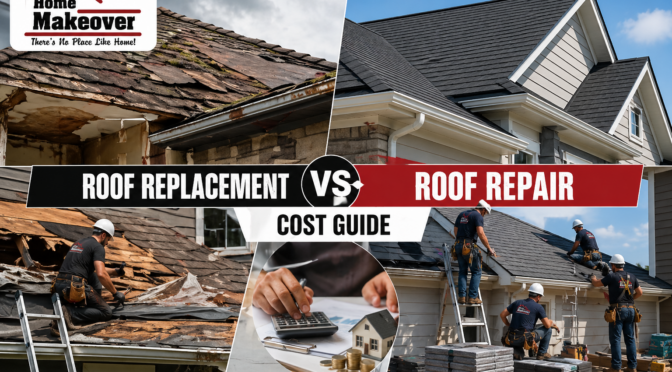
Roof Replacement vs Roof Repair Cost Guide

Older roofs push focus past what you can see right now toward choices coming up. When wear sets in, fixing bits here or starting fresh both come into play. Quick repairs might seem enough, yet lasting strength could need different building parts altogether. Waiting too long fades as an option once frame condition checks matter more. One path stands clear – patch some sections – or begin again from nothing.

For homeowners evaluating a roof replacement cost in Indiana, the decision can feel overwhelming. Costs vary widely, and choosing the wrong option can lead to repeated expenses or long-term structural issues. This guide breaks down real-world scenarios, cost factors, and expert insights to help you decide with confidence.

Understanding the Difference Between Roof Repair and Roof Replacement

Figuring out what each choice really means comes first, only then should you look at price differences.

Roof Repair

Roof repair focuses on fixing specific issues, such as:

  • Missing or damaged shingles
  • Minor leaks
  • Flashing problems
  • Small sections of structural damage

Most of the time, if the roof stays in decent shape, fixing it means lower costs, quicker work. Still, how well things go relies heavily on whether the frame holds strong through large sections.

Roof Replacement

A fresh setup begins by tearing off the old roof before putting up a completely different system. While the prior structure comes down, a brand-new assembly takes its place directly on the framing. This includes:

  • Tear-off of old materials
  • Inspection of decking
  • Installation of underlayment and new roofing materials

When fixing things gets too expensive, firms such as Home Makeover step in to help people decide what comes next.

Roof Replacement Cost in Indiana — What to Expect

The roof replacement cost in Indiana depends on several variables, but most homeowners can expect a significant investment compared to repairs.

Typical Cost Factors:

  • Roof size and pitch
  • Material type (asphalt, metal, tile)
  • Labor costs
  • Accessibility
  • Existing roof condition

A typical re-roofing job using asphalt shingles can differ greatly in price; yet clarity about cost components brings insight into material resilience. Long-term performance often reflects how well layers resist weathering over time. Protection upgrades become evident when examining underlayment quality and installation precision.

Home Makeover often emphasises that while replacement costs are higher upfront, they can eliminate recurring repair expenses.

Roof Repair Cost in Indiana — A Practical Breakdown

If your roof damage is localised, repair may be the more economical option.

Common Repair Costs Include:

  • Shingle replacement
  • Leak patching
  • Flashing repair
  • Minor structural fixes

The roof repair cost in Indiana is typically much lower than replacement, making it appealing for short-term solutions.

Real-world insight:

Homeowners who address small issues early often avoid larger, more expensive problems later.

Roofing Cost Factors That Influence Your Decision

Roofing prices depend on several things worth knowing first. A clearer picture comes when those details are laid out simply.

Key Considerations:

Age of the Roof

  • Under 10–15 years: Repairs are usually sufficient
  • Over 20 years: Replacement is often more practical

Extent of Damage

  • Localized damage → repair
  • Widespread wear → replacement

Weather Exposure

Indiana’s climate can accelerate wear due to storms, snow, and temperature changes.

Energy Efficiency

New roofs often improve insulation and reduce energy costs.

Before suggesting an approach, experts such as Home Makeover assess every aspect carefully. Yet each consideration plays a role in shaping their guidance.

Material Pricing — How It Impacts Overall Cost

Material selection plays a major role in both repair and replacement costs.

Common Roofing Materials:

  • Asphalt shingles – Affordable, widely used
  • Metal roofing – Durable, higher upfront cost
  • Tile roofing – Long-lasting but expensive

What to Consider:

  • Lifespan of the material
  • Maintenance requirements
  • Energy efficiency

Insight:

Initial savings often come from selecting lower-cost materials, yet these choices might lead to higher expenses over time because of repeated maintenance needs.

Affordable Roof Replacement Cost in Indiana Guide

Spending less on a new roof in Indiana? It is not about skipping steps. Picking the right materials makes the real difference. Even tight budgets can include solid quality, if decisions come with care. Planning ahead holds everything together.

Practical Strategies:

  • Get multiple estimates from roofing contractors 
  • Choose mid-range materials for durability and cost balance
  • Schedule work during off-peak seasons
  • Address issues early to avoid structural damage

Home Makeover often helps homeowners plan replacements in phases, making the investment more manageable.

Roofing Contractors in Indiana — Why the Right Choice Matters

The quality of workmanship directly impacts both cost and long-term performance.

What to Look For:

  • Licensed and insured contractors
  • Transparent pricing and detailed estimates
  • Proven experience with similar projects
  • Strong local reputation

Starting fresh with seasoned teams such as Home Makeover means fixes and swaps get handled right off the bat. One wrong move early on can unravel everything – here, it doesn’t happen. Getting things fixed properly at once comes down to who you trust; firms like this make sure of it.

Roof Installation in Indiana — What the Process Looks Like

If you choose a replacement, understanding the process helps set expectations.

Typical Steps:

  1. Initial inspection and roofing estimate
  2. Material selection
  3. Removal of old roofing
  4. Structural inspection
  5. Installation of new system
  6. Final inspection and cleanup

The entire process usually takes a few days, depending on the size and complexity of the project.

Real-World Scenario — Repair vs Replacement Decision

A homeowner in Indiana noticed recurring leaks and opted for multiple repairs over two years.

Outcome:

  • Total repair costs added up significantly
  • Underlying structural issues went unnoticed
  • Eventually required full replacement

After consulting Home Makeover:

  • A complete replacement was done
  • Long-term issues were resolved
  • Energy efficiency improved

Lesson:

Sometimes, repeated repairs cost more than replacing the roof earlier.

The Most Common Mistakes Homeowners Make

Avoid these mistakes when deciding between repair and replacement:

Delaying Necessary Work

Small issues can escalate into major structural damage.

Choosing the Cheapest Option

Low-cost fixes may not address underlying problems.

Ignoring Professional Advice

Experienced contractors provide insights based on real conditions.

Not Getting a Detailed Roofing Estimate

Lack of clarity leads to unexpected costs.

Overlooking Material Quality

Short-term savings can result in long-term expenses.

Expert Tips for Making the Right Decision

Based on real industry experience:

  • Always start with a professional inspection
  • Compare repair vs replacement over a 5–10 year period
  • Consider your long-term plans for the home
  • Factor in energy efficiency benefits
  • Work with trusted professionals

A strategic approach helps you avoid unnecessary expenses and ensures long-term value.

Repair or Replace — How to Decide

Here’s a simple way to evaluate:

Choose Repair If:

  • Damage is minor and localised
  • Roof is relatively new
  • Budget is limited

Choose Replacement If:

  • Roof is nearing end of lifespan
  • Damage is widespread
  • Repairs are becoming frequent

Home Makeover often advises homeowners to think beyond immediate costs and consider long-term performance.

Make a Cost-Effective Roofing Decision

Deciding between repair and replacement comes down to understanding both immediate costs and long-term value. While repairs may seem cheaper upfront, they are not always the most cost-effective solution over time. If your roof is aging or experiencing repeated issues, investing in a replacement can provide better protection, improved energy efficiency, and peace of mind. Working with experienced professionals like Home Makeover ensures that your decision is based on accurate assessments and practical insights, not guesswork.

FAQs

1. When should I repair instead of replace my roof?

Repairs are suitable when damage is minor and the roof is still in good overall condition.

2. How long does a roof replacement take?

Most residential roof replacements take 1–3 days, depending on complexity and weather conditions.

3. Are repairs a long-term solution?

Repairs can be effective short-term, but repeated issues may indicate the need for replacement.

4. How do I get an accurate roofing estimate?

Schedule a professional inspection with experienced contractors who can assess damage, materials, and labor requirements in detail.
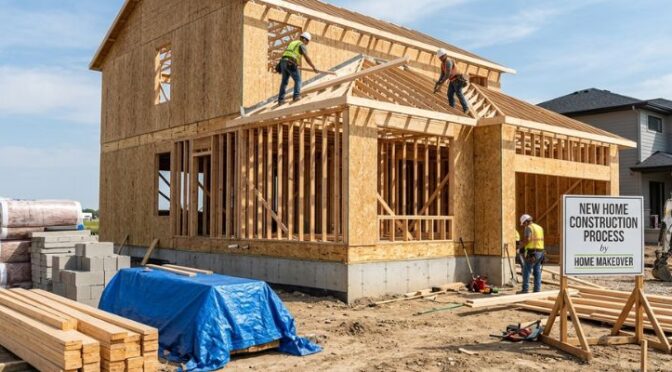

Step by Step New Home Construction Process by Home Makeover

Building a home from the ground up is exciting, but it can also feel overwhelming if you don’t understand what happens at each stage. Many homeowners jump in with a vision but quickly face delays, budget overruns, and decision fatigue simply because the custom home building process in Indiana isn’t clearly mapped out from the beginning.

That’s where a structured, experience-driven approach makes all the difference. With the right planning and guidance, your project moves from concept to completion with fewer surprises and better outcomes. 

This guide breaks down the real-world new home construction steps, combining practical insight with professional expertise, just like the approach followed by Home Makeover.

Understanding the Custom Home Building Process in Indiana

Home building starts long before ground is broken – think of it as a chain where every link must hold. Skip a step, trust won’t fix what planning missed. One phase feeds into the next, only when each piece lands right does the whole thing stand. The home building guide most professionals follow includes:

  • Planning and design
  • Budget alignment
  • Permits and approvals
  • Construction execution
  • Final inspections and handover

Step by step, Home Makeover keeps things clear so people understand each move. Why it happens matters just as much as what happens. Clarity runs through every part of the process. People see what comes next without confusion. Knowing the reason behind choices makes all the difference. Each stage unfolds with openness built in. Understanding grows because details are shared plainly.

Planning the Home Construction Process

Buildings stand tall because someone thought ahead first. Before any material hits the site, decisions shape how things move, what they need, and whether they work at all.

What This Stage Involves:

  • Defining your goals (layout, size, lifestyle needs)
  • Selecting land or evaluating an existing plot
  • Working with architects and designers
  • Initial cost estimation

Real-World Insight

A house owner jumped straight into remodeling, ignoring sun angles and room direction. Out came steep power bills and dim interiors. Careful layout choices prevent such problems down the line. That is precisely when Home Makeover steps in early, talking through every detail before lifting a tool.

Budgeting — Setting Realistic Expectations

Budgeting means matching plans to what actually happens – numbers meet truth here. Not just listing amounts, but seeing where things really stand together.

Key Budget Components:

  • Land costs
  • Design and architectural fees
  • Construction materials and labor
  • Permits and inspections
  • Contingency (usually 10–15%)

Practical Tip

Surprises pop up, so stay ready for extra expenses. When storms hit, prices shift, or plans change – each one slows things down. Real work rarely goes exactly as drawn on paper. A transparent budgeting approach, like the one used by Home Makeover, helps prevent financial stress midway through construction.

Contractor Selection — Choosing the Right Partner

One of the most critical decisions in the custom home building process in Indiana is contractor selection. The wrong choice can lead to delays, poor workmanship, and communication breakdowns.

What to Look For:

  • Proven experience in residential builds
  • Clear communication style
  • Transparent pricing
  • Portfolio of completed projects

Common Mistake

Most times, picking whoever charges least means corners get cut or extra fees show up down the line. A crew you can rely on, such as Home Makeover, brings steady oversight along with clear responsibility throughout the job.

Permit Process — Navigating Approvals

Most people don’t think much of permits – still, they shape how fast things move.

What’s Required:

  • Building permits
  • Zoning approvals
  • Environmental considerations
  • Utility connections

Why It Matters

Permits skipped or botched might bring penalties, holdups, or abrupt halts to construction work. With years behind them, crews such as Home Makeover move smoothly through red tape – meeting rules while keeping timelines on track.

Construction Timeline — What to Expect

Most custom houses move through similar steps, even if schedules differ. A clear picture of the new home construction steps makes it easier to know what to expect.

Typical Phases:

  1. Site Preparation – Clearing, grading, and excavation
  2. Foundation Work – Pouring concrete and structural base
  3. Framing – Building the structure and layout
  4. Roofing & Exterior – Weatherproofing the home
  5. Plumbing, Electrical, HVAC – Core system installations
  6. Interior Finishes – Drywall, flooring, cabinetry
  7. Final Touches – Painting, fixtures, landscaping

Real-World Scenario

Later arrival of supplies might shift entire timelines. Because of this, timing matters just as much as teamwork with vendors. Staying ahead happens when plans include room for surprises. Home Makeover builds steps that help work flow without stopping.

Practical Tips for a Smooth Construction Journey

Even with the best plan in place, the execution phase is where most projects succeed or fall apart. Small oversights during construction can quickly turn into costly delays or rework. Based on real-world experience, staying proactive, informed, and organized throughout the process makes a significant difference in both the outcome and your overall experience.

  • Communicate regularly with your builder

Misunderstandings often lead to costly changes. Consistent communication helps ensure that expectations stay aligned, especially when decisions need to be made quickly. Regular check-ins also allow you to catch small issues before they escalate into bigger problems.

  • Avoid last-minute design changes

They can disrupt timelines and budgets. Changes during construction often require rework, additional materials, and revised scheduling. Finalizing decisions early helps maintain momentum and keeps the project on track.

  • Visit the site periodically

It helps you stay informed and involved. Seeing progress firsthand gives you better clarity on how plans are being executed. It also allows you to ask timely questions and address concerns before they affect later stages.

  • Document everything

Keep records of decisions, approvals, and changes. Having a clear paper trail reduces confusion and protects you in case of disputes. It also ensures everyone involved is working from the same information.

Common Mistakes Homeowners Should Avoid

Many challenges in the construction process don’t come from technical complexity, they come from avoidable decisions made early or mid-project. Understanding these common mistakes can help you approach your build more strategically and avoid unnecessary stress, delays, and expenses.

Underestimating the Budget

Later on, unseen expenses add up if they’re overlooked at first.

Rushing the Planning Stage

Mistakes creep in when preparation falls short, causing clunky designs along with wasted effort.

Ignoring Professional Advice

Experienced builders provide insights that save time and money.

Over-Customizing

Building intricate shapes often means spending more money. Tough blueprints tend to slow down work on site.

Home Makeover often guides clients through these pitfalls, ensuring smarter decisions from the start and a smoother overall building experience.

Expert Advice from Real Projects

Years of experience reveal patterns that aren’t obvious at first glance:

  • Simpler designs often deliver better long-term value
  • Proper site preparation prevents future structural issues
  • Quality materials reduce maintenance costs
  • Clear communication avoids most project delays

These insights are part of the structured approach used by Home Makeover to deliver reliable results.

Final Stage — Inspection and Handover

Once construction is complete, the project enters the final phase.

What Happens Here:

  • Final inspections for safety and compliance
  • Walkthrough with the homeowner
  • Addressing minor defects or adjustments
  • Official handover

Important Tip

Never skip the final walkthrough. It’s your opportunity to ensure everything meets expectations.

Your Path to a Smooth and Successful Home Build

The custom home building process in Indiana doesn’t have to be stressful when approached with the right mindset and guidance. One step follows another, starting with blueprints and ending at move-in day – each moment matters more than it first appears. Teams such as Home Makeover offer something beyond bricks: steady guidance rooted in clear timelines and honest updates. A house takes money, yes, yet also patience and attention. When people learn how things unfold – the sequence, the delays, the small decisions – it shapes what they get in return years later.

FAQs 

1. What factors influence the timeline of a custom home build in Indiana?

Timeline depends on design complexity, permit approvals, weather conditions, and material availability. 

2. How do I choose the right contractor for my home construction project?

Look for a contractor with proven experience, transparent pricing, strong communication, and a solid portfolio, just like Home Makeover

3. How much contingency budget should I keep?

Around 10–15% of the total project cost is recommended for unexpected expenses.

4. Can I make changes during construction?

Yes, but changes may increase costs and delay the timeline.

5. Do I need to handle permits myself?

Usually not. Our experienced builders manage the permit process to ensure compliance and efficiency.

Potential Benefits of a Four Season Sunroom

Understanding the true four season sunroom benefits helps homeowners make informed decisions about expanding their living space. Year after year, homeowners in Indiana spend more on sunrooms built to handle every season. Not like older models, these stay cozy through winter thanks to tight seals and strong frames. Because they adjust well to changing weather, people find them useful beyond just looks. Instead of short-term upgrades, many now choose builds that last, fit their homes right, and work hard no matter the temperature. 

With expert solutions from Home Makeover, a four season sunroom becomes more than just an extension—it transforms into a practical, energy-efficient living area tailored for all seasons. Whether used as a relaxation zone, workspace, or entertainment area, this addition enhances both lifestyle and property value.

Year Round Sunroom Comfort for All Weather Conditions

Open to sunshine but shielded from storms, a thoughtfully made sunroom brings outside brightness even when skies turn gray. Built using modern components, it holds steady warmth or coolness depending on the season. The insulated sunroom advantages become clear when considering how these rooms perform during extreme heat or cold. 

A tight build keeps inside temps steady by blocking drafts through good insulation. Morning chill or afternoon heat stays outside where it belongs because gaps get shut. Rooms stay comfortable no matter the season so people actually use them when they want. Extra time spent outdoors at home becomes normal since those spots now work like indoor rooms. Usable space grows even if the square footage does not change.

Energy Efficient Sunrooms That Reduce Utility Costs

Energy efficiency is a key factor when evaluating four season sunroom benefits. Modern designs focus on reducing energy consumption while maintaining a comfortable environment.

  • High-performance insulation for controlled indoor temperatures

Advanced insulation materials minimize heat loss during winter and reduce heat gain during summer. This ensures a stable environment while lowering energy consumption and improving overall efficiency.

  • Sealed construction to prevent air leakage and drafts

Inside stays balanced when outside gusts can’t get through. Tight spaces shut out breezes, making heating and cooling easier. No sudden chills creep into rooms that are closed off tight. Systems work better once airflow chaos is stopped.

  • Energy-efficient windows and doors for improved performance

Heat moves slower through well-made windows and their edges. Over months, that adds up to lower heating and cooling bills. Rooms stay cozy or cool without constant adjustments. A steady feel lingers where these materials block shifts.

These features collectively make energy efficient sunrooms a cost-effective investment that delivers long-term financial and environmental benefits.

Functional Living Space Expansion for Modern Homes

Adding a four season sunroom significantly increases usable space without the complexity of a full home extension. These rooms can serve multiple purposes depending on homeowner needs.

  • Versatile space for relaxation, dining, or entertainment

A fresh layout means the sunroom shifts easily between quiet evenings, meals, or gatherings – fitting how people actually live. Home life gains room to breathe without needing extra walls.

  • Seamless integration with existing home design

A well-built sunroom fits naturally into the house design, holding balance in look and structure through careful craftsmanship. Careful planning during assembly keeps lines clean while matching existing shapes across the exterior.

  • Increased property value through practical home expansion

A well-built sunroom adds measurable value to the property, making it an attractive feature for potential buyers.

Beyond functionality, this expansion improves the overall living experience by creating a connection between indoor comfort and outdoor ambiance.

Enhancing Thermal Efficiency with Insulated Glass

Most of the time, insulated glass keeps a sunroom’s warmth steady. Whether it’s two layers or three, less heat sneaks through. Comfort sticks around no matter the weather outside. This feature is central to achieving insulated sunroom advantages, as it enhances energy efficiency while allowing maximum natural light. Outside sounds get quieter, making the inside feel calmer because of how it blocks noise.

Climate Control – Maintaining Year-Round Comfort

Inside the sunroom, comfort stays steady no matter how hot or cold it gets outside. When winter bites, warmth rises smoothly from hidden sources. Summer heat? It fades just as quietly thanks to built-in cooling. Temperature never swings too far either way. Hidden tech keeps things even without drawing attention. One moment you’re facing a blizzard view – next, sipping tea in mild air. This capability allows homeowners to fully utilise the space throughout the year, reinforcing the value of four season sunroom benefits. Besides keeping things cozy, smart thermostats pair well with zone controls to cut down on wasted power. Yet they adjust quietly behind the scenes, matching your routine without fuss.

  • Sunroom Usability – Maximising Everyday Functionality

Inside a sunroom, ease often depends on how it’s put together. Because fresh air moves well and sunlight reaches deep, the space works in every season. When windows and doors sit just right, morning stillness or long chats become possible. From one moment to the next, the mood slides from tasks to slow hours without effort. Where pages turn or steam rises from mugs, daylight lingers like an old friend.

Materials, Tools, and Construction Standards That Matter

A well-built sunroom stands up to every season when strong materials shape its frame. Because craftsmanship matters, hiring skilled workers makes a difference over time. What holds up year after year often begins with how it was put together. Details like seals, joints, and support decide what survives winter winds or summer heat.

  • Durable framing materials for structural stability

From strong stuff comes a sunroom that handles weather without giving in. Over years it stays solid because what it’s made of fights off damage.

  • Advanced installation tools for precision and accuracy

Out in the workshop, accuracy comes easier when the gear works right. With solid equipment, putting parts together flows without hiccups. Mistakes show up less often, simply because everything fits as it should. The end result? Cleaner work, fewer headaches, better outcomes.

  • Compliance with building codes and safety standards for reliable construction

Most of the time, sticking to guidelines keeps the sunroom solid, up to code, safe by design. Builders who skip shortcuts mean fewer headaches later on for those living there.

Overcoming Common Sunroom Challenges with Expert Solutions

Though sunrooms bring many advantages, thinking ahead helps manage issues like keeping the space comfortable and connecting it well to the house. What matters most is how details are handled from the start.

  • Managing temperature fluctuations with proper insulation

Year after year, good insulation keeps indoor temperatures steady. It stops rooms from getting too hot or far too cold. Comfort stays even because heat moves slower through better materials.

  • Ensuring structural compatibility with existing homes

A well-trained eye checks how the sunroom fits with what’s already there, so things line up without clashes. Structure harmony comes first when adding new space, preventing awkward mismatches later on.

  • Addressing moisture and ventilation concerns effectively

Mold stays away when airflow moves right through a space. Freshness indoors lasts longer if vents work well most days. Usable rooms stick around when breathing walls stay active all year.

Long-Term Value and Lifestyle Benefits

A four season sunroom is not just a short-term upgrade—it provides lasting value and enhances everyday living.

  • Improved natural lighting for a healthier indoor environment

Increased sunlight exposure can enhance mood and reduce reliance on artificial lighting.

  • Enhanced aesthetic appeal for modern home design

Sunrooms add visual interest and create a sophisticated architectural feature.

  • Multi-functional space that adapts to changing needs

The flexibility of the space ensures it remains useful as lifestyle needs evolve over time.

These long-term benefits make the investment worthwhile for homeowners seeking both comfort and practicality.

Why Choose Home Makeover for Four Season Sunrooms in Indiana

Selecting the right contractor ensures that all four season sunroom benefits are fully realised. Home Makeover provides tailored solutions designed to meet specific homeowner needs.

  • Expertise in delivering insulated sunroom for long-term comfort

Professional experience ensures that every project meets high standards of quality and performance.

  • Comprehensive project planning and execution for seamless results

Structured processes ensure efficient timelines and consistent outcomes.

  • Use of premium materials and advanced construction techniques

High-quality components enhance durability and aesthetic appeal.

  • Commitment to safety, compliance, and customer satisfaction

Every project is completed with strict adherence to industry standards.

Transform Your Home with a Four Season Sunroom

Investing in a four season sunroom provides a practical and stylish way to expand your living space. With the right design, materials, and expertise, homeowners can enjoy a comfortable, energy-efficient environment throughout the year. Choose Home Makeover to experience the full range of four season sunroom benefits, backed by professional craftsmanship and reliable service in Indiana.

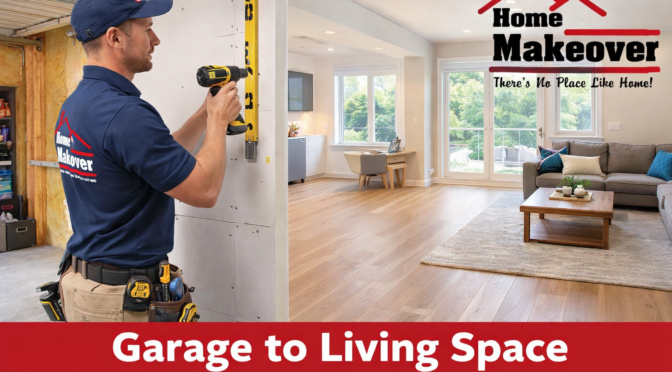
Garage to Living Space Conversion Guide

Transforming underutilised areas into functional living zones is a smart way to maximise property value and usability. A garage to living space conversion in Indiana allows homeowners to create additional rooms without the complexity of full-scale construction. Homeowners turn old garages into cozy, code-friendly rooms through clear plans at Home Makeover. Expert builders help blend new areas smoothly with the house using smart steps. Each move follows safety rules while matching how people live now plus years ahead. The process flows from idea to finish without skipping what matters.

Garage Remodel Ideas for Functional and Modern Living Spaces

Modern garage remodel ideas focus on transforming basic storage areas into practical, stylish, and comfortable environments. Whether it’s a home office, guest suite, or entertainment area, the possibilities are extensive when guided by professional garage conversion contractors. A well-planned conversion ensures that insulation, lighting, and layout are optimized. This creates a space that feels like a natural extension of the home rather than a repurposed structure.

Planning Your Garage Conversion Project

A solid plan kicks off every smart renovation. When done right, it fits the building rules, works well daily, holds up structurally – yet still feels like home. What matters most shows up early: how you live shapes everything else.

  • Comprehensive site assessment and structural evaluation

A fresh look at the current setup comes first, spotting what works and what does not. Because of this, turning a garage into habitable rooms stays safe and strong over time.

  • Design planning tailored to lifestyle and functional needs

Every conversion is customized based on how the space will be used. Whether it’s a living area, workspace, or rental unit, tailored designs maximise usability and comfort.

  • Integration of electrical, plumbing, and insulation systems

Upgrading utilities is essential for creating a fully functional living space. Proper installation ensures safety, energy efficiency, and compliance with building standards.

Home Expansion Without Major Structural Changes

Turning a garage into usable rooms saves money compared to adding onto a house. Because the structure already stands, there is no need for heavy digging or framing. Using what’s there means more room inside without touching outside walls. Families expanding, or life shifting directions, find this practical. Space grows, yet the home’s outline stays just as it was.

Understanding Permit Requirements for Garage Conversions

Starting off, permits matter most when changing how a building works. Following rules means your updated area fits what the city expects for safety and structure. People who change garages into rooms take care of papers, getting green lights, plus checking every step so turning a garage into living space in Indiana follows law and passes inspection.

Garage Conversion Cost and Budget Considerations

Understanding garage conversion cost is essential for planning and decision-making. Costs vary depending on design complexity, materials, and required upgrades. Professional garage conversion contractors provide transparent estimates, helping homeowners balance budget and quality. A well-executed garage to living space conversion in Indiana delivers long-term value, making it a worthwhile investment.

Materials, Tools, and Construction Standards

From solid materials to well-made tools, success in tough jobs often begins before work even starts. When builds follow clear rules, risks drop without extra effort later on.

  • Use of durable building materials for long-lasting results

Quality materials hold things together better while cutting down on repairs. Over years, the revamped area stays useful and looks good because of it.

  • Advanced tools and equipment for precise construction work

Fine gear helps get measurements right, set things up properly, then finish cleanly. Because of that, what gets built holds together better and looks the same throughout.

  • Compliance with safety standards and building regulations

As there are certain rules, turning spaces correctly means staying within the law plus meeting safety needs. Homeowners stay shielded while what they own gains worth over time.

Common Challenges and How Professionals Solve Them

Garage conversions can present challenges that require expert solutions. Professional garage conversion contractors address these issues efficiently to ensure project success.

  • Managing limited space and layout constraints effectively

Strategic design solutions maximise available space while maintaining functionality. This ensures that the garage to living space conversion in Indiana meets practical needs.

  • Ensuring proper insulation and temperature control

Garages are not originally designed for living conditions. Upgraded insulation and ventilation systems ensure comfort throughout the year.

  • Handling structural modifications and utility upgrades safely

Structural adjustments and system installations require precision and expertise. Professional execution ensures safety and long-term reliability.

Why Choose Home Makeover for Garage Conversion Projects

Selecting the right contractor is essential for achieving high-quality results. Home Makeover delivers structured, reliable, and professional conversion services tailored to homeowner needs.

  • Expertise in garage to living space conversion projects

Extensive experience ensures efficient project execution and high-quality outcomes. This makes Home Makeover a trusted choice for garage conversions.

  • Customised solutions designed for modern living requirements

Every project is tailored to match lifestyle needs and design preferences. This ensures that the converted space is both functional and visually appealing.

  • Focus on compliance, safety, and construction excellence

Strict adherence to building codes ensures safe and legally approved conversions. This protects homeowners and enhances property value.

  • Efficient project management with clear timelines and communication

Structured processes ensure timely completion without compromising quality. This provides a smooth and stress-free experience for homeowners.

  • High-quality materials and professional craftsmanship standards

Attention to detail ensures durable and long-lasting results. This enhances the overall value of the garage to living space conversion in Indiana.

Transform Your Garage Into a High-Value Living Space Today

Converting your garage is not just about adding space—it’s about creating a functional, comfortable environment that enhances your everyday living experience. A well-executed garage to living space conversion in Indiana can significantly improve both usability and property value. Starting with a clear plan, skilled workers guide each step carefully. From sketches on paper to last details completed, accuracy matters most at Home Makeover. Your updated area feels fresh, fits building rules, blends smoothly with existing rooms. Comfort stays strong over time, function remains sharp through smart execution.