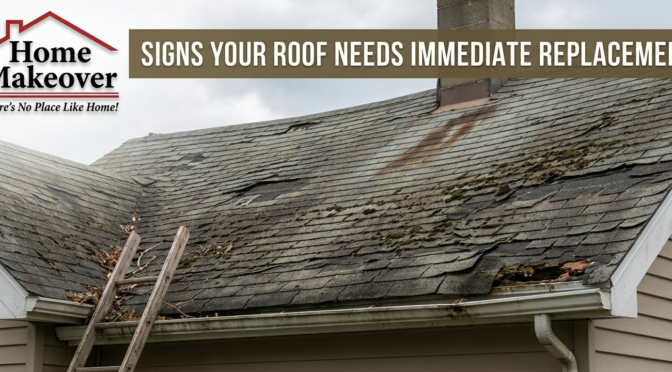

Signs Your Roof Needs Immediate Replacement

Your roof rarely fails overnight. In most cases, it gives clear warnings long before major damage happens. The problem is that many homeowners ignore these signals until water leaks, mold growth, or structural issues become impossible to avoid. Understanding the signs you need roof replacement can help you act early, protect your property, and avoid far more expensive repairs later.

At Home Makeover Pro, one of the most common situations we see is homeowners spending money on repeated repairs when the roof has already reached the end of its lifespan. A few missing shingles or a small leak may not seem urgent, but underlying damage can spread quickly beneath the surface.

This guide explains the most important roof damage warning signs, what causes them, and how to determine whether repairs are enough or if a full replacement is the smarter long-term investment. You’ll also find practical roof inspection tips, expert insights, and common mistakes homeowners should avoid.

Why Roof Problems Should Never Be Ignored

A roof does much more than keep rain out. It protects insulation, ceilings, electrical systems, framing, and even indoor air quality. Once roofing materials begin to fail, moisture can enter hidden areas of the home and create damage that is difficult and expensive to repair.

Many homeowners delay action because the roof still “looks okay” from the ground. However, roofing systems often deteriorate internally before exterior problems become obvious.

Common causes of roof deterioration include:

  • Age-related wear
  • Harsh weather exposure
  • Poor attic ventilation
  • Improper installation
  • Moisture retention
  • Repeated repairs over time
  • Severe storm events

Recognizing early roof damage warning signs gives homeowners more control over costs and prevents emergency situations.

Roof Aging – When Your Roof Has Reached the End of Its Life

One of the clearest signs you need roof replacement is simple roof aging. Every roofing material has a lifespan, and once that lifespan is exceeded, the system becomes increasingly unreliable.

Typical Roof Lifespans

  • Asphalt shingles: 20–30 years
  • Architectural shingles: 25–35 years
  • Metal roofing: 40–70 years
  • Clay tiles: 50+ years
  • Wood shakes: 20–40 years

Even if your roof appears intact, aging materials lose their waterproofing ability over time.

Warning Signs of Roof Aging

Curling or Buckling Shingles

When shingles begin curling at the edges or buckling in the middle, it often means prolonged moisture exposure and heat damage have weakened them.

Granule Loss

If you notice large amounts of granules in gutters or downspouts, your shingles are deteriorating. Granules protect against UV rays, and once they wear away, shingles age rapidly.

Faded or Uneven Appearance

Uneven coloration may indicate sections of the roof are aging at different rates, especially if past repairs were done inconsistently.

Frequent Repairs

A roof needing repeated patchwork is often no longer cost-effective to maintain.

Sagging Areas

Sagging may indicate trapped moisture or structural weakening underneath the roofing system.

Experienced contractors often recommend replacement instead of repair once a roof enters its final years because repairs become temporary solutions rather than long-term fixes.

Leaking Roof Problems That Signal Serious Damage

A leaking roof is one of the most obvious and urgent signs of roofing failure. Unfortunately, leaks are often misunderstood. By the time water appears inside your home, the damage may already be extensive beneath the roofing layers.

Common Signs of Roof Leaks

  • Water stains on ceilings
  • Damp attic insulation
  • Mold or mildew smell
  • Bubbling paint
  • Peeling drywall
  • Dripping during rainfall
  • Warped ceilings

Hidden Damage Caused by Leaks

Many homeowners only focus on visible water stains. However, roof leaks can also cause:

  • Wood rot
  • Electrical hazards
  • Insulation damage
  • Mold growth
  • Structural weakening
  • Increased energy bills

Real-World Example

A homeowner noticed a small ceiling stain near a hallway light fixture and assumed it was minor condensation. Months later, a professional inspection revealed rotted roof decking across a large section of the home caused by slow water intrusion.

This is why early detection matters.

Practical Roof Inspection Tips for Leaks

Here are several useful roof inspection tips homeowners can follow safely:

  • Check attic spaces after heavy rain
  • Look for sunlight entering through roof boards
  • Inspect ceilings for discoloration
  • Examine insulation for dampness
  • Monitor musty odors indoors
  • Check around chimneys and vents

Even a small leak deserves professional evaluation because moisture spreads far beyond the visible entry point.

Missing Shingles and Surface Damage

Why Missing Shingles Matter

Missing shingles expose the underlayment and roof decking directly to rain, sunlight, and wind. Even one missing section can allow water penetration during storms.

Shingles may detach because of:

  • Strong winds
  • Aging adhesive strips
  • Improper installation
  • Storm damage
  • Impact from debris

How to Spot Shingle Damage

Cracked Shingles

Temperature fluctuations can cause shingles to crack over time.

Lifted Shingles

Shingles that no longer lie flat are vulnerable to wind uplift and water intrusion.

Bare Patches

Visible dark patches often indicate missing protective granules.

Uneven Roof Lines

Sections of uneven roofing may signal hidden structural deterioration.

When Repairs Are No Longer Enough

If damage is isolated to one small area, repairs may work. However, widespread shingle failure across multiple sections usually indicates systemic roof deterioration.

Many older roofs also suffer from discontinued shingle styles, making matching repairs difficult and visually inconsistent.

Storm Damage Can Destroy Roofing Faster Than You Think

Severe storm damage is one of the leading causes of sudden roof replacement needs.

Even if the roof appears intact immediately after a storm, hidden damage can weaken materials significantly.

Types of Storm Damage

Wind Damage

Strong winds can loosen shingles, lift flashing, and expose vulnerable roof layers.

Hail Damage

Hail impacts create bruising that weakens shingles and shortens roof lifespan.

Heavy Rain Damage

Persistent moisture can infiltrate compromised areas.

Fallen Debris

Tree branches and debris can puncture roofing materials and decking.

Roof Damage Warning Signs After a Storm

  • Loose shingles in the yard
  • Dented flashing or vents
  • Granules accumulating in gutters
  • Water spots indoors
  • Visible punctures
  • Sagging roof sections

Important Roof Inspection Tips After Storms

After severe weather:

  • Inspect the property from the ground
  • Photograph visible damage
  • Check attic spaces for moisture
  • Schedule a professional inspection quickly
  • Avoid walking on damaged roofs

Storm damage often worsens if left untreated because compromised materials continue deteriorating with each rainfall.

Structural Problems That Mean Immediate Roof Replacement

Some roofing issues are cosmetic. Others indicate serious structural concerns requiring urgent action.

Sagging Rooflines

A sagging roof often points to:

  • Water-damaged decking
  • Compromised rafters
  • Excessive moisture retention
  • Structural instability

This is one of the most serious signs you need roof replacement.

Rotting Roof Deck

Roof decking weakens when exposed to long-term moisture. Soft or spongy areas may indicate internal decay.

Daylight Through Roof Boards

If sunlight enters attic spaces through roof boards, water can enter as well.

Excessive Moss Growth

Moss traps moisture against roofing materials and accelerates deterioration.

Mold and Indoor Moisture Issues

Persistent roof leaks can create unhealthy indoor environments and affect air quality.

Energy Bill Increases Linked to Roof Failure

Many homeowners never connect rising energy costs to roof deterioration.

Damaged roofing systems often allow:

  • Heat loss during winter
  • Excess heat infiltration during summer
  • Poor attic ventilation
  • Moisture buildup affecting insulation performance

If your HVAC system struggles to maintain indoor comfort, the roof may be contributing to the problem.

Older roofs with failing ventilation systems can dramatically reduce energy efficiency.

Common Mistakes Homeowners Make With Roof Problems

Understanding what not to do is just as important as recognizing roof damage warning signs.

Ignoring Minor Leaks

Small leaks often become major structural problems.

Delaying Inspections

Waiting too long allows hidden damage to spread.

Choosing Cheap Temporary Repairs

Low-cost patch jobs may only delay necessary replacement.

Walking on the Roof Without Experience

Improper foot traffic can worsen damage and create safety hazards.

Focusing Only on Exterior Appearance

A roof can look acceptable from the street while serious deterioration exists underneath.

Expert Roof Inspection Tips From Industry Professionals

Routine inspections help homeowners identify roofing issues before emergencies develop.

Seasonal Roof Inspection Tips

Spring

  • Check for winter storm damage
  • Inspect gutters
  • Look for loose shingles

Summer

  • Monitor attic heat buildup
  • Inspect flashing around vents

Fall

  • Remove leaves and debris
  • Check drainage systems

Winter

  • Watch for ice dam formation
  • Monitor interior moisture

Professional Inspection Checklist

Roofing professionals typically evaluate:

  • Shingle condition
  • Flashing integrity
  • Ventilation systems
  • Roof decking
  • Chimney seals
  • Drainage performance
  • Structural stability

Routine inspections can extend roof lifespan and help homeowners budget for future replacement.

How to Know When Replacement Is Better Than Repair

Many homeowners ask the same question:
“Can this roof still be repaired?”

The answer depends on several factors.

Replacement Is Often Better When:

  • The roof is near the end of its lifespan
  • Damage affects multiple sections
  • Leaks keep returning
  • Structural issues exist
  • Repairs become frequent
  • Storm damage is widespread

Repeated repairs on an aging roof often cost more over time than a properly installed replacement system.

A full replacement also improves:

  • Energy efficiency
  • Home value
  • Weather protection
  • Curb appeal
  • Long-term peace of mind

Choosing the Right Time for Roof Replacement

Timing matters when planning roof replacement.

Best Times for Roofing Projects

  • Mild spring weather
  • Early fall conditions
  • Dry seasonal periods

Emergency replacement may still be necessary after severe damage regardless of season.

Signs You Should Act Immediately

Do not delay replacement if you notice:

  • Active water intrusion
  • Structural sagging
  • Extensive storm damage
  • Large missing roof sections
  • Persistent mold growth

Fast action can prevent secondary interior damage.

Conclusion

Your roof protects everything beneath it, yet many homeowners overlook serious warning signs until major problems develop. Recognizing the early signs you need roof replacement can help prevent structural damage, costly repairs, and ongoing water intrusion.

From roof aging and missing shingles to severe storm damage and a persistent leaking roof, every warning sign deserves careful attention. The longer roofing issues remain unresolved, the more expensive and disruptive they become.

Following practical roof inspection tips and scheduling professional evaluations regularly can help homeowners make informed decisions before emergencies occur.

At Home Makeover Pro, we always encourage homeowners to think long-term. A properly installed replacement roof not only protects your property but also improves comfort, efficiency, and overall peace of mind for years to come.

FAQs

How do I know if my roof needs replacement?

If your roof has leaks, missing shingles, sagging areas, or is over 20 years old, it may need replacement. Frequent repairs are also a major warning sign.

Can a leaking roof be repaired?

Small leaks can sometimes be repaired. But if leaks keep returning or water damage is widespread, replacing the roof is often the better long-term solution.

What are common roof damage warning signs?

Common signs include cracked shingles, water stains on ceilings, granules in gutters, mold growth, and visible storm damage.

How often should I inspect my roof?

Homeowners should inspect their roof at least once a year and after major storms to catch problems early and avoid costly repairs.

Does storm damage always require roof replacement?

Not always. Minor storm damage may only need repairs. However, severe wind, hail, or water damage can weaken the entire roof system and require replacement.

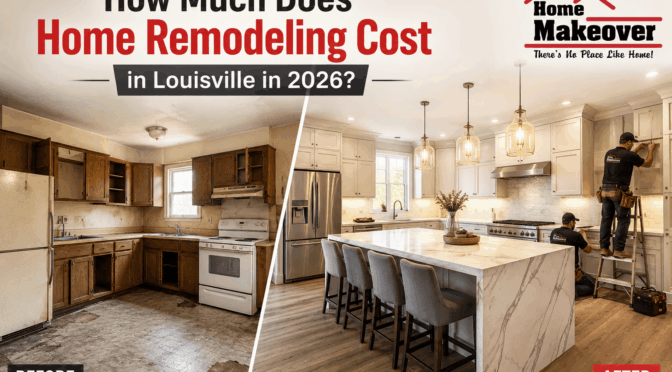
How Much Does Home Remodeling Cost in Louisville in 2026?

Planning a home remodel in 2026? One of the first questions homeowners ask is simple: how much will it actually cost? The reality is, home remodeling cost in Louisville can vary widely depending on the scope, materials, and planning approach.

Surprises often come from choices set months ahead of any building work starting. It is not mystery prices that trip people up – rather, it is how many moving parts hide inside each decision. What seems small at first can shift the whole budget sideways.

Nowadays, renovation costs respond strongly to inflation, access to materials, or workforce shortages. Comfort matters more to homeowners, so do practical layouts along with lower energy use – leading many to adjust their original project size.

This guide breaks down real-world costs, practical insights, and what to expect when budgeting for a remodel. With experience-driven input from professionals like Home Makeover, you’ll get a clearer picture of how to plan effectively and avoid costly surprises.

Understanding Home Remodeling Costs in Louisville

The home renovation cost in Louisville depends on several key factors, including project size, complexity, and material choices.

Average Cost Ranges (2026 Estimate)

While every project is unique, typical ranges include:

  • Minor renovations: $15,000 – $40,000
  • Mid-range remodels: $40,000 – $100,000
  • Major renovations: $100,000 – $300,000+

Right now, what workers cost, what supplies run, and how much people want things shape these numbers in Louisville. Not every city moves like this one does – here it sticks close to those three pieces. Most people fixing up homes usually land right in the middle – tackling several updates at once, simply because it makes sense when you want results without paying crews twice.

One thing shaping remodel prices in 2026 is how smoothly materials move through supply lines – when delays hit, costs shift. Contractor schedules matter too, since their workload changes with seasonal demand peaks and dips.

Remodel Cost Breakdown by Project Type

Kitchen Remodeling

Kitchen renovations are among the most popular—and expensive.

Typical costs:

  • Basic update: $20,000 – $40,000
  • Mid-range remodel: $40,000 – $80,000
  • High-end renovation: $80,000+

Costs increase with custom cabinetry, premium appliances, and layout changes.

In real-world scenarios, shifting a sink slightly – or sticking in an island – ramps up expenses fast, thanks to hidden changes needed for water lines and wiring. Costs climb not just from materials, but from the work behind walls too.

Bathroom Renovation

Bathrooms offer strong return on investment but vary based on size and finishes.

Typical costs:

  • Small bathroom: $10,000 – $25,000
  • Mid-range: $25,000 – $50,000
  • Luxury remodel: $50,000+

Upgrades such as walk-in showers, custom vanities, and high-end fixtures can quickly push costs higher, especially when waterproofing and tiling complexity increase.

Whole-Home Renovation

A full remodel significantly increases the house remodel budget in Louisville.

Typical costs:

  • $100,000 to $300,000+

This includes structural changes, electrical upgrades, and complete interior transformations.

Home Makeover often recommends phased remodeling for homeowners looking to manage large-scale costs more efficiently while maintaining quality across all areas.

Key Factors That Affect Renovation Pricing

Renovation Planning

Proper renovation planning is one of the biggest cost influencers.

Poor planning often leads to:

  • Budget overruns
  • Project delays
  • Design inconsistencies

Projects that begin with clear timelines, defined scopes, and realistic expectations tend to run smoother and avoid costly mid-project changes.

Material Selection

Material choices significantly impact renovation pricing.

Examples:

  • Standard vs premium flooring
  • Stock vs custom cabinetry
  • Basic vs designer fixtures

A small upgrade in materials can increase costs by 20–40%, especially when multiplied across an entire home.

Labor and Contractor Quote

Labor is a major component of any contractor quote.

Costs depend on:

  • Project complexity
  • Contractor expertise
  • Timeline requirements

Working with experienced professionals like Home Makeover ensures transparency in quotes and reduces unexpected expenses caused by incomplete or unclear pricing.

Structural Changes

Altering room configurations, like shifting pipes or knocking down partitions, often leads to much higher expenses.

These modifications require:

  • Engineering assessments
  • Permits
  • Additional labor

From experience, structural changes are one of the most underestimated cost drivers in remodeling projects.

Remodel Estimate — What Homeowners Often Miss

Looking at a remodel quote, most people pay attention to what they can see right away.

However, hidden expenses often include:

  • Permit fees
  • Waste removal
  • Temporary living arrangements
  • Design revisions
  • Utility upgrades

Midway through a project, pressure on finances usually appears when forecasts overlook hidden expenses. Factoring in known and unforeseen charges creates a more grounded projection.

Home Makeover emphasises detailed estimates to help clients avoid budget surprises during construction.

Real-World Scenario — Budget vs Reality

A person living in Louisville decided to update their kitchen. The project was expected to cost $50,000.

Initial plan included:

  • Cabinet replacement
  • New countertops
  • Updated flooring

What changed:

  • Electrical upgrades were required
  • Plumbing needed relocation
  • Material choices were upgraded

Final cost: ~$75,000

Often, things unfold this way. Even minor adjustments mid-project tend to shift the total renovation expense – particularly if several enhancements arrive at once.

Practical Tips to Manage Your Remodeling Budget

Set a Realistic Budget

Avoid underestimating costs. Always include a contingency buffer of 10–20% to handle unexpected changes.

Prioritise High-Impact Areas

Focus on spaces that provide the most value, such as kitchens and bathrooms, before expanding to other areas.

Get Detailed Contractor Quotes

Compare multiple quotes and ensure they include all cost components, timelines, and potential variations.

Avoid Last-Minute Changes

Midway design shifts pile on expenses, sometimes stalling timelines. A single tweak mid-build can ripple through schedules, slowing everything down.

Plan in Phases

When funds are tight, breaking the work into phases helps keep costs in check.

Home Makeover often guides homeowners through phased remodeling strategies to maintain financial flexibility and reduce stress.

Common Mistakes Homeowners Make

Underestimating the Budget

Later on, money gets tight when plans stay vague because most people skip careful preparation at home.

Choosing Based Only on Price

Low-cost contractors may lead to higher long-term expenses due to poor workmanship and rework.

Ignoring Permit Requirements

Skipping permits can result in legal issues, fines, and costly corrections in the future.

Over-Customising

Custom-built layouts often raise expenses while making building more difficult, even when simpler options would work just fine.

Expert Advice — How to Control Remodeling Costs

From industry experience, professionals consistently recommend:

  • Plan every detail before starting
  • Choose materials wisely
  • Work with experienced contractors
  • Monitor progress regularly
  • Stay flexible but avoid unnecessary changes

By following clear guidelines, Home Makeover keeps work on track without overspending, meeting what clients actually want. Efficiency grows when every choice supports both budget and vision – results stay grounded in real needs rather than assumptions.

The Future of Remodeling Costs in Louisville

In 2026, remodeling costs continue to be influenced by:

  • Material price fluctuations
  • Labor demand
  • Supply chain factors
  • Energy-efficient upgrades

Homeowners are increasingly investing in:

  • Smart home features
  • Sustainable materials
  • Energy-efficient systems

Though first costs rise with these changes, benefits usually follow over time – lower expenses plus stronger resale appeal. A heavier price today can mean lighter bills tomorrow while boosting what the home is worth.

Plan Smart, Spend Wisely

Understanding home remodeling cost in Louisville is not just about numbers, it’s about planning, decision-making, and execution. Starting strong often means planning deeply – this brings smoother outcomes, less stress, later gains. When redoing one space or reshaping every corner of a house, guidance from seasoned experts shifts the whole process. It changes how things unfold.

Reality takes shape when plans meet steady hands. Home Makeover walks beside those rebuilding their spaces, offering clear guidance shaped by real work done before. Ideas gain form without losing grip on schedule, expense, or craftsmanship. Each step forward stays grounded in what actually happens onsite, not promises made too soon.

FAQ Section

1. What is the average home remodeling cost in Louisville in 2026?

The average cost ranges from $40,000 to $100,000 for mid-range projects, while larger renovations can exceed $200,000 depending on scope and materials.

2. What factors most affect renovation pricing?

Key factors include material selection, labor costs, project complexity, and structural changes. Planning also plays a major role in controlling expenses.

3. How accurate are contractor quotes?

Quotes are accurate when detailed properly. However, unexpected issues or design changes can increase costs during the project.

4. Should I renovate all at once or in phases?

Phased renovation is often more manageable financially and allows better control over budget and planning.

5. How can I reduce remodeling costs without compromising quality?

Focus on essential upgrades, avoid unnecessary customisation, and work with experienced contractors who provide transparent pricing and efficient execution.