
Tag Archives: home remodeling services

How to Choose High-Quality Materials for a Home Remodeling Project in Southern Indiana & Louisville

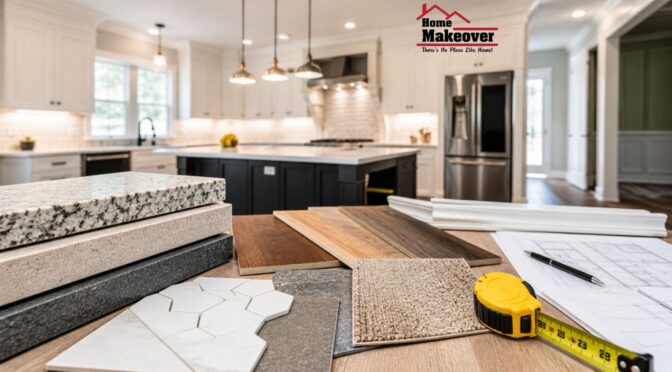
A successful Home Remodeling Project is not simply about choosing the most attractive tile, countertop, flooring, or fixtures. The materials you select have a direct impact on how your home looks, performs, ages, and holds up to everyday use.

This matters especially in Southern Indiana and Louisville, where homes experience seasonal temperature changes, humidity, heavy rainfall, and regular fluctuations between indoor and outdoor conditions. A material that looks impressive in a showroom may not necessarily be the right choice for a busy kitchen, moisture-prone bathroom, high-traffic hallway, or exterior application.

Homeowners also face another challenge: the enormous range of products available today. There are multiple grades of flooring, cabinets, countertops, insulation, windows, roofing products, plumbing fixtures, and finishes. Price alone rarely tells you which option offers the best value.

The better approach is to evaluate materials according to performance, application, maintenance, material durability, renovation quality, and long-term value.

Whether you are planning a kitchen update, bathroom renovation, basement finishing, whole-home renovation, or another improvement, this guide explains how to make informed material decisions. It also covers what experienced home improvement contractors in Louisville and professionals providing home remodeling services in Southern Indiana typically consider before recommending a product.

Why Materials Matter in a Home Remodeling Project

Materials are one of the biggest long-term decisions you will make during a renovation.

Paint can be changed relatively easily. A cabinet finish can sometimes be replaced. But replacing poorly selected flooring, countertops, windows, siding, insulation, or plumbing components can require substantial labor and additional disruption.

High-quality materials can contribute to:

  • Better everyday performance
  • Longer service life
  • Easier maintenance
  • Improved moisture resistance
  • Greater resistance to wear and impact
  • Better appearance over time
  • Fewer premature repairs
  • Improved energy performance in appropriate applications
  • Stronger long-term value

However, “high quality” does not automatically mean “most expensive.”

A premium material can be unnecessary for a particular application, while a budget product can become expensive if it needs frequent repairs or replacement.

The objective is to select the right material for the right application.

Materials: Start With How Your Home Will Be Used

Before comparing brands or finishes, consider how the room actually functions.

A material that works beautifully in a rarely used guest bathroom may perform poorly in a family bathroom used several times every day.

Consider Traffic and Daily Wear

Ask yourself:

  • How many people use this space?
  • Are there children or pets?
  • Will furniture frequently move across the floor?
  • Is the room exposed to water?
  • Will food, grease, or cleaning chemicals contact the surfaces?
  • How frequently will the area need cleaning?
  • Is the space likely to change purpose later?

For example, a homeowner renovating a kitchen may fall in love with a delicate surface because of its appearance. But if the kitchen receives heavy daily use, a more stain-resistant and impact-resistant option may be the better investment.

The same principle applies to flooring. A visually attractive floor is not necessarily a practical floor for an entryway where wet shoes, grit, and heavy foot traffic are common.

Remodeling: Match Materials to Southern Indiana and Louisville Conditions

Regional conditions should influence material selection.

Southern Indiana and Louisville experience four distinct seasons, including cold winter temperatures, hot and humid summers, and periods of significant rainfall. These conditions can affect building materials and the way assemblies perform.

For exterior or moisture-sensitive applications, contractors should consider:

  • Moisture exposure
  • Temperature fluctuations
  • Expansion and contraction
  • Drainage
  • Ventilation
  • UV exposure
  • Freeze-thaw conditions
  • Local construction requirements

For example, exterior materials need to tolerate repeated environmental exposure rather than simply look good immediately after installation.

Inside the home, humidity can also influence materials. Bathrooms, kitchens, laundry rooms, and basements require greater attention to moisture management than dry living areas.

This is why an experienced professional does not recommend materials solely from a catalogue. The location, application, installation method, and surrounding building system all matter.

Quality: Understand What You Are Actually Paying For

One of the most common mistakes homeowners make is assuming that a higher price automatically means higher quality.

Instead, look at what the price represents.

For flooring, quality might relate to:

  • Wear resistance
  • Core construction
  • Finish quality
  • Water resistance
  • Dimensional stability
  • Manufacturer specifications
  • Warranty coverage

For cabinets, consider:

  • Box construction
  • Joinery
  • Drawer construction
  • Hardware quality
  • Door materials
  • Finish durability
  • Adjustability
  • Warranty

For countertops, examine:

  • Material composition
  • Thickness
  • Surface characteristics
  • Stain resistance
  • Heat resistance
  • Maintenance requirements
  • Edge fabrication
  • Installation requirements

A professional contractor should be able to explain why a particular material is appropriate, rather than simply saying that it is “better.”

If the explanation focuses only on price or appearance, ask more questions.

Construction: Look Beyond the Product

Even excellent materials can perform poorly when they are installed incorrectly.

This is particularly important because homeowners sometimes spend most of their time comparing products while giving insufficient attention to installation.

For example, a high-quality waterproof flooring product can still experience problems if the subfloor is improperly prepared. A premium tile can crack if the substrate or installation system is unsuitable. High-end windows may not perform as expected if they are poorly installed or improperly flashed.

This is where construction standards and workmanship become important.

Before approving a material, ask:

  1. What preparation does the product require?
  2. Is the existing surface suitable?
  3. Are special installation methods necessary?
  4. What moisture-control measures are required?
  5. Does the manufacturer specify particular adhesives, fasteners, underlayments, or substrates?
  6. What maintenance will the finished installation require?

Material quality and installation quality should be considered together.

Home: Choose Materials That Fit the Existing Property

A remodeling decision should also respect the home’s existing architecture.

Southern Indiana and Louisville contain a wide range of housing styles and construction eras. A material that works well in a modern new-build aesthetic may look out of place in an older traditional home.

Before selecting finishes, consider:

  • Existing architectural details
  • Window and door styles
  • Flooring transitions
  • Trim profiles
  • Cabinet proportions
  • Exterior materials
  • Natural light
  • Existing colors and textures

This does not mean an older home must look traditional. Modern materials can work extremely well in older properties when they are integrated thoughtfully.

The goal is not to make every component identical. It is to create a finished result that feels intentional.

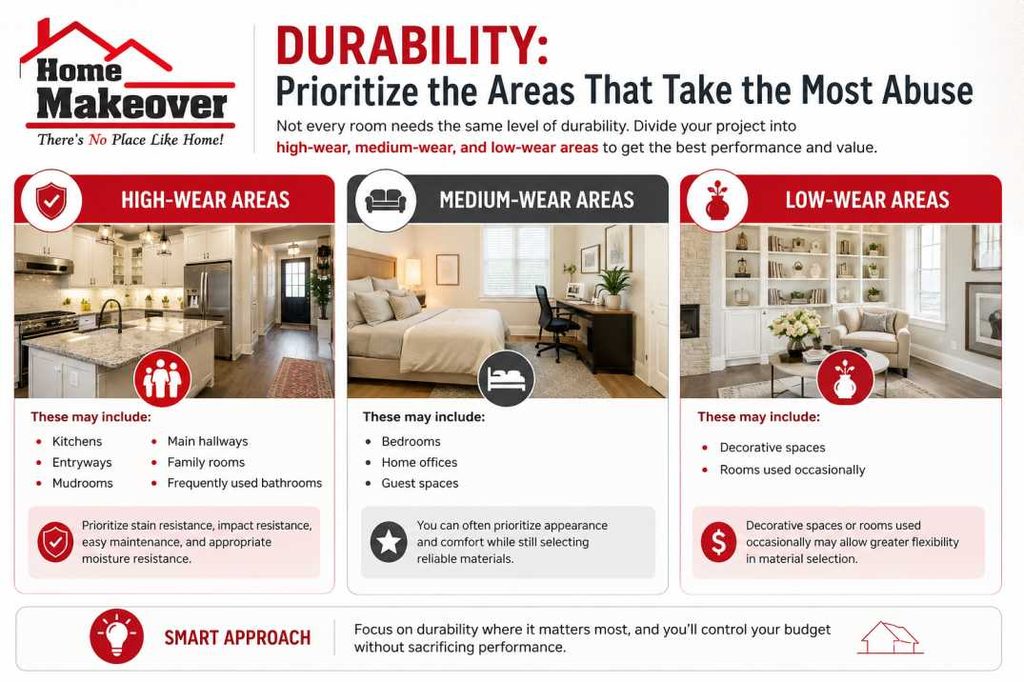
Durability: Prioritize the Areas That Take the Most Abuse

Not every room needs the same level of durability.

A useful strategy is to divide the project into high-wear, medium-wear, and low-wear areas.

High-Wear Areas

These may include:

  • Kitchens
  • Entryways
  • Mudrooms
  • Main hallways
  • Family rooms
  • Frequently used bathrooms

Prioritize stain resistance, impact resistance, easy maintenance, and appropriate moisture resistance.

Medium-Wear Areas

Bedrooms, home offices, and guest spaces may not require the same specifications.

You can often prioritize appearance and comfort while still selecting reliable materials.

Low-Wear Areas

Decorative spaces or rooms used occasionally may allow greater flexibility in material selection.

This approach can help control the overall budget without sacrificing performance where it matters most.
Prioritize the Areas That Take the Most Abuse

Premium Building Materials: When Are They Worth the Cost?

Premium building materials can be worthwhile, but they should solve a specific problem.

Consider paying more when the upgraded material provides a meaningful benefit such as:

  • Longer expected service life
  • Better moisture resistance
  • Improved energy performance
  • Greater resistance to heavy use
  • Easier maintenance
  • Better warranty protection
  • Superior compatibility with the existing structure

For example, investing in a durable countertop in a heavily used kitchen may make sense because replacing it later involves significant labor and disruption.

On the other hand, paying substantially more for a decorative finish in a low-use room may not provide an equivalent practical benefit.

A useful question is:

“What measurable benefit am I receiving for the additional cost?”

If the answer is unclear, investigate further.

Remodeling Products: Compare Specifications, Not Just Appearance

Showrooms are designed to make products look appealing. That is useful, but appearance should be only one part of your evaluation.

When comparing remodeling products, look for:

Manufacturer Specifications

Specifications can reveal information that is difficult to determine visually.

Depending on the product, check for:

  • Dimensions
  • Material composition
  • Performance ratings
  • Moisture resistance
  • Load ratings
  • Installation requirements
  • Cleaning instructions
  • Warranty terms

Warranty Details

A warranty is not a guarantee that something will never fail.

Read the actual conditions.

Check:

  • What is covered?
  • For how long?
  • Is labor included?
  • Are installation errors excluded?
  • Does professional installation have specific requirements?
  • Are certain cleaning products prohibited?

A long warranty is useful only when you understand what it actually protects.

Material Durability: Think About Maintenance, Not Just Lifespan

Durability is more than surviving for many years.

A material may technically last a long time but require demanding maintenance to remain attractive.

When evaluating a product, ask:

How much work will this material require from me?

For example, homeowners should consider:

  • Routine cleaning
  • Sealing requirements
  • Refinishing
  • Special cleaning products
  • Sensitivity to scratches
  • Resistance to staining
  • Replacement of individual components

A slightly more expensive product that requires substantially less maintenance may provide better practical value over its useful life.

Renovation Quality: Installation Can Make or Break Materials

A high-quality renovation is a complete system.

The contractor needs to understand how different components interact.

Consider a bathroom renovation. Tile is only one component. The overall result also depends on:

  • Substrate preparation
  • Waterproofing
  • Drainage
  • Tile layout
  • Grout selection
  • Sealants
  • Ventilation
  • Plumbing
  • Fixtures
  • Transitions

If one critical component is neglected, the performance of the entire installation can suffer.

The same principle applies to kitchens, basements, flooring installations, exterior renovations, and additions.

This is why homeowners researching residential home remodeling in Southern Indiana should evaluate both the proposed materials and the contractor’s approach to installation.

Long-Term Value: Don’t Choose Materials Based Only on Today’s Price

A renovation should be evaluated over its expected useful life.

Imagine two flooring options:

  • Option A costs less initially but may require replacement sooner and needs more maintenance.
  • Option B costs more but provides better durability, easier maintenance, and a longer expected service life.

The cheaper option may not actually be the less expensive choice over time.

A simple way to evaluate material value is to consider:

Initial cost + installation + maintenance + likely repairs + potential replacement

This does not produce a perfect financial calculation, but it provides a better framework than comparing purchase prices alone.

Long-term value is particularly important for materials that are difficult or expensive to replace.

Common Mistakes Homeowners Make When Selecting Materials

Choosing Based Only on Color

Color matters, but it tells you very little about performance.

Always evaluate specifications and maintenance requirements before making the final decision.

Selecting the Cheapest Product

The lowest initial price can sometimes result in higher long-term costs.

Ask why the product is less expensive and whether the difference affects durability or installation.

Ignoring Installation Requirements

Some products require specific substrates, adhesives, fasteners, underlayments, or preparation methods.

Ignoring those requirements can create performance problems.

Buying Materials Before Final Measurements

Ordering materials too early can create unnecessary waste or delays if dimensions change during demolition or preparation.

Assuming Trends Equal Quality

A material can be fashionable without being appropriate for your home.

Prioritize performance first, then aesthetics.

Failing to Check Availability

A product that is difficult to source can delay a project if replacement pieces or additional quantities become necessary.

Ask about lead times and product availability before committing.

Expert Advice: Questions to Ask Before You Buy

Before approving materials for your Home Remodeling Project, ask your contractor:

  1. Why is this material appropriate for this particular room?
  2. What alternatives did you consider?
  3. How does this product perform under local climate conditions?
  4. What maintenance will it require?
  5. What happens if part of the material needs to be replaced later?
  6. Is the product readily available?
  7. Are there manufacturer-specific installation requirements?
  8. What preparation is needed before installation?
  9. What does the warranty actually cover?
  10. What is the expected service life under normal residential use?

An experienced contractor should welcome these questions.

Good professionals understand that homeowners are making a significant investment and deserve to understand the reasoning behind material recommendations.

A Practical Material Selection Process

If you are preparing for a renovation, use this five-step process.

Step 1: Define the Function

Determine how the room will be used and what stresses the materials will experience.

Step 2: Identify Environmental Conditions

Consider moisture, temperature changes, sunlight, ventilation, and other relevant factors.

Step 3: Establish Your Budget

Create a realistic budget that includes both material and installation costs.

Step 4: Compare Performance

Evaluate durability, maintenance, warranties, specifications, and expected service life.

Step 5: Confirm Installation Compatibility

Before purchasing, make sure the material is compatible with the existing structure and planned installation method.

This process helps prevent decisions based entirely on showroom appearance or initial price.

How to Balance Appearance, Performance, and Budget

You do not have to choose between a beautiful home and a durable home.

The strongest remodeling decisions balance three factors:

Appearance + Performance + Cost

If you focus only on appearance, you may choose products that are difficult to maintain.

If you focus only on performance, you may end up with a finished space that does not reflect your preferences.

If you focus only on price, you may compromise longevity.

Instead, identify where your budget matters most.

For example, you might invest more in:

  • Kitchen cabinetry
  • Countertops
  • Primary bathroom surfaces
  • High-traffic flooring
  • Exterior materials
  • Energy-related improvements

And control costs through carefully selected finishes in lower-impact areas.

This creates a more balanced renovation without unnecessarily increasing the entire project budget.

Final Takeaway: Choose Materials for the Life of Your Home

The best material for a Home Remodeling Project is not necessarily the most expensive, newest, or trendiest option.

It is the material that fits the home’s structure, the room’s purpose, the local environment, your maintenance expectations, and your long-term budget.

When evaluating materials, look beyond appearance and price. Consider material durability, construction standards, renovation quality, maintenance, installation requirements, and long-term value.

Whether you are researching home remodeling services in Southern Indiana, comparing home improvement contractors in Louisville, or planning residential home remodeling in Southern Indiana, taking the time to understand your material choices can make the entire renovation more successful.

A well-planned project combines good design with appropriate products and sound installation practices. That approach can help your remodeled space remain attractive, functional, and dependable for years to come.

FAQS

1. What should I consider when choosing materials for a home renovation?

Start with the room’s function, moisture exposure, traffic level, maintenance requirements, expected lifespan, installation requirements, and budget. A suitable material should perform well under the actual conditions it will experience.

For example, a busy family kitchen requires different material considerations than a rarely used guest room. Discussing these conditions with a qualified remodeling professional can help narrow the options.

2. Are premium materials always better for a remodeling project?

No. Premium products can offer advantages, but the most expensive option is not automatically the most appropriate.

A higher-priced product is worth considering when it provides a meaningful improvement in durability, maintenance, performance, warranty coverage, or service life. The key is matching the product to the application rather than paying for features you do not need.

3. How does Southern Indiana and Louisville’s climate affect material selection?

Seasonal temperature changes, humidity, rainfall, and freeze-thaw conditions can affect different materials, particularly exterior products and moisture-sensitive assemblies.

Interior spaces such as bathrooms, kitchens, laundry rooms, and basements also require careful consideration of moisture management. Contractors should evaluate the complete installation rather than choosing products in isolation.

4. Should I buy remodeling materials myself?

It depends on the project and contractor arrangement.

Homeowners can sometimes purchase selected finishes themselves, but doing so without understanding quantities, specifications, lead times, compatibility, or installation requirements can create problems.

For many projects, it is more efficient to coordinate material procurement with the remodeling team, particularly for products that require professional installation or have manufacturer-specific requirements.

5. How can I tell whether a contractor recommends quality materials?

Ask the contractor to explain why a particular material is being recommended.

A knowledgeable professional should be able to discuss performance, durability, maintenance, installation requirements, warranty considerations, and alternatives.

Be cautious if recommendations are based only on statements such as “this is the best” without a clear explanation of how the product fits your project.
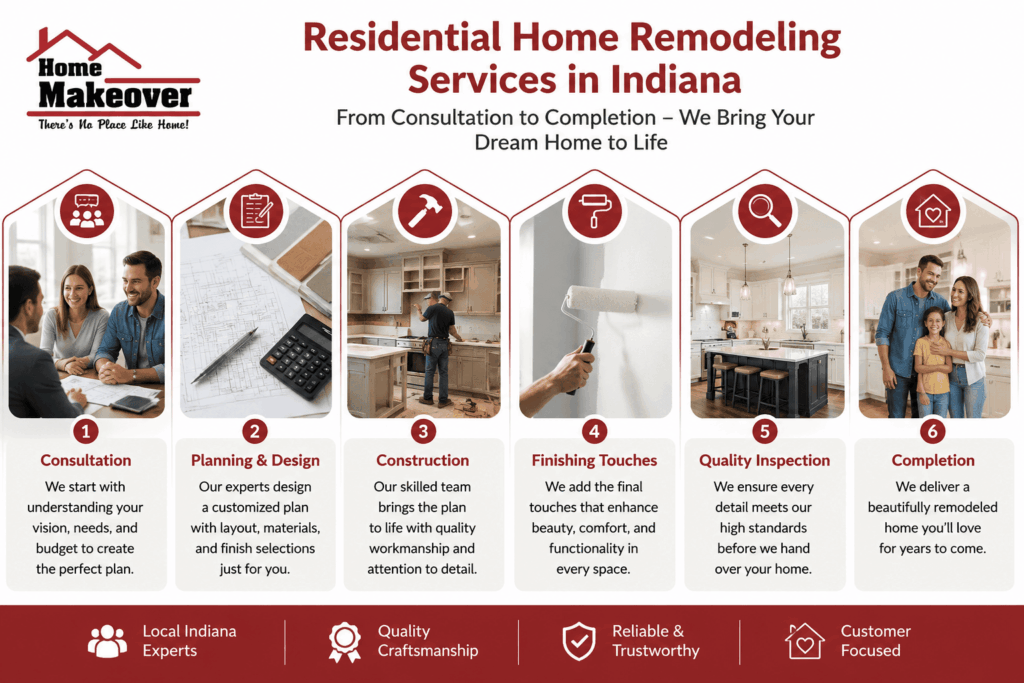
Residential Home Remodeling Services in Indiana: A Complete Timeline from Consultation to Project Completion

When homeowners begin researching residential home remodeling services in Indiana, one of the first questions they ask is, “How long will my project take?” Whether you’re updating a historic home, expanding your living space, or transforming an outdated property into a modern family home, understanding the remodeling timeline helps you prepare for each stage with confidence.

Many remodeling projects encounter delays not because of poor craftsmanship but because homeowners underestimate the planning, permitting, material lead times, and coordination involved. A successful remodel isn’t just about beautiful finishes—it’s about following a structured process that minimizes surprises and keeps expectations realistic.

Working with an experienced home remodeling contractor in Indiana gives homeowners a clearer roadmap from the first consultation to the final walkthrough. In this guide, we’ll explain each phase of the remodeling journey, share practical insights from real-world projects, highlight common mistakes, and provide expert tips that can help your renovation stay on schedule.

Why Understanding the Remodeling Timeline Matters?

A remodeling timeline does more than estimate completion dates. It helps homeowners:

  • Set realistic expectations
  • Plan temporary living arrangements if needed
  • Coordinate financing
  • Schedule material purchases
  • Reduce stress throughout construction
  • Avoid ly last-minute decisions

Every home is unique, and no two remodeling projects follow the same schedule. Factors such as project size, structural changes, permit approvals, weather, and product availability all influence the timeline.

For homeowners considering residential home remodeling services in Indiana, understanding each step creates confidence before construction even begins.

Consultation and Planning: The Foundation of Every Successful Remodel

The consultation stage often determines whether a remodeling project becomes smooth or stressful.

Professional home remodeling contractors in Indiana typically begin by discussing:

  • Your goals
  • Lifestyle needs
  • Budget
  • Timeline expectations
  • Existing home challenges
  • Plans for the property

This stage is about discovering what matters most to the homeowner—not simply selecting finishes.

Real-World Insight

Many homeowners initially request larger kitchens but later realize they actually need better storage and improved traffic flow. An experienced remodeling professional asks questions that uncover these priorities before designs begin.

Planning may include:

  • Measuring existing spaces
  • Reviewing structural conditions
  • Creating conceptual layouts
  • Discussing potential design options
  • Identifying possible challenges early

Taking extra time during planning often prevents weeks of delays later.

Design Development and Construction Schedule

Once goals are established, the design process begins.

A realistic construction schedule includes multiple planning milestones before physical work starts.

These often include:

  • Design revisions
  • Budget adjustments
  • Material selections
  • Engineering review
  • Permit preparation
  • Contractor scheduling

Depending on project complexity, this phase may take several weeks.

Custom cabinetry, specialty windows, imported tile, and premium fixtures often have long lead times. Ordering these items early helps keep the project moving once construction begins.

Remodeling Phases: Breaking the Project into Manageable Steps

Understanding the major remodeling phases makes the overall process less overwhelming.

Instead of viewing the renovation as one massive project, think of it as several connected milestones.

Typical phases include:

  • Planning
  • Design
  • Permits
  • Demolition
  • Structural work
  • Mechanical systems
  • Insulation
  • Drywall
  • Interior finishes
  • Final inspections
  • Project completion

Each stage builds on the previous one, making quality workmanship essential from start to finish.

Demolition: More Than Just Tearing Things Out

Many homeowners assume demolition is the fastest part of remodeling.

While removing old materials may happen quickly, careful demolition protects structural components and utilities.

Professional demolition often includes:

  • Protecting surrounding rooms
  • Disconnecting utilities safely
  • Salvaging reusable materials
  • Identifying hidden structural issues
  • Removing debris responsibly

Practical Example

During kitchen demolition, contractors occasionally discover outdated wiring or water damage hidden behind cabinets. Finding these issues early allows proper repairs before rebuilding begins.

Although unexpected discoveries may slightly extend timelines, addressing them immediately prevents larger problems later.

Framing: Building the New Structure

After demolition comes framing, when the home’s new layout begins to take shape.

This stage may involve:

  • Building new walls
  • Removing non-load-bearing walls
  • Reinforcing structural supports
  • Creating larger openings
  • Expanding living areas
  • Installing new windows and doors

Homeowners often find framing exciting because they can finally visualize the redesigned space.

Structural modifications require careful precision to ensure long-term durability and code compliance.

Mechanical Systems and Inspections

Before walls are closed, electricians, plumbers, and HVAC professionals complete their work.

This stage includes:

  • Electrical wiring
  • Plumbing installation
  • HVAC modifications
  • Ventilation improvements
  • Smart home wiring
  • Network cabling

Following these installations, local inspections verify compliance with building codes.

Passing inspections confirms that hidden systems meet safety standards before insulation and drywall conceal them.

Although inspection scheduling can cause brief delays, these reviews protect homeowners and ensure quality construction.

Interior Finishing: Where the Vision Comes Together

The finishing stage transforms a construction site into a beautiful living space.

Typical finishing work includes:

  • Drywall finishing
  • Interior painting
  • Flooring installation
  • Cabinet installation
  • Countertops
  • Trim work
  • Interior doors
  • Lighting fixtures
  • Plumbing fixtures
  • Hardware installation

This phase requires patience because many skilled trades work sequentially rather than simultaneously.

Attention to detail becomes increasingly important during finishing since even small imperfections become highly visible.

Final Walkthrough and Project Completion

Before declaring the project complete, experienced contractors perform a comprehensive walkthrough.

This review includes:

  • Testing electrical systems
  • Checking plumbing fixtures
  • Verifying cabinet alignment
  • Inspecting paint quality
  • Confirming door operation
  • Reviewing flooring
  • Completing punch-list items

Professional home renovation services in Louisville Metro and Southern Indiana focus on resolving small details before the homeowner moves back into the space.

Final documentation may include warranties, maintenance recommendations, and care instructions for new materials.

Factors That Can Affect Your Remodeling Timeline

Even the best-planned projects sometimes experience delays.

Common timeline factors include:

  • Material Availability

Special-order products may require several weeks or months for delivery.

  • Permit Approval

Municipal review timelines vary depending on project complexity.

  • Weather Conditions

Exterior remodeling often depends on seasonal weather.

  • Design Changes

Mid-project changes usually increase both costs and completion time.

  • Hidden Conditions

Older homes sometimes reveal structural damage, outdated plumbing, or electrical issues once walls are opened.

Preparing for these possibilities helps reduce frustration when unexpected situations arise.

Common Remodeling Mistakes Homeowners Should Avoid

  • Making Decisions Too Late

Selecting finishes after construction begins often delays ordering and installation.

  • Choosing Price Over Experience

The lowest bid doesn’t always represent the best long-term value.

Experienced professionals often identify problems before they become expensive repairs.

  • Ignoring Contingency Budgets

Most remodeling professionals recommend reserving approximately 10–20% of the project budget for unforeseen conditions.

  • Constant Scope Changes

Changing layouts after framing begins creates scheduling disruptions and additional costs.

  • Expecting Every Project to Follow the Same Timeline

Every property presents unique challenges.

Comparing your project to someone else’s renovation can create unrealistic expectations.

Expert Tips for a Smoother Remodeling Experience

Professionals who have managed successful remodeling projects consistently recommend these strategies:

  • Communicate Regularly

Weekly progress meetings help prevent misunderstandings.

  • Make Finish Selections Early

Choosing flooring, fixtures, cabinetry, and paint before construction begins minimizes delays.

  • Trust the Process

Some stages appear slow because inspections, curing times, or specialty installations require patience.

  • Prepare for Temporary Inconvenience

Dust, noise, limited room access, and schedule adjustments are normal during major renovations.

  • Work With Experienced Professionals

Hiring qualified home remodeling contractors in Indiana improves coordination among designers, subcontractors, inspectors, and suppliers.

How a Well-Planned Timeline Protects Your Investment?

A remodeling project represents one of the largest investments many homeowners will make.

An organized timeline helps:

  • Improve construction quality
  • Protect your budget
  • Reduce scheduling conflicts
  • Increase communication
  • Maintain realistic expectations
  • Deliver better long-term results

When each phase receives proper attention, homeowners enjoy not only a more beautiful home but also fewer maintenance issues in the future.

Conclusion

A successful remodeling project isn’t measured solely by the finished appearance—it’s measured by how efficiently the journey unfolds from consultation to completion. Understanding the timeline behind residential home remodeling services in Indiana allows homeowners to make informed decisions, prepare for each stage, and avoid many of the common frustrations associated with renovation.

From careful planning and thoughtful design to demolition, framing, inspections, and finishing, every phase plays a critical role in delivering lasting results. Home Makeover Pro transforms houses into beautiful, functional living spaces with expert remodeling solutions, quality craftsmanship, and personalized service across Louisville Metro and Southern Indiana. Partnering with an experienced home remodeling contractor in Indiana ensures the process is guided by expertise, clear communication, and practical problem-solving. Whether you’re updating a single room or undertaking a whole-home transformation, a realistic schedule and a trusted team will help turn your vision into a home that serves your family for years to come.

FAQs

1. How long does residential home remodeling in Indiana usually take?

The timeline depends on the project’s size and complexity. Smaller renovations may take several weeks, while whole-home remodels often require several months. Planning, permits, material availability, inspections, and weather can all influence the overall schedule. A detailed timeline provided before construction begins helps homeowners understand what to expect.

2. Why is the planning stage so important before remodeling begins?

Planning reduces costly surprises during construction. It allows homeowners to finalize layouts, establish realistic budgets, select materials, identify structural concerns, and coordinate permits before work starts. Investing more time upfront often results in fewer delays and smoother project execution.

3. What happens if contractors discover hidden problems during demolition?

Older homes sometimes reveal water damage, outdated wiring, plumbing issues, or structural deterioration once walls or floors are opened. Addressing these problems immediately helps protect the home’s safety and prevents more expensive repairs later. While this may slightly extend the schedule, it ensures the finished remodel is built on a solid foundation.

4. How can homeowners help keep a remodeling project on schedule?

The best way to avoid delays is to make design decisions and product selections early, communicate regularly with the project team, respond promptly to questions, and avoid making significant layout changes once construction has begun. Maintaining flexibility for unexpected conditions also contributes to a smoother experience.

5. Why should I choose experienced home remodeling contractors in Indiana instead of managing multiple trades myself?

Experienced home remodeling contractors in Indiana coordinate scheduling, permits, inspections, subcontractors, materials, and quality control throughout the project. Their expertise helps reduce communication gaps, minimize delays, maintain construction standards, and keep the remodeling process organized from consultation through completion.

The Ultimate Home Remodeling Planning Guide for Southern Indiana & Louisville Homeowners (2026 Edition)

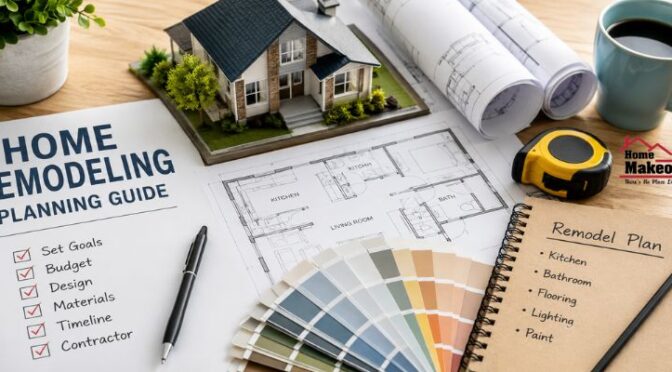
Planning a remodel is exciting, but it can also become overwhelming if you don’t know where to start. Whether you’re updating a dated kitchen, expanding your living space, or giving your entire property a fresh look, success depends on careful preparation—not just quality craftsmanship. This Home Remodeling Planning Guide is designed to help homeowners make informed decisions before the first wall comes down.

Many homeowners rush into renovations after collecting a few inspiration photos online. Unfortunately, skipping the planning phase often leads to budget overruns, delays, design changes, and unnecessary stress. That’s why experienced professionals always recommend creating a clear roadmap before hiring anyone or purchasing materials.

If you’re considering home remodeling services in Southern Indiana, this guide will walk you through everything you need to know—from setting realistic expectations and budgeting to choosing the right professionals and avoiding common remodeling mistakes.

Why Planning Matters More Than the Remodel Itself

Every successful remodeling project begins long before demolition starts.

Whether you’re renovating a historic Southern Indiana home or modernizing a Louisville property, thoughtful planning helps ensure every decision supports your long-term goals.

Without a proper plan, homeowners often experience:

  • Unexpected costs
  • Material shortages
  • Permit issues
  • Poor contractor communication
  • Design regrets
  • Extended construction timelines

Good planning transforms remodeling from a stressful experience into an organized investment that increases both comfort and property value.

Understanding Today’s Home Remodeling Trends

Homeowners across Southern Indiana and Louisville are remodeling differently than they were just a few years ago.

Popular priorities include:

  • Flexible living spaces
  • Energy-efficient upgrades
  • Open floor plans
  • Larger kitchens
  • Spa-inspired bathrooms
  • Home offices
  • Aging-in-place features
  • Durable, low-maintenance materials

Rather than simply making homes look newer, modern remodeling focuses on improving everyday functionality.

Home Remodeling Planning Guide: Where Every Project Should Begin

Before selecting finishes or talking with builders, spend time defining exactly what you want to accomplish.

Ask yourself:

  • Why am I remodeling?
  • What problems am I trying to solve?
  • Which rooms matter most?
  • Will I stay in this home long-term?
  • How much disruption can my family tolerate?

Your answers become the foundation for every future decision.

For example:

A family with young children may prioritize durable flooring and extra storage.

Empty nesters might focus on accessibility upgrades and entertaining spaces.

Each remodeling project should fit the homeowner—not current design trends.

Home Remodeling: Define Your Priorities Before Your Budget

Many homeowners start with a number.

Professionals often recommend starting with priorities instead.

Separate your wish list into three categories:

Must-Haves

  • Roof repairs
  • Structural improvements
  • Plumbing updates
  • Electrical upgrades
  • Water damage repairs

Should-Haves

  • Kitchen redesign
  • Bathroom renovation
  • Flooring replacement
  • Better storage
  • Lighting improvements

Nice-to-Haves

  • Decorative finishes
  • Luxury appliances
  • Custom shelving
  • Outdoor entertainment spaces

This approach helps protect your budget if unexpected issues arise.

Planning Your Budget Without Surprises

One of the biggest remodeling mistakes is budgeting only for visible improvements.

Experienced remodelers recommend including:

  • Materials
  • Labor
  • Permits
  • Design fees
  • Inspections
  • Temporary accommodations (if necessary)
  • Waste removal
  • Contingency fund

A contingency reserve of approximately 10–20% can help cover hidden structural issues commonly discovered once walls or flooring are opened.

Budget flexibility often determines whether a project stays enjoyable or becomes stressful.

Renovation Planning: Creating a Realistic Timeline

Every remodeling project takes longer than most homeowners expect.

Instead of asking,

“How quickly can this be finished?”

Ask,

“What timeline allows quality work without unnecessary pressure?”

Factors affecting schedules include:

  • Permit approvals
  • Material availability
  • Weather
  • Custom product lead times
  • Inspection schedules
  • Change orders
  • Contractor availability

Building extra time into your expectations reduces frustration later.

Choosing the Right Contractor

Selecting the right contractor is often more important than selecting the perfect design.

When interviewing remodeling professionals, ask:

  • Are you licensed and insured?
  • Can you provide recent references?
  • How are change orders handled?
  • Who supervises the project?
  • What is your communication process?
  • How often will I receive progress updates?

Good contractors appreciate informed clients.

Transparent communication usually prevents costly misunderstandings.

When comparing home remodeling contractors in Indiana, don’t focus solely on the lowest estimate. Experience, reputation, and project management often provide far greater long-term value.

Whole House Renovation vs. Room-by-Room Remodeling

Many homeowners struggle with deciding whether to remodel everything at once or renovate gradually.

Whole House Renovation

Advantages:

  • Better design consistency
  • Lower overall disruption
  • More efficient scheduling
  • Coordinated mechanical upgrades
  • Better long-term value

Challenges:

  • Higher initial investment
  • Temporary relocation may be necessary

Room-by-Room Remodeling

Advantages:

  • Smaller financial commitment
  • Easier budgeting
  • Less immediate disruption

Challenges:

  • Longer overall project timeline
  • Material inconsistencies
  • Multiple construction periods

The right option depends on your goals, finances, and lifestyle.

Renovation: Common Areas That Deliver Strong Value

Not every remodeling project delivers equal returns.

Projects homeowners consistently appreciate include:

Kitchen Updates

  • Better workflow
  • More storage
  • Improved lighting
  • Energy-efficient appliances

Bathroom Renovations

  • Safer layouts
  • Modern fixtures
  • Improved ventilation

Living Areas

  • Open layouts
  • Better natural light
  • Built-in storage

Basements

  • Additional living space
  • Home offices
  • Entertainment rooms

Exterior Improvements

  • New siding
  • Roofing
  • Windows
  • Entry doors

These projects improve both everyday living and resale appeal.

Remodeling Consultation: Why Early Professional Advice Matters

Scheduling a remodeling consultation before making design decisions can save thousands of dollars.

Experienced professionals help identify:

  • Structural limitations
  • Code requirements
  • Budget priorities
  • Design opportunities
  • Material alternatives

A consultation often uncovers smarter solutions homeowners hadn’t considered.

Remodeling Checklist Before Construction Begins

Every homeowner should complete a detailed remodeling checklist before work starts.

Include:

  • Finalized design plans
  • Approved permits
  • Material selections
  • Payment schedule
  • Construction timeline
  • Temporary storage plan
  • Pet arrangements
  • Daily communication expectations
  • Emergency contact information

Preparation minimizes confusion throughout the project.

Budget-Friendly Upgrades That Make a Big Difference

Not every improvement requires a major investment.

Smaller upgrades often provide impressive results:

  • Fresh interior paint
  • Updated lighting fixtures
  • Cabinet refinishing
  • New hardware
  • Modern trim
  • Energy-efficient windows
  • Smart thermostats
  • Improved insulation

These improvements can significantly enhance comfort without requiring major demolition.

Common Remodeling Mistakes Homeowners Should Avoid

Even carefully planned projects can run into problems.

Avoid these common mistakes:

Hiring Based Only on Price

The cheapest quote may exclude important work or use lower-quality materials.

Changing the Design Mid-Project

Frequent changes create delays and increase costs.

Ignoring Future Needs

Plan for your lifestyle five to ten years from now—not just today.

Buying Materials Too Late

Custom products often require several weeks or months to arrive.

Skipping Written Agreements

Every detail should be documented before work begins.

Expert Tips from Experienced Remodeling Professionals

Years of remodeling projects reveal patterns that successful homeowners consistently follow.

Experienced professionals recommend:

  • Finalize your design before construction starts.
  • Visit completed projects whenever possible.
  • Keep communication consistent.
  • Prioritize quality craftsmanship over trendy finishes.
  • Invest in structural improvements before cosmetic upgrades.
  • Expect minor surprises in older homes.
  • Document every change in writing.
  • Choose durable materials for high-traffic areas.

These habits reduce stress and improve long-term satisfaction.

Real-Life Scenario

Imagine a homeowner in Southern Indiana planning to remodel a 1990s kitchen.

Initially, the focus was new cabinets and countertops.

During planning, the contractor discovered:

  • Insufficient electrical capacity
  • Plumbing that required updates
  • Poor insulation behind exterior walls

Addressing these issues before installing finishes prevented future repairs and protected the homeowner’s investment.

This is exactly why thorough planning matters.

Why Local Experience Makes a Difference

Regional remodeling comes with unique considerations.

Older Southern Indiana homes may require structural updates.

Properties in home remodeling in Louisville projects often involve historic design requirements, neighborhood guidelines, or older plumbing and electrical systems.

Professionals familiar with local building practices understand these challenges and can anticipate potential issues before they become expensive surprises.

Final Thoughts

A successful remodel isn’t determined by expensive finishes or trendy designs—it’s built on thoughtful preparation, realistic expectations, and informed decisions. This Home Remodeling Planning Guide shows that careful planning, clear communication, and experienced guidance are the keys to achieving results you’ll enjoy for years.

Whether you’re updating a single room or planning an entire renovation, investing time in the planning stage helps protect your budget, reduce stress, and create a home that truly fits your lifestyle. When you’re ready to explore home remodeling services in Southern Indiana, working with experienced professionals like Home Makeover Pro can make the process smoother from concept to completion. By combining careful planning with trusted craftsmanship, Home Makeover Pro helps homeowners create spaces that are both beautiful and practical. Taking the time to plan today ensures your remodeling investment delivers lasting value for years to come.

FAQs

1. How far in advance should I start planning a home remodeling project?

Ideally, begin planning at least three to six months before construction starts. This allows enough time for design decisions, budgeting, permits, contractor selection, and ordering materials that may have long lead times.

2. How do I know if my remodeling budget is realistic?

A realistic budget accounts for labor, materials, permits, inspections, and a contingency fund of 10–20% for unforeseen issues. Consulting with an experienced remodeling professional early can help align your expectations with actual project costs.

3. Is it better to remodel my entire home at once?

If your budget allows, a whole house renovation often provides better design consistency, improved efficiency, and fewer disruptions compared to completing projects one room at a time. However, phased remodeling may be the better option if you prefer spreading costs over time.

4. What should I look for when hiring a remodeling contractor?

Look for a licensed contractor with verified insurance, positive customer reviews, recent project examples, transparent pricing, written contracts, and a clear communication process. Ask detailed questions about timelines, supervision, warranties, and how unexpected changes will be managed.

5. How can I avoid delays during my remodeling project?

Delays are minimized by finalizing design choices before construction, ordering materials early, maintaining regular communication with your contractor, responding quickly to decisions, and avoiding unnecessary changes once work has begun. Careful planning remains the most effective way to keep a remodeling project on schedule.

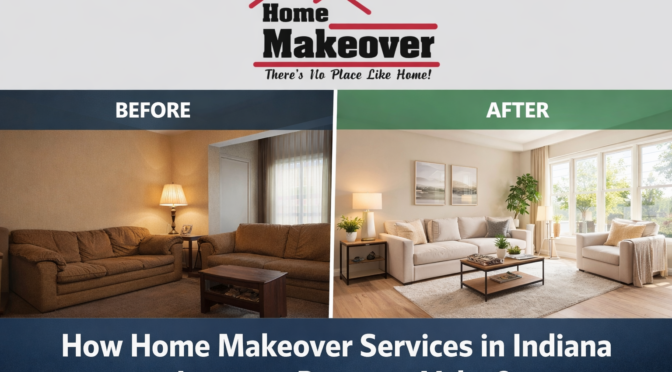
How Home Makeover Services in Indiana Increase Property Value?

One of the best strategies of maximizing property value and enhancing comfort in day-to-day living is to invest in home makeover services in Indiana. The strategic upgrades contribute to the structural integrity and modernization of design along with aligning your home with the buyer expectations in the Indiana real estate market.

At Home Makeover, we specialize in making value additions based on construction methods that are compliant, tools that are professional in nature and materials that are long lasting. Our strategy provides each upgrade with quantifiable fiscal payback along with enhancing long-term property performance.

Home Improvement to Boost Your Home’s Selling Price in Indiana

Upgrades do not boost resale value equally. Effective home improvement projects revolve around functionality, safety and aesthetics up to the local building standards. The specific gains minimize buyer objections, enhance inspection results and increase appraisal values. This renders home renovation a strategic investment and not an aesthetic cost.

What Defines High-Value Home Remodeling Services?

Planned and well-coordinated construction, knowledgeable performance, and adherence to building codes are the premises of high-value home remodeling services. Value-based renovations do not deal with superficial modifications; they deal with layout efficiency and energy performance as well as material durability. We have professional-grade tools and licensed contractors, which can turn outdated space into a modern, market-ready environment that can get more serious offers.

Core Features of Value-Driven Remodeling

  • Professional Design Planning & Layout Optimization

We analyze room flow, lighting access, and spatial usage before construction begins. This improves livability while increasing perceived square footage and buyer appeal.

  • Compliance-Based Construction Methods

Every structural change is based on the Indiana building codes and inspection regulations. This makes them legally compliant and avoids any problems associated with resale in the future or expensive remedies.

The Role of Home Renovation in Property Value Growth

Home renovation increases the functional performance and aesthetic value. Customers give emphasis to kitchens, bathrooms and living spaces that are of good workmanship and current design requirements. The strategic home renovation minimizes the issues related to maintenance, enhances energy conservation, and the durability of materials and makes the property more appealing to the appraisers and investors.

Renovation Areas With Highest ROI

  • Kitchen & Bathroom Modernization

New systems of cabinetry, fixtures, and plumbing enhance usefulness and appearance. Such areas heavily affect buyer perception and play a big part in ultimate sale prices.

  • Structural & Layout Enhancements

Open spaces, strengthened floors and enhanced wall provisions enhance efficiency of the space. This makes the older homes contemporary and enhances competitiveness in the market.

House Renovation Services and Buyer Confidence

Professional house renovation services improve buyer confidence by demonstrating that upgrades were completed safely and legally. Documentation, inspections, and material quality reduce uncertainty during the sales process. Well-executed renovations prevent hidden defects, moisture issues, and electrical risks, which are common deal-breakers in property transactions.

Buyer Trust Factors in Renovation Projects

  • Certified Materials & Installation Standards

We use pressure-rated plumbing fittings, moisture-resistant wall systems, and fire-rated insulation. This protects the property from deterioration and supports long-term structural performance.

  • Inspection-Ready Workmanship

Projects are completed with inspection readiness in mind, including framing, wiring, and load-bearing integrity. This speeds up property sales and minimizes buyer negotiation leverage.

Tools & Equipment Used in Professional Home Makeovers

Professional upgrades rely on specialized tools and construction systems to ensure precision and durability. These tools reduce waste, improve accuracy, and control project timelines. By replacing manual methods with calibrated equipment, our home makeover services achieve consistent quality and predictable outcomes.

Technology Supporting High-Value Renovation

  • Laser Measurement & Leveling Systems

These tools ensure precise wall alignment, cabinetry placement, and flooring installation. This improves visual symmetry and prevents uneven structural loads.

  • Dust-Control & Ventilation Equipment

Controlled airflow systems limit debris spread and protect indoor air quality. This preserves occupant health and reduces post-renovation cleanup costs.

Emergency Repairs vs Planned Renovations

Emergency repairs focus on stopping damage, while planned renovations focus on value creation. Burst pipes, roof leaks, or electrical failures often force reactive spending without improving resale appeal. Planned renovations integrate safety upgrades with design improvements, allowing homeowners to increase property value while reducing long-term maintenance risk.

Problem-Solution Remodeling Approach

  • Reactive Repair From Neglect

Delayed maintenance often results in hidden mold, framing decay, and wiring faults. These issues reduce property value and increase inspection failures.

  • Proactive Renovation Strategy 

Planned upgrades replace failing systems with compliant materials and modern layouts. This strengthens property integrity while increasing market desirability.

Why Home Makeover Services Deliver Better ROI

Professional renovation focuses on return on investment rather than decorative trends. Proper planning ensures funds are spent where buyers and appraisers place the highest value. Our home makeover services provide financial efficiency by preventing wasted materials, unnecessary demolition, and repeat labor.

Financial Benefits of Professional Remodeling

Reduced Long-Term Maintenance Costs

Upgraded plumbing, insulation, and structural materials reduce future repair needs. This increases property appeal and lowers ownership risk for buyers.

Improved Appraisal & Market Positioning

Modern layouts and compliant installations raise comparable property valuations. This supports higher listing prices and faster sales.

Why Choose Home Makeover in Indiana

Licensed & Insured Renovation Professionals

  • Regulatory Compliance & Construction Safety

All renovation work follows Indiana building codes and safety standards. This ensures your property remains legally compliant and structurally secure.

  • Insurance Protection for Property Owners

Projects are fully insured to protect against accidental damage during construction. This provides peace of mind throughout the renovation process.

Transparent Pricing & Structured Project Planning

  • Upfront Cost Breakdown & Work Scope

Clients receive a clear outline of materials, labor, and timelines before work begins. This prevents budget overruns and unexpected charges.

  • Controlled Project Execution

Each phase of construction follows a documented workflow. This ensures deadlines are met without sacrificing workmanship quality.

Local Expertise Across Indiana

  • Knowledge of Local Housing Styles & Regulations

Understanding Indiana home designs and permit requirements allows efficient upgrades. This ensures smoother approvals and consistent renovation results.

  • Residential & Investment Property Support

Services are structured for both homeowners and property investors. This allows scalable solutions for different renovation goals.

Ready to Increase Your Home Value With Professional Home Makeover Services?

Boosting your property’s market appeal requires more than cosmetic changes. With structured planning, compliant construction methods, and durable materials, your renovation becomes a long-term investment rather than a short-term expense. Our home makeover services in Indiana focus on upgrades that improve functionality, safety, and visual impact while aligning with Indiana building standards. From layout improvements to modern finishes, every step is designed to deliver measurable value and buyer confidence. Contact Home Makeover today to schedule your consultation and start your home makeover project with professionals who prioritize quality, compliance, and return on investment.

Add Value with Budget-Friendly Home Remodeling Services for Older Houses

Old houses have a touch of charm, character, and beauty that can last forever but they also have old-fashioned layouts, aged materials, and required repairs that can interfere with comfort and property values. At Home Makeover, we strive to offer home remodeling services for older houses, which can help you transform these challenges into opportunities with affordable, high-impact renovation solutions tailored to your home’s unique needs.

You may want to update your kitchen, fix structural problems, increase the functionality, or update the outdated finishes, our team is ready to take you through each stage of your makeover process.

Home Remodeling Ideas for Small Houses–Perfect Use of Limited Space

Even when you are living in a small house, clever design is the trick to make a place look open, organized, and functional. As experts in home remodeling ideas for small houses, we help you maximize every inch with creative solutions that increase comfort and improve your home’s long-term value.

Small Space Upgrades That Make a Big Difference

  • Open-concept layouts for better flow
  • Built-in storage to reduce clutter
  • Multi-purpose rooms for flexible living
  • Bright, modern finishes to add visual space
  • Energy-efficient lighting for improved ambiance

When you trust our team, you get lasting improvements suited to your lifestyle—without the overwhelming cost of major rebuilding.

Restore, Repair, and Revitalize with Professional Home Remodeling

Our home remodeling services for older houses focus on maintaining structural integrity while bringing modern style and convenience into your living spaces. Older houses may require more than cosmetic fixes and improvements, they can also need essential renovations to maintain long-term safety and value.

What We Commonly Upgrade in Older Homes

  • Outdated electrical and plumbing systems
  • Weak or damaged flooring
  • Ageing windows and insulation
  • Moisture-affected walls and ceilings
  • Interior layouts that no longer suit modern living

Your older home can feel brand-new again with the right renovation strategy—and we’re here to deliver it with care and craftsmanship.

Top Home Remodeling Ideas for Small Houses

Working with tight spaces doesn’t mean sacrificing style or function. From reimagining compact kitchens to refreshing small bathrooms, we apply home remodeling ideas for small houses that make your rooms perform better without requiring major structural changes.

Budget-Friendly Ideas We Love

  • Converting awkward corners into usable features
  • Updating cabinets instead of replacing them
  • Using sliding or pocket doors to save space
  • Choosing light, neutral tones to brighten rooms
  • Adding efficient storage solutions under stairs or in hallways

Small homes can feel spacious when upgraded with the right vision.

Addressing Moisture, Damage, and Wear with Home Remodeling Services

Older homes often suffer hidden damage caused by leaks, humidity, and outdated materials. Our team specialises in home remodeling for moisture damage repair, ensuring your home remains safe, dry, and structurally sound before any surface upgrades begin.

How We Protect Your Home from Moisture Damage

  • Inspecting for leaks or weakened materials
  • Replacing damaged drywall or insulation
  • Improving ventilation systems
  • Waterproofing basements and crawl spaces
  • Restoring flooring or wall structures

Repairing moisture-affected areas early preserves your home’s integrity and prevents costly future problems.

Basement Finishing and Remodeling Services to Add Living Space

A finished basement is one of the most effective ways to expand your home without building an addition. Our basement finishing and remodeling services can turn unused spaces into family rooms, offices, rental suites, gyms, or entertainment areas.

Benefits of Finishing Your Basement

  • Increased property value
  • More functional living space
  • Better temperature control
  • Improved storage options
  • Opportunity for rental income

Your basement holds incredible potential—let us help you unlock it.

Affordable Design Options for Every Style

  1. Modern Minimalist
    Perfect for clean lines and clutter-free living.
  2. Classic Traditional
    Ideal for preserving the charm of an older home.
  3. Rustic or Farmhouse
    Warm, homey, and full of texture.
  4. Contemporary Chic
    Bold accents with sleek finishes.

We customize every renovation to match your preferences and your home’s original character.

Why Budget-Friendly Remodeling Still Produces Big Results

High-quality results don’t always require high budgets. With strategic planning and smart material selection, we help you save money while still achieving beautiful, durable upgrades.

Our Approach to Affordable Transformation

  • Prioritizing essential repairs before cosmetic fixes
  • Reusing or refurbishing where possible
  • Recommending long-lasting, cost-effective materials
  • Providing transparent pricing and adaptable packages

We help you make every dollar count.

Hire Our Professional Home Remodeler Contractors

Before starting any renovation—whether small or large—it’s essential to hire professional home remodeler contractors who understand the unique challenges of older homes. Our experienced team ensures your project meets safety standards while achieving stunning visual results.

How We Help You Plan Your Remodel

✓ On-Site Assessment
We evaluate your home’s structure, age, and layout to recommend the safest and most impactful improvements.
✓ Customised Design
We work with you to create a renovation plan that fits your budget, style, and long-term goals.
✓ High-Quality Materials
We use trusted products that withstand time, moisture, and everyday wear.
✓ Skilled Craftsmanship
Our contractors bring years of experience to every project.
✓ Clear Communication
We keep you informed from start to finish—no surprises, no confusion.

Ready to Transform Your Older Home on a Budget?

At Home Makeover, we are of the opinion that any home, regardless of its age or size, should be given meaningful upgrades that improve its beauty, comfort, and value. We are here to assist you to make your vision come true with affordable, practical, and classy renovation solutions.

It might be structural maintenance, smart remodeling or overall changes, but we are there to take you through it step by step. Give us a call today and we can start changing your older house into the place you have always imagined.