Address
SELLERSBURG, IN 47172


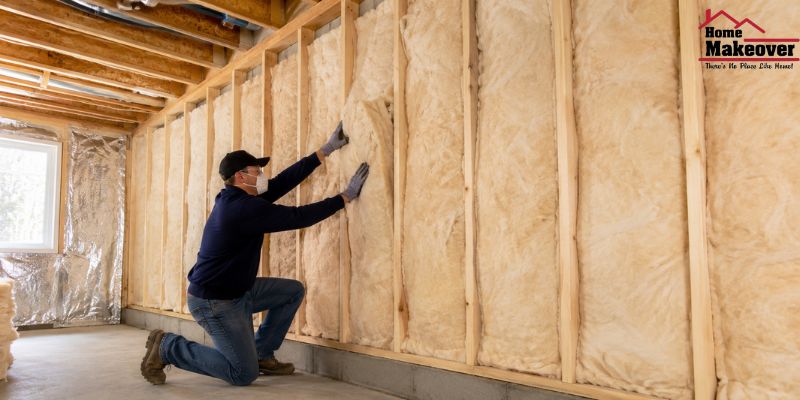
A basement isn’t just for storing old items anymore! Today’s basements are transformed into family rooms, offices, gyms, entertainment spaces, and even extra bedrooms. Unfortunately, this vital part of our homes is typically ignored when planning basement insulation projects. Neglecting basement insulation leads to high heating bills, uncomfortable indoor temperatures, and moisture problems that impact the rest of your home. We’re here to change that with our comprehensive guide covering all things related to basement insulation.
Understanding the basement insulation importance is essential for homeowners who want a healthier, more energy-efficient property. Beyond keeping your basement warm during winters, proper insulation helps to regulate temperature throughout all seasons, cut down on energy waste, control moisture levels, and protect the structure of your entire house.
Whether you are completing the basement or enhancing your old property with more features, making sure that there’s good insulation involved will ensure long term comfort and savings for you and your family.
Most homeowners assume that their homes lose heat via the roof or exterior walls. However, if you have an uninsulated basement, it may have a significant influence on how warm (or cool) the rest of the house gets. Basements tend to stay cooler than upper stories because they’re encircled by soil and concrete. If your basement lacks proper insulation, this cold air will likely permeate throughout the home, prompting your heating system to work overtime to keep things warm indoors.
Proper insulation helps by:
Homeowners often notice that upstairs rooms become easier to heat once basement insulation has been upgraded.
Not every insulation product performs the same way. The ideal solution depends on your basement’s construction, climate, moisture levels, and intended use.
Fiberglass remains one of the most commonly used insulation materials due to its affordability and thermal performance.
Advantages include:
However, fiberglass performs best when moisture is carefully controlled.
Rigid foam insulation offers excellent thermal resistance and can help reduce moisture penetration. Rigid foam insulation is often installed against concrete foundation walls prior to installing the interior framing.
Benefits include:
Spray foam offers an insulation and air seal solution with just one application. Foam expansion fills in small gaps and cracks minimising unwanted air leakage while also improving energy performance.
Although the initial investment may be higher, many homeowners appreciate its long-term efficiency benefits.
A common misconception when dealing with basement problems is that adding more insulation will take care of your problem. This isn’t true, especially if you’re working on moisture related problems. Basements tend to have high levels of humidity since they are underground. If you don’t manage this properly then moisture can build up behind your newly insulated walls leading to mold, mildew and structural damage.
Effective moisture management often includes:
Addressing these issues before insulating helps ensure long-lasting results.
Professionals at Home Makeover frequently recommend evaluating moisture conditions before selecting insulation products, especially in older homes.
Although many homeowners only think about insulation when they are planning for winter months, good insulation keeps your house at stable temperatures all year round by limiting the amount of heat that can move around within your space in either direction.
This contributes to:
In addition to keeping utility bills down, quality insulation will keep you from having to replace your system due to overuse, thus increasing the life span of your HVAC units.
A finished basement should feel like a natural extension of the rest of the home—not a cold, damp area that family members avoid. Proper insulation contributes significantly to basement comfort by creating a more stable indoor environment.
Homeowners often notice improvements such as:
Regardless of what kind of basement project you’ve embarked on (media room, guest suite, or even home office), proper insulation can greatly improve your overall comfort level!
There are several warning signs that indicate you’re experiencing problems with the effectiveness of your current insulation.
Watch for:
Identifying these symptoms early on can help homeowners take steps towards addressing root causes rather than resorting to large-scale fixes down the line.
Every basement has unique structural characteristics – factors such as wall construction, local climate, degree of moisture exposure, and existing level of insulation will dictate which solutions would work best for you. Experienced professionals assess the whole basement system before making recommendations for enhancements.
At Home Makeover, insulation assessments often consider not only thermal performance but also moisture management, ventilation, and long-term durability to create solutions tailored to each property.
Choosing the correct material is key. Depending on the make-up of your home, how much moisture there is and where you live, different types of insulation will be better suited for certain jobs. That’s why a professional assessment is vital – they can help determine which form of insulation is going to work best.
Common insulation materials include:
Home Makeover evaluates wall conditions, humidity levels, and future renovation plans before recommending the most suitable insulation system. This ensures homeowners receive long-term performance rather than temporary improvements.
Knowing about what really goes during installations would help you to get prepared and have much better expectations.
Professionals will inspect foundation walls to determine if there are any current moisture problems as well as proper ventilation.
There shouldn’t be any leaks of water, condensation, or mould issues that need to be resolved before installing your insulation. It’s important for you to have proper moisture control that will protect both the insulation and your home’s structure.
The chosen insulation is fitted carefully while sealing air leaks around windows, rim joists, utility penetrations, and other vulnerable areas.
Once installation is complete, the team verifies coverage, checks for gaps, and confirms that the basement is properly insulated according to local building requirements.
This systematic process is why experienced contractors consistently deliver better long-term performance.
Many homeowners try to tackle their own insulation project, but they end up reducing efficiency or creating moisture issues that will cost them dearly down the line.
Some common mistakes include:
Professional insulation contractors know how various products interact with your home’s concrete, framing and varying temperatures, eliminating costly fixes later on.
When considering basement insulation services, experience matters. At Home Makeover our team will help you find the best insulation solution for your house based on how it was built as well as its environment and intended usage.
Homeowners choose Home Makeover because of:
Whether you want to finish a basement or just improve energy efficiency we can provide you with an insulation solution worth investing in!
A poorly insulated basement affects far more than one room—it influences the comfort, efficiency, and durability of your entire home. Investing in proper insulation helps reduce energy costs, minimise moisture risks, improve indoor comfort, and protect your property for years to come.
If you’re planning a renovation or want to improve your home’s performance, Home Makeover can assess your basement and recommend the most effective insulation solution for your property’s specific needs. Taking action today can result in lower energy bills, improved comfort, and greater peace of mind throughout every season.
Basement insulation reduces heat loss through foundation walls, making the home warmer, lowering heating costs, and preventing cold floors throughout the house.
Rigid foam boards and closed-cell spray foam are popular because they provide excellent thermal performance while resisting moisture. The best choice depends on your basement’s construction and condition.
Yes. Proper insulation combined with effective moisture control reduces condensation, making mould growth much less likely.
While results vary, many homeowners notice meaningful reductions in heating and cooling costs after professionally insulating basement walls and sealing air leaks.
Absolutely. Installing insulation before drywall and flooring allows hidden issues like moisture or air leakage to be addressed first, creating a healthier and more energy-efficient finished space.