Address
SELLERSBURG, IN 47172



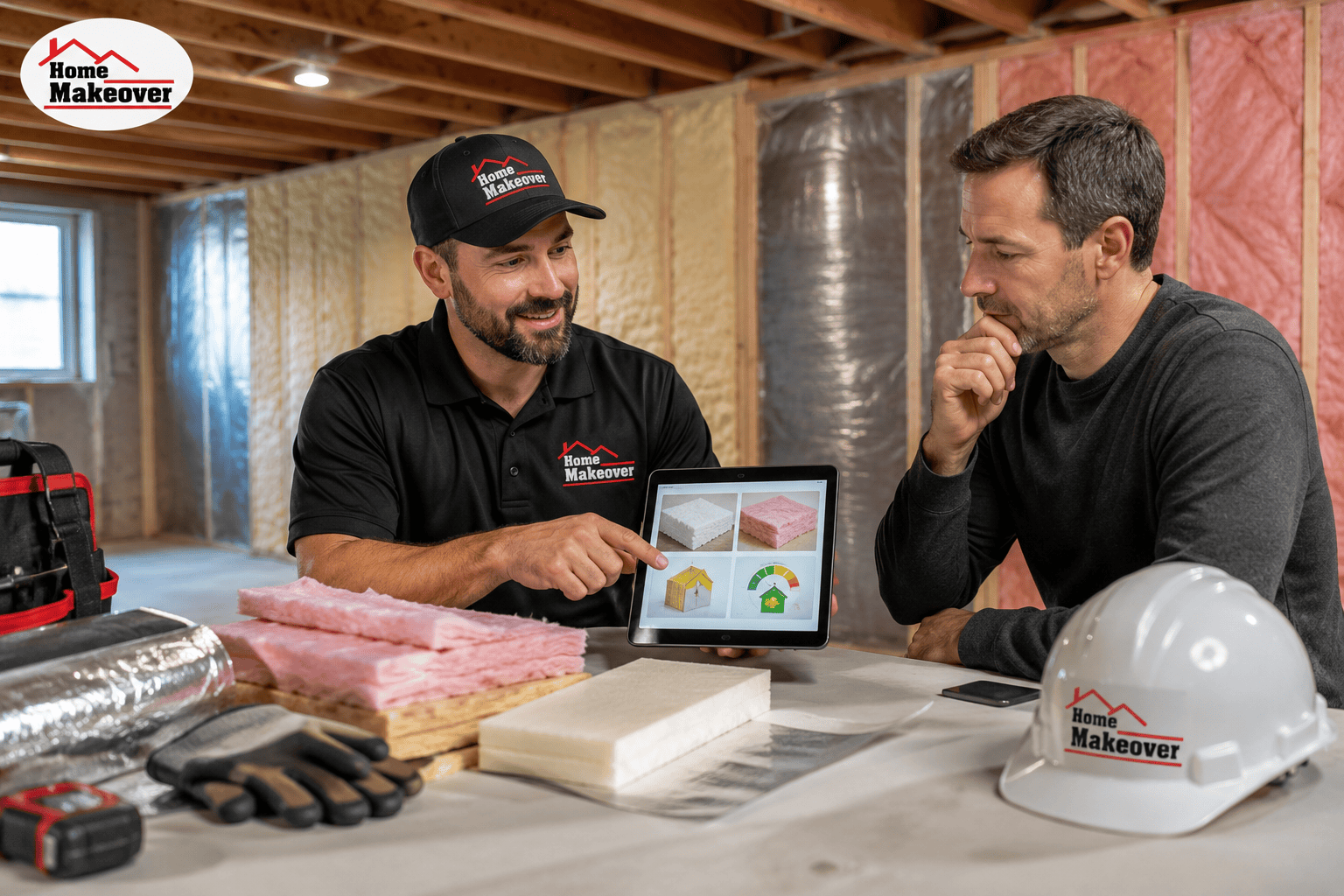
Hidden below ground level, basements tend to get overlooked during energy improvements. However, their condition strongly influences how warm a house feels, how well heat is retained, and whether dampness builds up inside. Understanding the basement insulation importance can help homeowners reduce energy costs, create healthier living spaces, and protect their property from long-term structural issues.
Most people consider insulation just once they start remodeling a basement or feel chilly floors in colder months. Yet the truth is, a home’s comfort level often depends on how well its lower level holds heat. Because warmth flows where it’s colder, missing insulation down below can quietly drain energy throughout the structure.
No matter if your basement holds boxes, hosts a workspace, plays host to movie nights, or might someday become extra living quarters, putting effort into solid insulation pays off in ways people tend to underestimate. Dive into this guide and insights unfold about insulation’s real role, picking materials that fit, along with key things worth thinking through ahead of starting work. Folks teaming up with Home Makeover frequently find that upgrading basement insulation quietly turns into one of those smart moves that lifts how the whole house runs.
Unlike above-ground walls, basement walls remain in constant contact with surrounding soil. Although the ground temperature stays relatively stable throughout the year, concrete walls still transfer heat efficiently. Without insulation, warm indoor air escapes while cooler temperatures migrate inside.
This ongoing heat transfer forces heating and cooling systems to work harder, increasing energy consumption and utility bills. Understanding the true basement insulation importance helps homeowners appreciate how one improvement can positively influence the entire home’s energy performance.
Insulated basements also help stabilize indoor temperatures, making upper floors more comfortable throughout changing seasons.
Improving basement energy efficiency is about much more than reducing monthly heating bills.
Proper insulation helps:
Many homeowners notice warmer floors on the main level shortly after insulating basement walls, particularly in colder climates where heat loss through foundation walls is significant.
Every property differs based on climate, construction methods, and local building regulations. Meeting basement insulation requirements involves more than simply adding insulation between framing.
Several important considerations include:
Concrete, block, and insulated concrete forms each require different insulation approaches to achieve optimal performance.
Water management should always be addressed before installing insulation. Existing leaks or dampness must be corrected to avoid trapping moisture behind finished walls.
Small gaps around pipes, windows, and framing connections should be sealed before insulation is installed. Air leaks significantly reduce insulation effectiveness.
Insulation values and vapor barrier requirements vary by region. Consulting professionals ensure compliance with applicable construction standards.
Choosing the best insulation for basement walls depends on several practical factors, including moisture exposure, available space, energy goals, and budget.
Common options include:
Rigid foam provides excellent thermal resistance while helping limit moisture movement through foundation walls. It remains one of the most widely recommended basement insulation products.
Spray foam combines insulation and air sealing in a single application. It works particularly well around irregular framing and hard-to-reach spaces.
Mineral wool offers sound absorption, fire resistance, and good moisture tolerance, making it suitable for many finished basement applications.
Fibreglass remains a budget-friendly solution when installed correctly alongside effective moisture management and air sealing practices.
Professional installers often recommend combining products to maximise energy efficiency while addressing unique construction conditions.
Not all materials perform equally under basement conditions.
When evaluating products, consider:
Selecting insulation based solely on purchase price can become expensive later if moisture problems develop or energy savings fail to meet expectations.
Experienced renovation specialists evaluate the entire basement system before recommending products rather than relying on a one-size-fits-all solution.
Effective moisture control should always accompany basement insulation projects. Even high-quality insulation performs poorly if persistent dampness exists behind finished walls. Moisture can contribute to mould growth, material deterioration, unpleasant odours, and indoor air quality concerns.
Simple preventive measures include:
Addressing moisture first creates a healthier environment while protecting insulation for many years.
Many insulation problems result from avoidable planning mistakes rather than poor products. Some of the most common issues include:
Covering damp walls without addressing leaks can trap moisture and cause hidden damage behind finished surfaces.
Even excellent insulation cannot compensate for uncontrolled air movement around pipes, windows, or framing joints.
Lower-priced insulation may require additional upgrades later if it cannot adequately manage moisture or provide sufficient thermal performance.
Every basement presents different challenges. A proper inspection helps identify structural concerns, ventilation issues, and insulation opportunities before construction begins.
Many homeowners don’t realize insulation performance has declined until comfort problems become noticeable. Watch for these common warning signs:
If several of these issues occur together, reviewing your insulation system is often worthwhile.
While insulation may not be as visually noticeable as a kitchen or bathroom renovation, it adds measurable value in several ways.
A well-insulated basement can:
Homeowners planning future renovations often include insulation as part of a broader home improvement strategy because it supports both comfort and long-term efficiency.
Simple insulation upgrades may suit experienced DIY homeowners, but complete basement projects often require professional planning. Professional basement insulation services help ensure:
Companies such as Home Makeover understand how insulation interacts with framing, ventilation, waterproofing, and finishing materials, reducing the likelihood of costly mistakes.
Before beginning any insulation work, consider these practical recommendations:
A little preparation can significantly improve the effectiveness and lifespan of your insulation.
Understanding the basement insulation importance helps homeowners make informed decisions that improve comfort, reduce energy costs, and protect their property for years to come. From choosing the right materials to improving energy efficiency and maintaining effective moisture control, every step contributes to a healthier and more efficient home.
Whether you’re finishing a basement or upgrading an older property, careful planning always delivers better long-term results. Many homeowners work with experienced renovation professionals like Home Makeover to assess existing conditions and recommend practical solutions tailored to their home’s construction. With thoughtful design and quality workmanship, we continue helping homeowners create warmer, healthier, and more energy-efficient living spaces. For projects requiring expert guidance, Home Makeover can provide valuable insight into selecting the right insulation approach for lasting performance.
Ready to improve your home’s comfort and efficiency? Speak with Home Makeover to explore insulation solutions tailored to your basement and long-term renovation goals.
In most homes, insulating basement walls delivers greater energy savings than insulating only the ceiling between floors.
Yes. Certain insulation products, especially mineral wool, also improve sound control between living spaces and outside environments.
When installed correctly and protected from moisture, many insulation systems can continue performing effectively for several decades.
Absolutely. Even unfinished basements influence overall home temperature, making insulation beneficial regardless of how the space is used.
The ideal time is during renovations or before finishing the basement, although upgrades can be completed successfully at any stage with proper planning.