Address
SELLERSBURG, IN 47172



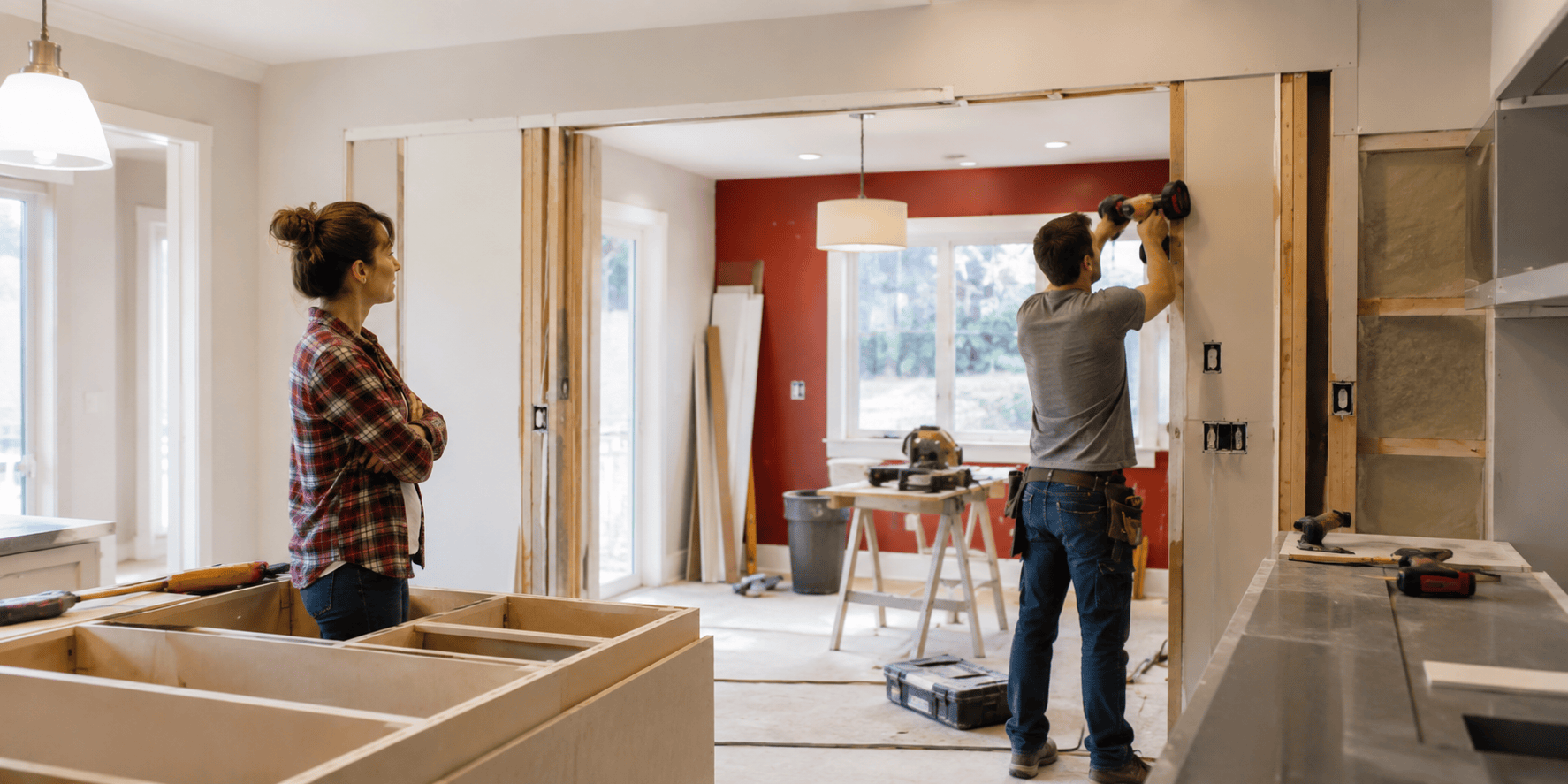
When homeowners begin researching residential home remodeling services in Indiana, one of the first questions they ask is, “How long will my project take?” Whether you’re updating a historic home, expanding your living space, or transforming an outdated property into a modern family home, understanding the remodeling timeline helps you prepare for each stage with confidence.
Many remodeling projects encounter delays not because of poor craftsmanship but because homeowners underestimate the planning, permitting, material lead times, and coordination involved. A successful remodel isn’t just about beautiful finishes—it’s about following a structured process that minimizes surprises and keeps expectations realistic.
Working with an experienced home remodeling contractor in Indiana gives homeowners a clearer roadmap from the first consultation to the final walkthrough. In this guide, we’ll explain each phase of the remodeling journey, share practical insights from real-world projects, highlight common mistakes, and provide expert tips that can help your renovation stay on schedule.
A remodeling timeline does more than estimate completion dates. It helps homeowners:
Every home is unique, and no two remodeling projects follow the same schedule. Factors such as project size, structural changes, permit approvals, weather, and product availability all influence the timeline.
For homeowners considering residential home remodeling services in Indiana, understanding each step creates confidence before construction even begins.
The consultation stage often determines whether a remodeling project becomes smooth or stressful.
Professional home remodeling contractors in Indiana typically begin by discussing:
This stage is about discovering what matters most to the homeowner—not simply selecting finishes.
Many homeowners initially request larger kitchens but later realize they actually need better storage and improved traffic flow. An experienced remodeling professional asks questions that uncover these priorities before designs begin.
Planning may include:
Taking extra time during planning often prevents weeks of delays later.
Once goals are established, the design process begins.
A realistic construction schedule includes multiple planning milestones before physical work starts.
These often include:
Depending on project complexity, this phase may take several weeks.
Custom cabinetry, specialty windows, imported tile, and premium fixtures often have long lead times. Ordering these items early helps keep the project moving once construction begins.

Understanding the major remodeling phases makes the overall process less overwhelming.
Instead of viewing the renovation as one massive project, think of it as several connected milestones.
Typical phases include:
Each stage builds on the previous one, making quality workmanship essential from start to finish.
Many homeowners assume demolition is the fastest part of remodeling.
While removing old materials may happen quickly, careful demolition protects structural components and utilities.
Professional demolition often includes:
During kitchen demolition, contractors occasionally discover outdated wiring or water damage hidden behind cabinets. Finding these issues early allows proper repairs before rebuilding begins.
Although unexpected discoveries may slightly extend timelines, addressing them immediately prevents larger problems later.
After demolition comes framing, when the home’s new layout begins to take shape.
This stage may involve:
Homeowners often find framing exciting because they can finally visualize the redesigned space.
Structural modifications require careful precision to ensure long-term durability and code compliance.
Before walls are closed, electricians, plumbers, and HVAC professionals complete their work.
This stage includes:
Following these installations, local inspections verify compliance with building codes.
Passing inspections confirms that hidden systems meet safety standards before insulation and drywall conceal them.
Although inspection scheduling can cause brief delays, these reviews protect homeowners and ensure quality construction.
The finishing stage transforms a construction site into a beautiful living space.
Typical finishing work includes:
This phase requires patience because many skilled trades work sequentially rather than simultaneously.
Attention to detail becomes increasingly important during finishing since even small imperfections become highly visible.
Before declaring the project complete, experienced contractors perform a comprehensive walkthrough.
This review includes:
Professional home renovation services in Louisville Metro and Southern Indiana focus on resolving small details before the homeowner moves back into the space.
Final documentation may include warranties, maintenance recommendations, and care instructions for new materials.
Even the best-planned projects sometimes experience delays.
Common timeline factors include:
Special-order products may require several weeks or months for delivery.
Municipal review timelines vary depending on project complexity.
Exterior remodeling often depends on seasonal weather.
Mid-project changes usually increase both costs and completion time.
Older homes sometimes reveal structural damage, outdated plumbing, or electrical issues once walls are opened.
Preparing for these possibilities helps reduce frustration when unexpected situations arise.
Selecting finishes after construction begins often delays ordering and installation.
The lowest bid doesn’t always represent the best long-term value.
Experienced professionals often identify problems before they become expensive repairs.
Most remodeling professionals recommend reserving approximately 10–20% of the project budget for unforeseen conditions.
Changing layouts after framing begins creates scheduling disruptions and additional costs.
Every property presents unique challenges.
Comparing your project to someone else’s renovation can create unrealistic expectations.
Professionals who have managed successful remodeling projects consistently recommend these strategies:
Weekly progress meetings help prevent misunderstandings.
Choosing flooring, fixtures, cabinetry, and paint before construction begins minimizes delays.
Some stages appear slow because inspections, curing times, or specialty installations require patience.
Dust, noise, limited room access, and schedule adjustments are normal during major renovations.
Hiring qualified home remodeling contractors in Indiana improves coordination among designers, subcontractors, inspectors, and suppliers.
A remodeling project represents one of the largest investments many homeowners will make.
An organized timeline helps:
When each phase receives proper attention, homeowners enjoy not only a more beautiful home but also fewer maintenance issues in the future.
A successful remodeling project isn’t measured solely by the finished appearance—it’s measured by how efficiently the journey unfolds from consultation to completion. Understanding the timeline behind residential home remodeling services in Indiana allows homeowners to make informed decisions, prepare for each stage, and avoid many of the common frustrations associated with renovation.
From careful planning and thoughtful design to demolition, framing, inspections, and finishing, every phase plays a critical role in delivering lasting results. Home Makeover Pro transforms houses into beautiful, functional living spaces with expert remodeling solutions, quality craftsmanship, and personalized service across Louisville Metro and Southern Indiana. Partnering with an experienced home remodeling contractor in Indiana ensures the process is guided by expertise, clear communication, and practical problem-solving. Whether you’re updating a single room or undertaking a whole-home transformation, a realistic schedule and a trusted team will help turn your vision into a home that serves your family for years to come.
The timeline depends on the project’s size and complexity. Smaller renovations may take several weeks, while whole-home remodels often require several months. Planning, permits, material availability, inspections, and weather can all influence the overall schedule. A detailed timeline provided before construction begins helps homeowners understand what to expect.
Planning reduces costly surprises during construction. It allows homeowners to finalize layouts, establish realistic budgets, select materials, identify structural concerns, and coordinate permits before work starts. Investing more time upfront often results in fewer delays and smoother project execution.
Older homes sometimes reveal water damage, outdated wiring, plumbing issues, or structural deterioration once walls or floors are opened. Addressing these problems immediately helps protect the home’s safety and prevents more expensive repairs later. While this may slightly extend the schedule, it ensures the finished remodel is built on a solid foundation.
The best way to avoid delays is to make design decisions and product selections early, communicate regularly with the project team, respond promptly to questions, and avoid making significant layout changes once construction has begun. Maintaining flexibility for unexpected conditions also contributes to a smoother experience.
Experienced home remodeling contractors in Indiana coordinate scheduling, permits, inspections, subcontractors, materials, and quality control throughout the project. Their expertise helps reduce communication gaps, minimize delays, maintain construction standards, and keep the remodeling process organized from consultation through completion.