

Tag Archives: basement energy efficiency

Why Basement Insulation Matters

A basement isn’t just for storing old items anymore! Today’s basements are transformed into family rooms, offices, gyms, entertainment spaces, and even extra bedrooms. Unfortunately, this vital part of our homes is typically ignored when planning basement insulation projects. Neglecting basement insulation leads to high heating bills, uncomfortable indoor temperatures, and moisture problems that impact the rest of your home. We’re here to change that with our comprehensive guide covering all things related to basement insulation.

Understanding the basement insulation importance is essential for homeowners who want a healthier, more energy-efficient property. Beyond keeping your basement warm during winters, proper insulation helps to regulate temperature throughout all seasons, cut down on energy waste, control moisture levels, and protect the structure of your entire house.

Whether you are completing the basement or enhancing your old property with more features, making sure that there’s good insulation involved will ensure long term comfort and savings for you and your family.

How Basement Insulation Affects Your Entire Home

Most homeowners assume that their homes lose heat via the roof or exterior walls. However, if you have an uninsulated basement, it may have a significant influence on how warm (or cool) the rest of the house gets. Basements tend to stay cooler than upper stories because they’re encircled by soil and concrete. If your basement lacks proper insulation, this cold air will likely permeate throughout the home, prompting your heating system to work overtime to keep things warm indoors.

Proper insulation helps by:

  • Reducing heat transfer
  • Creating more consistent indoor temperatures
  • Lowering heating and cooling costs
  • Improving indoor comfort
  • Supporting better basement energy efficiency

Homeowners often notice that upstairs rooms become easier to heat once basement insulation has been upgraded.

Choosing the Right Insulation Materials

Not every insulation product performs the same way. The ideal solution depends on your basement’s construction, climate, moisture levels, and intended use.

Fiberglass Insulation

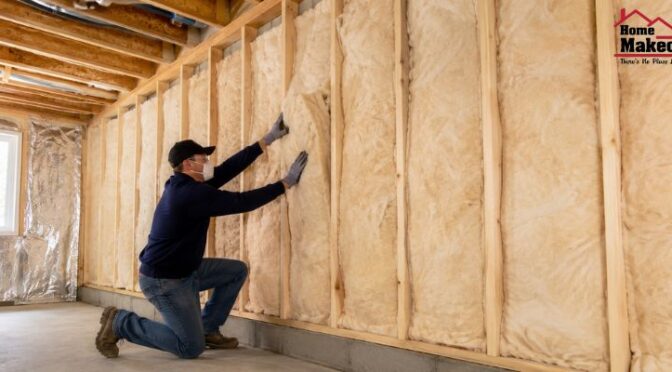
Fiberglass remains one of the most commonly used insulation materials due to its affordability and thermal performance.

Advantages include:

  • Cost-effective
  • Readily available
  • Good thermal resistance
  • Easy installation in framed walls

However, fiberglass performs best when moisture is carefully controlled.

Rigid Foam Board

Rigid foam insulation offers excellent thermal resistance and can help reduce moisture penetration. Rigid foam insulation is often installed against concrete foundation walls prior to installing the interior framing.

Benefits include:

  • Strong insulating value
  • Moisture resistance
  • Improved air sealing
  • Long-lasting performance

Spray Foam Insulation

Spray foam offers an insulation and air seal solution with just one application. Foam expansion fills in small gaps and cracks minimising unwanted air leakage while also improving energy performance.

Although the initial investment may be higher, many homeowners appreciate its long-term efficiency benefits.

Moisture Control Is Just as Important as Insulation

A common misconception when dealing with basement problems is that adding more insulation will take care of your problem. This isn’t true, especially if you’re working on moisture related problems. Basements tend to have high levels of humidity since they are underground. If you don’t manage this properly then moisture can build up behind your newly insulated walls leading to mold, mildew and structural damage.

Effective moisture management often includes:

  • Foundation inspections
  • Waterproofing where necessary
  • Vapour barriers
  • Proper drainage systems
  • Humidity management
  • Adequate ventilation

Addressing these issues before insulating helps ensure long-lasting results.

Professionals at Home Makeover frequently recommend evaluating moisture conditions before selecting insulation products, especially in older homes.

Improving Energy Savings Throughout Every Season

Although many homeowners only think about insulation when they are planning for winter months, good insulation keeps your house at stable temperatures all year round by limiting the amount of heat that can move around within your space in either direction.

This contributes to:

  • Lower heating costs during winter
  • Reduced cooling demands during summer
  • More consistent indoor temperatures
  • Less strain on HVAC equipment
  • Greater overall energy savings

In addition to keeping utility bills down, quality insulation will keep you from having to replace your system due to overuse, thus increasing the life span of your HVAC units.

Basement Comfort Makes Living Spaces More Enjoyable

A finished basement should feel like a natural extension of the rest of the home—not a cold, damp area that family members avoid. Proper insulation contributes significantly to basement comfort by creating a more stable indoor environment.

Homeowners often notice improvements such as:

  • Warmer floors
  • Reduced drafts
  • More comfortable seating areas
  • Better temperature consistency
  • Improved overall usability

Regardless of what kind of basement project you’ve embarked on (media room, guest suite, or even home office), proper insulation can greatly improve your overall comfort level!

Signs Your Basement May Need Better Insulation

There are several warning signs that indicate you’re experiencing problems with the effectiveness of your current insulation.

Watch for:

  • Cold basement walls
  • Chilly floors above the basement
  • High heating bills
  • Persistent damp smells
  • Uneven indoor temperatures
  • Condensation on basement walls
  • Drafts near foundation areas

Identifying these symptoms early on can help homeowners take steps towards addressing root causes rather than resorting to large-scale fixes down the line.

Why Professional Assessment Matters

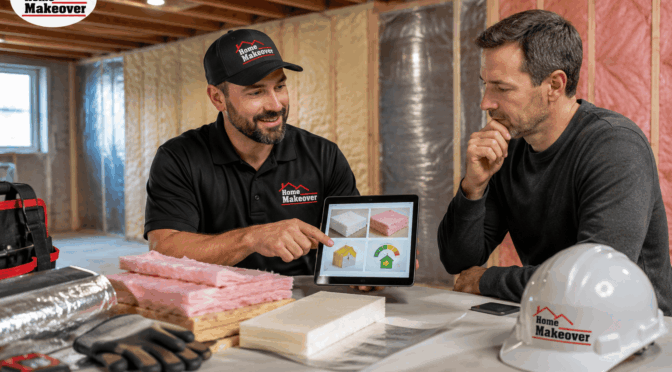
Every basement has unique structural characteristics – factors such as wall construction, local climate, degree of moisture exposure, and existing level of insulation will dictate which solutions would work best for you. Experienced professionals assess the whole basement system before making recommendations for enhancements.

At Home Makeover, insulation assessments often consider not only thermal performance but also moisture management, ventilation, and long-term durability to create solutions tailored to each property.

Choosing the Right Insulation Materials for Lasting Results

Choosing the correct material is key. Depending on the make-up of your home, how much moisture there is and where you live, different types of insulation will be better suited for certain jobs. That’s why a professional assessment is vital – they can help determine which form of insulation is going to work best.

Common insulation materials include:

  • Fiberglass batts for framed basement walls
  • Rigid foam boards with excellent moisture resistance
  • Spray foam for maximum air sealing and insulation performance
  • Mineral wool for improved fire resistance and sound control

Home Makeover evaluates wall conditions, humidity levels, and future renovation plans before recommending the most suitable insulation system. This ensures homeowners receive long-term performance rather than temporary improvements.

The Basement Insulation Process Explained

Knowing about what really goes during installations would help you to get prepared and have much better expectations.

Initial Inspection

Professionals will inspect foundation walls to determine if there are any current moisture problems as well as proper ventilation.

Moisture Control Measures

There shouldn’t be any leaks of water, condensation, or mould issues that need to be resolved before installing your insulation. It’s important for you to have proper moisture control that will protect both the insulation and your home’s structure.

Installing the Insulation

The chosen insulation is fitted carefully while sealing air leaks around windows, rim joists, utility penetrations, and other vulnerable areas.

Final Quality Check

Once installation is complete, the team verifies coverage, checks for gaps, and confirms that the basement is properly insulated according to local building requirements.

This systematic process is why experienced contractors consistently deliver better long-term performance.

Common Basement Insulation Mistakes to Avoid

Many homeowners try to tackle their own insulation project, but they end up reducing efficiency or creating moisture issues that will cost them dearly down the line. 

Some common mistakes include:

  • Installing insulation over damp walls
  • Choosing materials unsuitable for below-grade environments
  • Ignoring air leaks around utility openings
  • Blocking necessary ventilation
  • Compressing insulation during installation
  • Failing to seal rim joists

Professional insulation contractors know how various products interact with your home’s concrete, framing and varying temperatures, eliminating costly fixes later on.

Why Homeowners Trust Home Makeover

When considering basement insulation services, experience matters. At Home Makeover our team will help you find the best insulation solution for your house based on how it was built as well as its environment and intended usage.

Homeowners choose Home Makeover because of:

  • Thorough basement inspections
  • Honest recommendations without unnecessary upgrades
  • High-quality insulation materials
  • Skilled workmanship
  • Attention to moisture prevention
  • Compliance with local building standards
  • Clear communication throughout every project

Whether you want to finish a basement or just improve energy efficiency we can provide you with an insulation solution worth investing in!

Protect Your Home with Better Basement Insulation

A poorly insulated basement affects far more than one room—it influences the comfort, efficiency, and durability of your entire home. Investing in proper insulation helps reduce energy costs, minimise moisture risks, improve indoor comfort, and protect your property for years to come.

If you’re planning a renovation or want to improve your home’s performance, Home Makeover can assess your basement and recommend the most effective insulation solution for your property’s specific needs. Taking action today can result in lower energy bills, improved comfort, and greater peace of mind throughout every season.

FAQs

1. Why is basement insulation important in cold climates?

Basement insulation reduces heat loss through foundation walls, making the home warmer, lowering heating costs, and preventing cold floors throughout the house.

2. Which insulation material works best for basements?

Rigid foam boards and closed-cell spray foam are popular because they provide excellent thermal performance while resisting moisture. The best choice depends on your basement’s construction and condition.

3. Can basement insulation help prevent mould?

Yes. Proper insulation combined with effective moisture control reduces condensation, making mould growth much less likely.

4. How much energy can basement insulation save?

While results vary, many homeowners notice meaningful reductions in heating and cooling costs after professionally insulating basement walls and sealing air leaks.

5. Should insulation be installed before finishing a basement?

Absolutely. Installing insulation before drywall and flooring allows hidden issues like moisture or air leakage to be addressed first, creating a healthier and more energy-efficient finished space.

Why Basement Insulation Matters – Everything You Need To Know

Hidden below ground level, basements tend to get overlooked during energy improvements. However, their condition strongly influences how warm a house feels, how well heat is retained, and whether dampness builds up inside. Understanding the basement insulation importance can help homeowners reduce energy costs, create healthier living spaces, and protect their property from long-term structural issues.

Most people consider insulation just once they start remodeling a basement or feel chilly floors in colder months. Yet the truth is, a home’s comfort level often depends on how well its lower level holds heat. Because warmth flows where it’s colder, missing insulation down below can quietly drain energy throughout the structure.

No matter if your basement holds boxes, hosts a workspace, plays host to movie nights, or might someday become extra living quarters, putting effort into solid insulation pays off in ways people tend to underestimate. Dive into this guide and insights unfold about insulation’s real role, picking materials that fit, along with key things worth thinking through ahead of starting work. Folks teaming up with Home Makeover frequently find that upgrading basement insulation quietly turns into one of those smart moves that lifts how the whole house runs.

Why Your Basement Has a Bigger Impact Than You Think

Unlike above-ground walls, basement walls remain in constant contact with surrounding soil. Although the ground temperature stays relatively stable throughout the year, concrete walls still transfer heat efficiently. Without insulation, warm indoor air escapes while cooler temperatures migrate inside.

This ongoing heat transfer forces heating and cooling systems to work harder, increasing energy consumption and utility bills. Understanding the true basement insulation importance helps homeowners appreciate how one improvement can positively influence the entire home’s energy performance.

Insulated basements also help stabilize indoor temperatures, making upper floors more comfortable throughout changing seasons.

Basement Energy Efficiency Starts Below Ground

Improving basement energy efficiency is about much more than reducing monthly heating bills.

Proper insulation helps:

  • Maintain consistent indoor temperatures
  • Reduce heating and cooling demands
  • Improve HVAC system efficiency
  • Lower annual energy costs
  • Increase overall home comfort
  • Reduce unwanted drafts
  • Create more usable living space

Many homeowners notice warmer floors on the main level shortly after insulating basement walls, particularly in colder climates where heat loss through foundation walls is significant.

Understanding Basement Insulation Requirements

Every property differs based on climate, construction methods, and local building regulations. Meeting basement insulation requirements involves more than simply adding insulation between framing.

Several important considerations include:

Wall Construction

Concrete, block, and insulated concrete forms each require different insulation approaches to achieve optimal performance.

Moisture Protection

Water management should always be addressed before installing insulation. Existing leaks or dampness must be corrected to avoid trapping moisture behind finished walls.

Air Sealing

Small gaps around pipes, windows, and framing connections should be sealed before insulation is installed. Air leaks significantly reduce insulation effectiveness.

Local Building Codes

Insulation values and vapor barrier requirements vary by region. Consulting professionals ensure compliance with applicable construction standards.

Best Insulation for Basement Walls

Choosing the best insulation for basement walls depends on several practical factors, including moisture exposure, available space, energy goals, and budget.

Common options include:

Rigid Foam Board

Rigid foam provides excellent thermal resistance while helping limit moisture movement through foundation walls. It remains one of the most widely recommended basement insulation products.

Spray Foam

Spray foam combines insulation and air sealing in a single application. It works particularly well around irregular framing and hard-to-reach spaces.

Mineral Wool

Mineral wool offers sound absorption, fire resistance, and good moisture tolerance, making it suitable for many finished basement applications.

Fibreglass Batts

Fibreglass remains a budget-friendly solution when installed correctly alongside effective moisture management and air sealing practices.

Professional installers often recommend combining products to maximise energy efficiency while addressing unique construction conditions.

Choosing the Right Insulation Materials

Not all materials perform equally under basement conditions.

When evaluating products, consider:

  • Thermal performance (R-value)
  • Moisture resistance
  • Fire safety ratings
  • Air sealing capability
  • Installation complexity
  • Durability over time
  • Maintenance requirements

Selecting insulation based solely on purchase price can become expensive later if moisture problems develop or energy savings fail to meet expectations.

Experienced renovation specialists evaluate the entire basement system before recommending products rather than relying on a one-size-fits-all solution.

Moisture Control Is Just as Important as Insulation

Effective moisture control should always accompany basement insulation projects. Even high-quality insulation performs poorly if persistent dampness exists behind finished walls. Moisture can contribute to mould growth, material deterioration, unpleasant odours, and indoor air quality concerns.

Simple preventive measures include:

  • Repairing foundation cracks
  • Improving exterior drainage
  • Installing proper vapour barriers
  • Maintaining gutters and downpipes
  • Managing indoor humidity levels

Addressing moisture first creates a healthier environment while protecting insulation for many years.

Common Basement Insulation Mistakes Homeowners Make

Many insulation problems result from avoidable planning mistakes rather than poor products. Some of the most common issues include:

Installing Insulation Before Fixing Water Problems

Covering damp walls without addressing leaks can trap moisture and cause hidden damage behind finished surfaces.

Ignoring Air Leaks

Even excellent insulation cannot compensate for uncontrolled air movement around pipes, windows, or framing joints.

Choosing Materials Based Only on Cost

Lower-priced insulation may require additional upgrades later if it cannot adequately manage moisture or provide sufficient thermal performance.

Skipping Professional Assessment

Every basement presents different challenges. A proper inspection helps identify structural concerns, ventilation issues, and insulation opportunities before construction begins.

Practical Signs Your Basement May Need Better Insulation

Many homeowners don’t realize insulation performance has declined until comfort problems become noticeable. Watch for these common warning signs:

  • Cold floors during winter
  • Uneven temperatures between levels
  • Higher heating or cooling bills
  • Damp or musty smells
  • Condensation on basement walls
  • Rooms above the basement feeling chilly
  • Increased humidity throughout the home

If several of these issues occur together, reviewing your insulation system is often worthwhile.

Can Basement Insulation Increase Property Value?

While insulation may not be as visually noticeable as a kitchen or bathroom renovation, it adds measurable value in several ways.

A well-insulated basement can:

  • Improve overall energy performance
  • Create comfortable, usable living areas
  • Reduce long-term maintenance concerns
  • Enhance indoor air quality
  • Appeal to energy-conscious buyers

Homeowners planning future renovations often include insulation as part of a broader home improvement strategy because it supports both comfort and long-term efficiency.

Professional Basement Insulation Services vs DIY

Simple insulation upgrades may suit experienced DIY homeowners, but complete basement projects often require professional planning. Professional basement insulation services help ensure:

  • Proper moisture assessment
  • Correct insulation selection
  • Code-compliant installation
  • Effective air sealing
  • Long-lasting performance

Companies such as Home Makeover understand how insulation interacts with framing, ventilation, waterproofing, and finishing materials, reducing the likelihood of costly mistakes.

Expert Tips Before Starting Your Basement Project

Before beginning any insulation work, consider these practical recommendations:

  • Inspect for moisture before purchasing materials.
  • Seal cracks and air leaks first.
  • Select insulation suited to your local climate.
  • Don’t overlook rim joists, which are common sources of heat loss.
  • Plan future electrical and plumbing work before closing walls.
  • Follow local building regulations throughout installation.

A little preparation can significantly improve the effectiveness and lifespan of your insulation.

Building a Warmer, More Efficient Home

Understanding the basement insulation importance helps homeowners make informed decisions that improve comfort, reduce energy costs, and protect their property for years to come. From choosing the right materials to improving energy efficiency and maintaining effective moisture control, every step contributes to a healthier and more efficient home.

Whether you’re finishing a basement or upgrading an older property, careful planning always delivers better long-term results. Many homeowners work with experienced renovation professionals like Home Makeover to assess existing conditions and recommend practical solutions tailored to their home’s construction. With thoughtful design and quality workmanship, we continue helping homeowners create warmer, healthier, and more energy-efficient living spaces. For projects requiring expert guidance, Home Makeover can provide valuable insight into selecting the right insulation approach for lasting performance.

Take the Next Step Toward a Better-Insulated Home

Ready to improve your home’s comfort and efficiency? Speak with Home Makeover to explore insulation solutions tailored to your basement and long-term renovation goals.

FAQs

1. Should basement walls or the ceiling be insulated first?

In most homes, insulating basement walls delivers greater energy savings than insulating only the ceiling between floors.

2. Can basement insulation help reduce outside noise?

Yes. Certain insulation products, especially mineral wool, also improve sound control between living spaces and outside environments.

3. How long does quality basement insulation typically last?

When installed correctly and protected from moisture, many insulation systems can continue performing effectively for several decades.

4. Is basement insulation worthwhile if the space is only used for storage?

Absolutely. Even unfinished basements influence overall home temperature, making insulation beneficial regardless of how the space is used.

5. When is the best time to install basement insulation?

The ideal time is during renovations or before finishing the basement, although upgrades can be completed successfully at any stage with proper planning.